News

· Why do filter making machine prices vary so much?
· What are the main factors affecting machine cost?
· Why may a very low price increase long-term cost?
· What information should buyers provide for quotation?
· How should buyers evaluate a filter making machine quotation?
Filter making machine price can vary widely because “filter making machine” is not always one fixed machine. It may refer to a single pleating machine, a semi-automatic equipment combination, or a complete filter production line with feeding, pleating, gluing, cutting, forming, curing, and testing processes.
For buyers, the most important point is that the final price depends on configuration. A machine for simple filter media pleating is very different from a production line for HEPA filters, PU air filters, cabin filters, HVAC panel filters, or industrial filters. Before comparing prices, buyers should first understand what process they need and what performance level they expect.
A reliable quotation should be based on filter type, material, size range, pleat height, production capacity, automation level, and required machine configuration—not only a general machine name.
The price difference usually comes from the equipment scope. Some buyers only need one single machine to improve one process, such as pleating or cutting. Some buyers need several machines to form a practical production system. Other buyers need a complete filter production line with higher automation and quality control equipment.
A single machine handles one main production step, such as pleating, gluing, cutting, frame forming, or testing.
Suitable for buyers who already have part of the production process and only need to upgrade one section.
Several machines are combined to complete key steps such as feeding, pleating, gluing, cutting, and basic forming.
Suitable for buyers who need practical production capacity but still want to control investment.
A full line covers multiple connected processes and may include higher automation, curing, testing, and line integration.
Suitable for buyers with stable orders, higher output targets, and stricter quality requirements.
This is why two quotations may look very different even when both suppliers mention “filter making machine.” One quotation may only include a core machine, while another may include extra systems, customized fixtures, higher-grade components, installation support, or testing equipment.
A filter making machine price is mainly affected by technical configuration and production requirements. Buyers should pay attention to what is included in the quotation, not only the total number.
| Price Factor | Why It Affects Cost | Buyer Should Confirm |
|---|---|---|
| Working Width | A wider machine usually needs stronger structure, larger components, and more stable feeding control. | Maximum media width, filter size range, and whether future wider products are planned. |
| Production Speed | Higher speed often requires better control systems, stronger mechanical design, and more stable process coordination. | Realistic daily output target instead of only asking for maximum machine speed. |
| Automation Level | Automatic feeding, gluing, cutting, stacking, or testing will increase cost but may reduce labor and improve consistency. | Manual, semi-automatic, or automatic production requirement. |
| Brand Components | Motors, PLC, touch screen, pneumatic parts, electrical components, and glue systems can strongly influence price and reliability. | Core component brands, spare parts availability, and maintenance convenience. |
| Custom Requirements | Special filter sizes, materials, molds, fixtures, glue patterns, or layout requirements may need customized design. | Filter drawings, samples, production process, and special application requirements. |
| Testing Equipment | Testing systems for resistance, leakage, sealing, or performance control add cost but support product quality and customer acceptance. | Whether the finished filters need inspection data or specific testing standards. |
A lower quotation is not always a better deal, and a higher quotation is not automatically the right choice. Buyers should compare machine configuration, process suitability, component quality, production stability, and after-sales support together.
Low price is attractive, especially for new buyers. However, a very low machine price may sometimes mean hidden long-term costs. These costs may appear later in production accuracy, machine stability, spare parts, maintenance, training, or after-sales service.
If pleating, gluing, or cutting accuracy is unstable, the factory may face more waste, rework, and inconsistent finished filters.
Frequent machine adjustment, downtime, or unstable feeding can reduce real production capacity even if the purchase price is low.
Low-grade components may make maintenance harder and increase replacement frequency during long-term production.
If technical support, documentation, training, or spare parts are weak, the buyer may spend more time solving production problems later.
For filter manufacturers, the machine is not only a one-time purchase. It affects product quality, labor efficiency, delivery stability, and customer confidence. A more suitable machine configuration can often reduce long-term production pressure.
To receive a useful quotation, buyers should provide clear production information. The more accurate the information is, the easier it is for the supplier to recommend a proper machine configuration and avoid unsuitable equipment.
• Filter type: HEPA filter, HVAC filter, air filter, cabin filter, PU air filter, truck air filter, industrial filter, or other filter product.
• Filter size: Length, width, height, frame size, outer diameter, inner diameter, or other key dimensions.
• Filter material: Filter paper, nonwoven, PP media, fiberglass media, activated carbon media, composite material, or customer-specific media.
• Pleat height: Required pleat height range and pleat spacing requirements if available.
• Capacity target: Expected output per hour, per shift, or per day.
• Factory layout: Available workshop space, production direction, power condition, and whether machines need to connect with existing equipment.
• Budget range: Entry-level investment, practical semi-automatic solution, or higher automation production line plan.
| Information Provided | How It Helps the Quotation | Possible Result |
|---|---|---|
| Filter type and sample photo | Helps identify the required production process. | More accurate machine category and process recommendation. |
| Size range and pleat height | Helps confirm working width, adjustment range, and cutting requirements. | Avoids choosing a machine that is too small or unnecessarily oversized. |
| Material type | Affects feeding, pleating, gluing, cutting, and forming design. | Better machine configuration for actual production material. |
| Capacity target | Helps decide automation level and line configuration. | More realistic quotation for current and future production needs. |
| Budget range | Helps balance investment, function, and upgrade plan. | A practical solution instead of an over-configured or under-configured plan. |
When comparing quotations, buyers should not only compare the final price. A professional quotation should make the machine scope clear. Buyers should check whether the quotation includes the main machine, auxiliary devices, molds or fixtures, electrical components, glue system, testing equipment, installation support, training, and spare parts.
Check what machines and systems are included, not only the machine name.
Confirm whether the equipment matches your filter type, material, size range, and output target.
Consider stability, component quality, spare parts, technical support, and upgrade possibility.
A good filter making machine quotation should help buyers understand what they are paying for. If the quotation is too simple, buyers may need to ask for more details about configuration, technical parameters, included accessories, and service scope.
MOER Machinery provides filter making machine solutions for different production needs, including pleating, gluing, cutting, forming, curing, testing, and complete production line planning.
If you want to receive a more accurate quotation, you can share your filter type, filter size, material, pleat height, capacity target, factory layout, and budget range with us. Our team can help you review the required configuration and recommend a suitable machine solution.
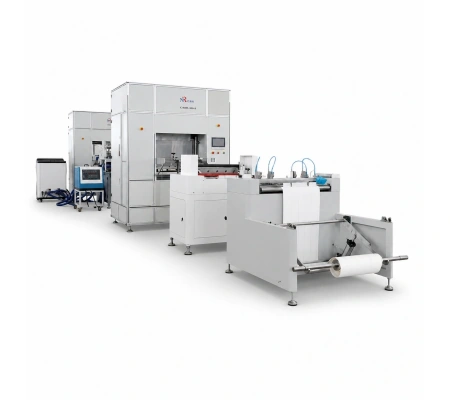
Pleating Height: 100–400 mm
Pleating Speed: 0–200 pleats/min
Max. Media Width: 700 mm
Max. Product Width: ≤650 mm
Production Capability: 25 m/min
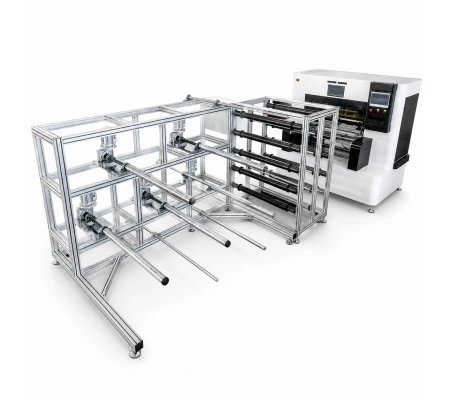
Working Width Range: 700–3000 mm
Pleating Height Range: 4–150 mm
Pleating Speed: Up to 400 pleats/min
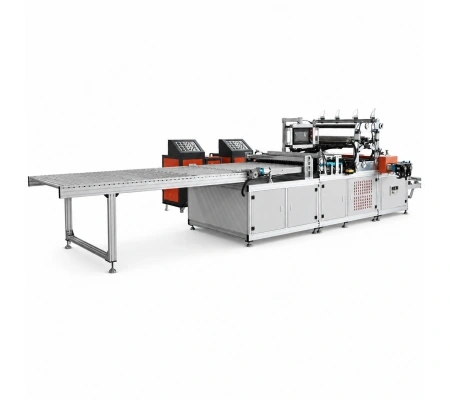
Max. Media Pleating Width: 1300 mm
Pleat Depth Range: 25–300 mm
Maximum Pleating Speed: 8–10 m/min
Hot Melt Nozzle Pitch: 25.4 mm
Online Slitting Cutters: 5 pcs
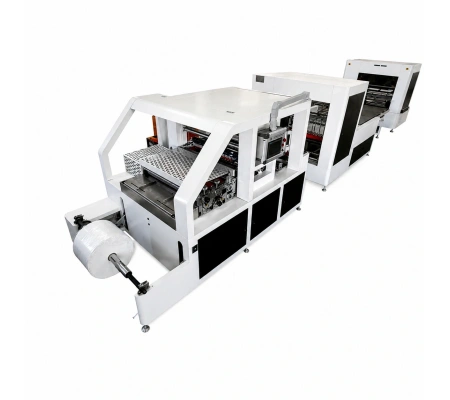
Max. Media Pleating Width: 700 mm
Pleat Depth Range: 16–100 mm
Maximum Pleating Speed: 8–10 m/min
Hot Melt Nozzle Pitch: 25.4 mm
Online Slitting Cutters: 5 pcs

Quick response within 24 hours

Expert advice tailored to your needs

End-to-end support for your success