News

A hydraulic filter element is the replaceable part inside a hydraulic filter housing that removes solid contaminants from hydraulic oil.
It helps keep hydraulic fluid clean and protects pumps, valves, cylinders, and other system components. A typical hydraulic filter element consists of pleated filter media, support layers, end caps, and sealing components. Its structure and materials depend on the equipment, oil flow, and operating conditions.
A hydraulic filter element captures solid particles as hydraulic oil passes through it. These particles may include dust, metal debris, and other contaminants that enter the hydraulic system during operation.
The filter element allows oil to flow through its filtration media while retaining unwanted particles. Depending on the filter design, oil may flow from the outside to the inside of the element or in the opposite direction.
By reducing contamination in the hydraulic oil, the filter element helps protect important components such as:
A hydraulic filter element combines filtration materials and supporting components into one assembly. Each part contributes to filtration, structural stability, or sealing.
| Component | Function |
|---|---|
| Filter Media | Captures solid particles from hydraulic oil. |
| Support Mesh | Supports the filter media and helps maintain its shape. |
| Center Tube | Provides internal support for cylindrical filter elements. |
| End Caps | Secure the filter media at both ends and help seal the element. |
| Adhesive | Connects filter materials and secures assembled components. |
| Sealing Rings | Help prevent unfiltered oil from bypassing the filter element. |
Not every hydraulic filter element uses exactly the same structure. Component selection depends on the element design, housing, and application requirements.
Hydraulic filter elements use different filtration and support materials depending on the required filtration performance and operating conditions.
The choice of material depends on hydraulic oil compatibility, filtration requirements, flow conditions, and the intended equipment application.
Hydraulic filter elements need a stable support structure to maintain their shape while oil flows through the media under changing operating conditions.
Without sufficient support, the filter media may deform, pleats may become compressed, and the element may not maintain its intended filtration area.
Several components help maintain structural stability:
The support structure must match the filter's design and operating requirements. Material selection, bonding quality, and assembly accuracy all contribute to the stability of the finished element.
Hydraulic filter elements are used in equipment that relies on hydraulic oil to transmit power and control mechanical movement.
Different applications require different filter element designs. The dimensions, media, support structure, and filtration rating should be selected according to the equipment requirements.
When choosing a hydraulic filter element, consider the following factors:
These factors help determine whether a filter element is suitable for a specific hydraulic system. The equipment manufacturer's specifications should be used as the main reference.
MOER Machinery provides filter making machines for manufacturers producing hydraulic filter elements and other industrial filtration products. Our equipment solutions cover different filter media processing, pleating, component assembly, and filter element production requirements.
Whether you are manufacturing glass fiber, synthetic media, or other hydraulic filter elements, selecting suitable production equipment is important for maintaining consistent product dimensions and assembly quality.
If you have questions about hydraulic filter element production or need equipment recommendations, contact MOER Machinery to discuss your manufacturing requirements.
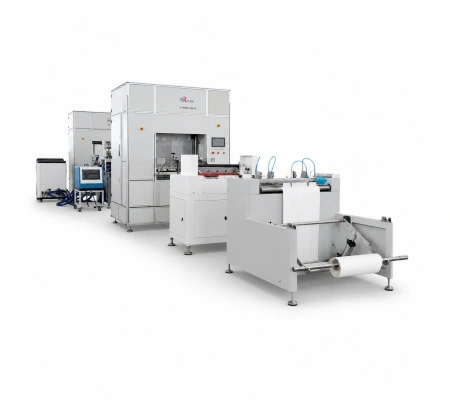
Pleating Height: 100–400 mm
Pleating Speed: 0–200 pleats/min
Max. Media Width: 700 mm
Max. Product Width: ≤650 mm
Production Capability: 25 m/min
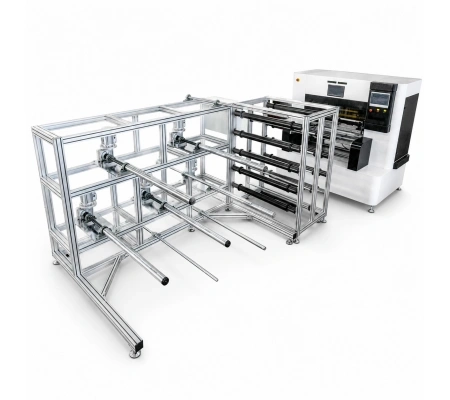
Working Width Range: 700–3000 mm
Pleating Height Range: 4–150 mm
Pleating Speed: Up to 400 pleats/min
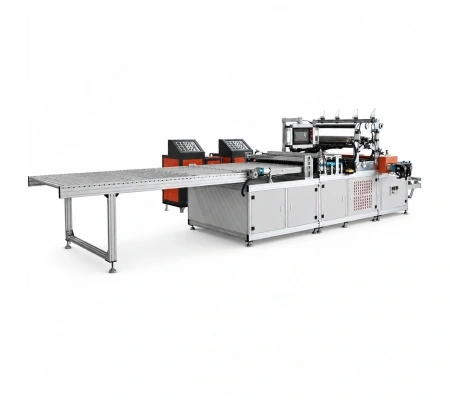
Max. Media Pleating Width: 1300 mm
Pleat Depth Range: 25–300 mm
Maximum Pleating Speed: 8–10 m/min
Hot Melt Nozzle Pitch: 25.4 mm
Online Slitting Cutters: 5 pcs
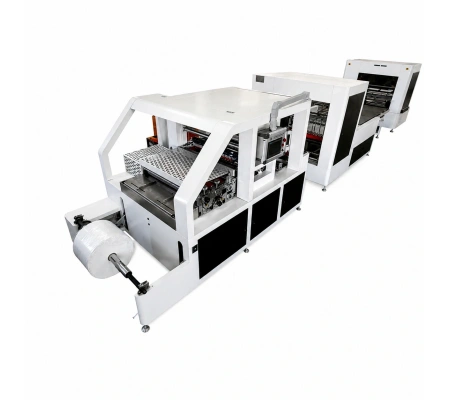
Max. Media Pleating Width: 700 mm
Pleat Depth Range: 16–100 mm
Maximum Pleating Speed: 8–10 m/min
Hot Melt Nozzle Pitch: 25.4 mm
Online Slitting Cutters: 5 pcs

Quick response within 24 hours

Expert advice tailored to your needs

End-to-end support for your success