News

An oil filter removes contaminants from engine oil, while a fuel filter cleans gasoline or diesel before it reaches the engine. Both protect engine components but serve different systems.
Although oil filters and fuel filters may have similar cylindrical shapes, they are designed for different fluids, filtration requirements, and operating conditions. Their filter media, internal components, housing structures, and manufacturing processes are not the same.
The main difference is the fluid they filter and the components they protect. An oil filter cleans lubricating oil, while a fuel filter removes contaminants from the fuel supply.
| Feature | Oil Filter | Fuel Filter |
|---|---|---|
| Filtered Fluid | Engine or lubricating oil | Gasoline or diesel |
| Main Contaminants | Metal particles, carbon deposits, soot, and sludge | Dirt, rust, dust, and water in applicable systems |
| Main Purpose | Maintain oil cleanliness and protect lubricated components | Keep contaminants out of the fuel supply system |
| Protected Components | Bearings, crankshaft, and other engine moving parts | Fuel pumps, injectors, and fuel delivery components |
| Filter Features | May include a bypass valve and anti-drainback valve | Some designs include water separation and drainage components |
| Common Designs | Spin-on and cartridge filters | Spin-on, cartridge, and fuel-water separator filters |
Both filters use specialized media to capture contaminants, but their materials and internal structures must match the fluid and operating requirements of the system.
An oil filter removes contaminants from circulating engine oil to protect moving parts from excessive wear.
During engine operation, oil can collect metal particles from normal component wear, soot from combustion, and other deposits. The oil filter captures these contaminants while allowing oil to continue circulating through the lubrication system.
Common oil filter applications include:
Depending on the design, an oil filter may include a bypass valve to maintain oil flow when the pressure difference across the filter media becomes too high. Some designs also use an anti-drainback valve to help retain oil inside the filter when the engine is stopped.
A fuel filter removes contaminants from gasoline or diesel before the fuel reaches sensitive components in the fuel delivery and injection systems.
Fuel can contain dirt, rust, dust, and other particles introduced during storage, transportation, or handling. Diesel fuel filtration systems may also include water separation to remove accumulated water.
Fuel filters help protect:
Some diesel fuel filters combine particle filtration with water separation. These designs may include a collection bowl and drain valve. Gasoline and diesel filters do not necessarily use the same media or internal components.
Oil and fuel have different physical and chemical properties, so their filters require application-specific materials, structures, and manufacturing controls.
Oil filter media must work with lubricating oil while maintaining suitable filtration and flow under changing temperatures and oil viscosity.
Fuel filter media must be compatible with the intended gasoline or diesel application. Diesel filtration designs may also require water-separating materials or additional filtration stages.
Oil filters and fuel filters use different housing and sealing designs according to their installation methods and operating conditions.
For example, a spin-on oil filter commonly uses a metal shell, threaded base plate, sealing gasket, and internal filter element. Some fuel filters use similar canister structures, while others include plastic housings, water collection bowls, or additional connections.
Oil filters may require bypass valves and anti-drainback valves, depending on the design. Fuel filters may require water separators, drain valves, or additional filtration stages, particularly in diesel applications.
These components affect the assembly process and must be installed in the correct positions.
Both filter types require quality inspection, but their testing procedures must reflect their intended applications.
Test methods and acceptance criteria depend on the filter design and its operating specifications.
No. Oil filters and fuel filters are designed for different fluids and operating requirements and must not be used as substitutes for each other.
Even if two filters have similar dimensions or external appearances, their filter media, sealing materials, internal valves, and pressure requirements may differ.
Each filter must be manufactured and selected according to its intended application. Using the wrong filter type can compromise filtration and the operation of the corresponding system.
MOER Machinery provides filter making machines for manufacturers producing oil filters, fuel filters, and other filtration products. Our equipment portfolio covers different production requirements, from filter media processing and element assembly to component installation and finished filter production.
For example, our spin-on oil filter making machines support the production of metal-cased oil filters, while our ECO filter making machines support cartridge-style oil and fuel filter element production.
If you have questions about filter manufacturing processes or need equipment recommendations for your products, contact MOER Machinery to discuss your production requirements.
Previous: NULL
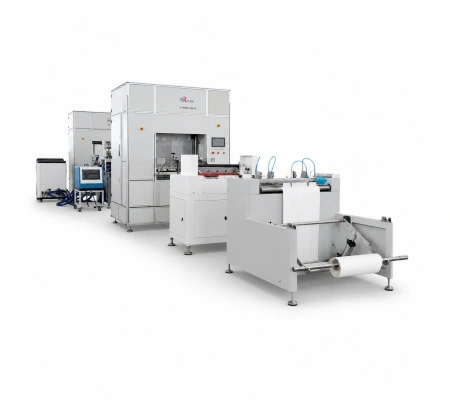
Pleating Height: 100–400 mm
Pleating Speed: 0–200 pleats/min
Max. Media Width: 700 mm
Max. Product Width: ≤650 mm
Production Capability: 25 m/min
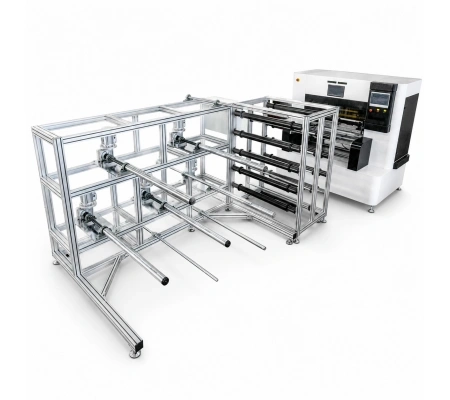
Working Width Range: 700–3000 mm
Pleating Height Range: 4–150 mm
Pleating Speed: Up to 400 pleats/min
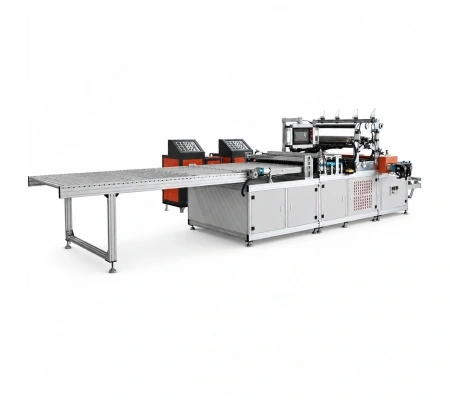
Max. Media Pleating Width: 1300 mm
Pleat Depth Range: 25–300 mm
Maximum Pleating Speed: 8–10 m/min
Hot Melt Nozzle Pitch: 25.4 mm
Online Slitting Cutters: 5 pcs
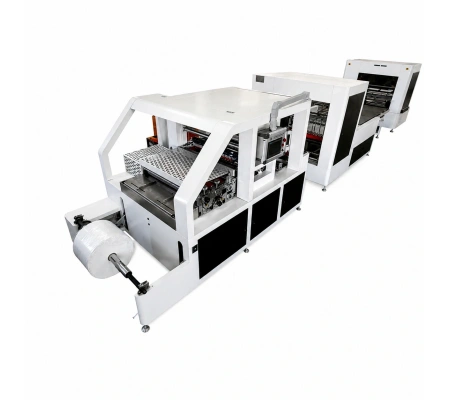
Max. Media Pleating Width: 700 mm
Pleat Depth Range: 16–100 mm
Maximum Pleating Speed: 8–10 m/min
Hot Melt Nozzle Pitch: 25.4 mm
Online Slitting Cutters: 5 pcs

Quick response within 24 hours

Expert advice tailored to your needs

End-to-end support for your success