
News

Automotive air filters are made by forming filter media into a sealed element that fits a vehicle's engine intake or cabin air system.
The manufacturing process varies depending on the filter type, materials, and vehicle application. Engine air filters, cabin air filters, heavy-duty truck filters, and reusable performance filters may have different structures, but all require suitable filtration media, stable construction, and accurate dimensions.
Automotive air filters use different materials depending on their filtration requirements, construction, and intended application.
The material combination depends on the filter design. Not every automotive air filter uses PU framing or the same type of filter media.
Filter media must be shaped into a structure that provides sufficient filtration area while fitting within the available installation space.
Many automotive air filters use pleated media to increase the filtration area without making the filter excessively large. The media is folded into evenly spaced pleats, with the height, depth, and spacing determined by the product design.
Consistent pleat spacing helps maintain an open airflow path and prevents the folds from collapsing or sticking together during operation.
After pleating, the media is cut and formed into the required shape. Depending on the application, the filter element may be rectangular, cylindrical, circular, or another customized profile.
The finished shape must match the intended filter housing and leave enough space for proper installation and sealing.
After the filter media is formed, its edges need to be secured to prevent unfiltered air from passing around the filter element.
For many PU-framed automotive panel filters, the pleated media is positioned in a mold, and liquid polyurethane is applied around its edges. The material then expands or sets and cures to form a stable frame and sealing surface.
Other filter designs may use rubber gaskets, plastic frames, metal end caps, or adhesive bonding, depending on their construction.
Proper bonding and sealing help keep the filter media in position and prevent air from bypassing the filtration material.
Automotive filters are designed for different air intake and cabin filtration systems. Their materials, shapes, and supporting structures vary according to their applications.
Engine air filters commonly use pleated cellulose or synthetic media. They are designed to capture dust and other particles before air enters the engine. Many passenger-car models use rectangular panel filters with plastic or PU frames.
Cabin air filters clean the air entering the vehicle interior. They commonly use nonwoven filter media, while some models include activated carbon layers. Their designs may be flat, pleated, or multi-layered to suit different cabin filter housings.
Truck air filters often have larger filter elements and may use cylindrical or cartridge-style structures. Depending on the application, they can include reinforced media, support cages, and end caps to maintain stability during operation.
Some performance filters use washable cotton gauze or other reusable media supported by metal mesh. Their construction focuses on maintaining the media structure while allowing repeated cleaning and maintenance according to the manufacturer's instructions.
Automotive air filters must fit their designated housings correctly. Incorrect dimensions can cause installation difficulties, poor sealing, or gaps that allow unfiltered air to bypass the filter media.
Several dimensions need to be controlled during production:
Accurate dimensions help ensure consistent installation, reliable sealing, and compatibility with the intended vehicle application.
Finished automotive air filters need to be inspected to confirm that their structure, dimensions, and assembly meet the required specifications.
Depending on the product requirements, additional tests may include airflow resistance, filtration efficiency, dust-holding capacity, and leakage checks. These tests help evaluate whether the finished filter meets its intended performance specifications.
MOER Machinery provides filter making machines for manufacturers producing different types of automotive filters. Whether you are planning to manufacture engine air filters, cabin filters, or other automotive filtration products, selecting equipment that matches your filter structure, materials, and production requirements is important.
If you have questions about automotive filter production or need equipment recommendations, contact our team to discuss your manufacturing requirements.
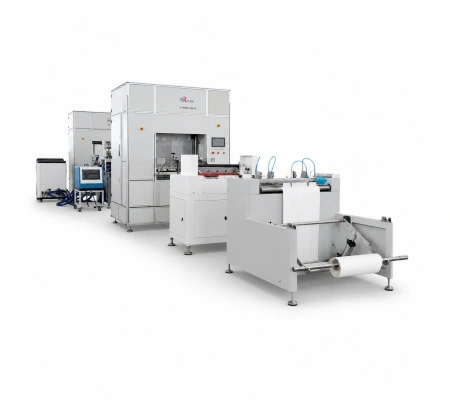
Pleating Height: 100–400 mm
Pleating Speed: 0–200 pleats/min
Max. Media Width: 700 mm
Max. Product Width: ≤650 mm
Production Capability: 25 m/min
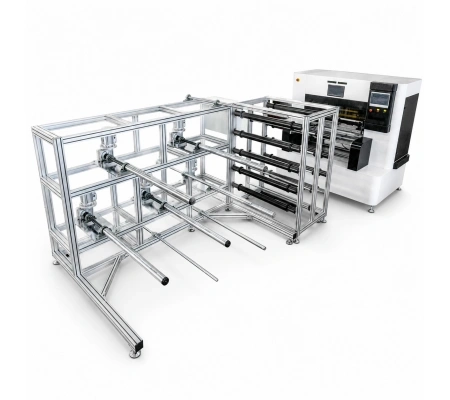
Working Width Range: 700–3000 mm
Pleating Height Range: 4–150 mm
Pleating Speed: Up to 400 pleats/min
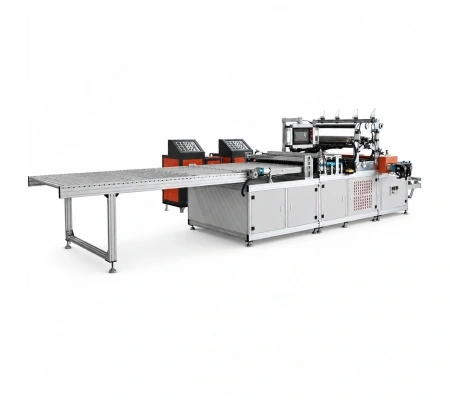
Max. Media Pleating Width: 1300 mm
Pleat Depth Range: 25–300 mm
Maximum Pleating Speed: 8–10 m/min
Hot Melt Nozzle Pitch: 25.4 mm
Online Slitting Cutters: 5 pcs
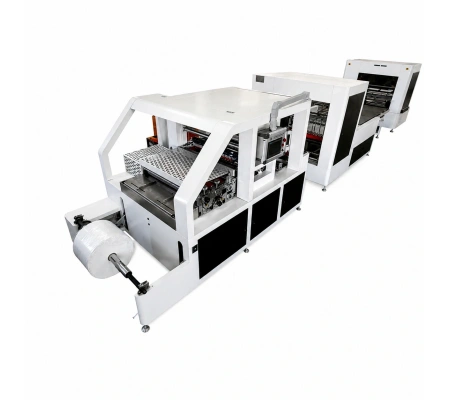
Max. Media Pleating Width: 700 mm
Pleat Depth Range: 16–100 mm
Maximum Pleating Speed: 8–10 m/min
Hot Melt Nozzle Pitch: 25.4 mm
Online Slitting Cutters: 5 pcs

Quick response within 24 hours

Expert advice tailored to your needs

End-to-end support for your success