News

A spin-on oil filter is a self-contained filter with a metal housing, filter media, and threaded base. It screws directly onto an engine or oil system to remove contaminants.
Unlike cartridge filters, a spin-on oil filter is replaced as a complete unit. Its cylindrical housing contains the filtration element, sealing components, and internal valves where required. This design is widely used in passenger cars, trucks, machinery, and industrial equipment.
A spin-on oil filter removes dirt, metal particles, and other contaminants from circulating oil. In a typical full-flow design, oil enters through openings in the base plate, passes through the filter media, and returns to the engine through the central outlet.
The filtration process involves three main steps:
Some filters include a bypass valve that allows oil to flow around the filter media when the pressure difference becomes too high. The exact oil flow path and valve arrangement depend on the filter design.
A spin-on oil filter combines several components into one replaceable assembly. Each part has a specific function.
| Component | Function |
|---|---|
| Metal Shell | Encloses and protects the internal filter components. |
| Filter Media | Captures particles and contaminants from circulating oil. |
| Center Tube | Supports the filter media and provides a path for filtered oil. |
| End Caps | Secure the pleated filter element and help direct oil through the media. |
| Threaded Base Plate | Connects the filter to its mounting point and provides oil inlet and outlet passages. |
| Sealing Gasket | Creates a seal between the filter and its mounting surface. |
| Bypass Valve | Allows oil to bypass the filter media when the pressure difference reaches the specified level. |
| Anti-Drainback Valve | Helps prevent oil from draining out of the filter when the engine is stopped. |
Not every spin-on oil filter contains the same valve components. Their presence, position, and specifications depend on the engine or hydraulic system requirements.
Spin-on oil filter production involves preparing the filter element, processing the metal components, assembling the internal parts, and sealing the housing.
Filter paper or synthetic media is pleated to increase the filtration area within the cylindrical housing. The pleated material is then cut to the required size.
The pleated media is formed into a cylindrical element around a supporting center tube. End caps are attached using suitable bonding materials to secure the filter media and seal its ends.
The metal shell is formed to the required dimensions. The base plate is processed with mounting threads and oil passages according to the filter design.
The completed filter element is placed inside the housing along with the required springs, bypass valve, and anti-drainback valve components. The assembly sequence varies depending on the product structure.
The housing and base assembly are joined using a suitable seaming process. The sealing gasket is installed in its designated position.
The assembled filter is then prepared for inspection, testing, marking, and packaging.
Leak testing verifies that the assembled spin-on oil filter can maintain the required seal under specified test conditions. It is an important quality control step before finished filters are packaged.
Testing focuses on several areas:
Depending on production requirements, manufacturers may use air-pressure testing, bubble testing, or other approved methods. Test pressure and acceptance criteria should follow the filter's design specifications.
Leak testing is only one part of quality control. Other inspections may include thread accuracy, dimensional measurements, component positioning, valve function, and filtration performance.
Both filter types remove contaminants from oil, but they differ in construction and replacement method.
| Feature | Spin-On Oil Filter | Cartridge Oil Filter |
|---|---|---|
| Construction | Complete filter unit with an integrated housing | Replaceable filter element installed in a separate housing |
| Installation | Screws onto a threaded mounting point | Fits inside a reusable filter housing |
| Replacement | Entire filter assembly is replaced | Filter element and specified seals are replaced |
| Housing | Usually a disposable metal shell | Generally retained on the engine or equipment |
Neither design is suitable for every application. The correct filter type is determined by the equipment's lubrication system and manufacturer specifications.
Spin-on oil filters are commonly used in engine lubrication and selected hydraulic oil filtration systems.
Filter dimensions, thread size, gasket design, filtration characteristics, and valve specifications must match the intended application. Similar-looking filters are not necessarily interchangeable.
MOER Machinery supplies spin-on oil filter making machines for filter manufacturers. Our equipment covers filter media pleating, center tube forming, end cap bonding, metal component processing, valve assembly, housing seaming, and related production operations.
If you have questions about spin-on oil filter production or need equipment for specific filter designs, contact MOER Machinery to discuss your manufacturing requirements.
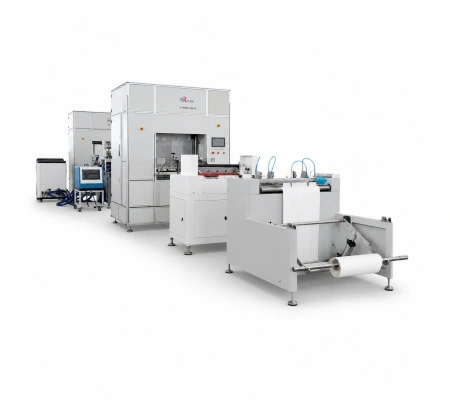
Pleating Height: 100–400 mm
Pleating Speed: 0–200 pleats/min
Max. Media Width: 700 mm
Max. Product Width: ≤650 mm
Production Capability: 25 m/min
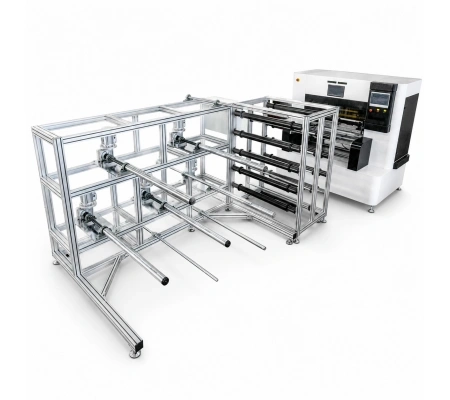
Working Width Range: 700–3000 mm
Pleating Height Range: 4–150 mm
Pleating Speed: Up to 400 pleats/min
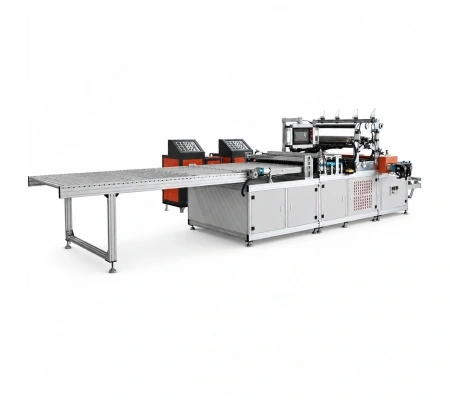
Max. Media Pleating Width: 1300 mm
Pleat Depth Range: 25–300 mm
Maximum Pleating Speed: 8–10 m/min
Hot Melt Nozzle Pitch: 25.4 mm
Online Slitting Cutters: 5 pcs
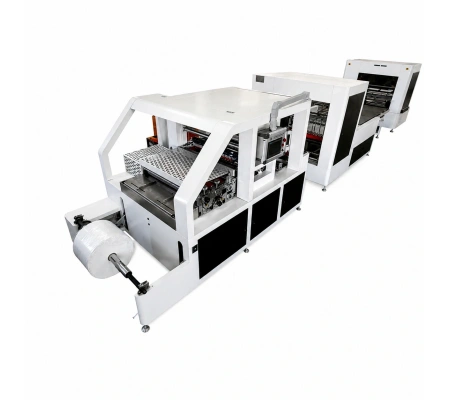
Max. Media Pleating Width: 700 mm
Pleat Depth Range: 16–100 mm
Maximum Pleating Speed: 8–10 m/min
Hot Melt Nozzle Pitch: 25.4 mm
Online Slitting Cutters: 5 pcs

Quick response within 24 hours

Expert advice tailored to your needs

End-to-end support for your success