
News

A PU air filter uses polyurethane (PU) to form a molded frame or sealing edge around filter media, helping the filter fit securely in its housing.
PU-framed air filters are commonly used in passenger cars, trucks, and other engine intake systems. A typical filter consists of pleated filtration media, a molded polyurethane frame, and supporting materials when required. The filter media captures dust, while the PU frame supports the element and helps seal it against the housing.
A typical PU-framed air filter contains three main components:
PU-framed filters should not be confused with filters made entirely from porous PU foam. PU foam filters use the foam itself as filtration media, while PU-framed filters generally use paper or synthetic media for filtration.
Polyurethane is used because it can be molded into different shapes and provide a flexible sealing edge around the filter media.
These benefits depend on the PU formulation, frame design, and manufacturing quality. PU is not suitable for every air filter application, especially where different temperature, chemical resistance, or structural requirements apply.
PU air filter production combines filter media forming with polyurethane molding. The main steps are:
The exact process depends on the filter shape and PU material. Some designs also require additional bonding or reinforcement to stabilize the pleated media.
The main difference is the material and method used to support and seal the filter media.
| Feature | PU Air Filter | Paper Frame Air Filter |
|---|---|---|
| Frame material | Molded polyurethane | Paperboard or cardboard |
| Frame construction | PU dispensing, molding, and curing | Frame cutting, folding, and bonding |
| Sealing method | Molded PU sealing edge | Frame fit and adhesive or separate sealing materials |
| Typical applications | Automotive engine intake filters and other molded-frame designs | Cabin filters, HVAC filters, and selected panel filter designs |
PU frames are useful when a molded sealing profile is required. Paper frames offer a different construction method and may be suitable for applications that do not need molded PU edges.
Neither frame type is automatically better for every application. The choice depends on the filter housing, sealing requirements, operating conditions, and product design.
PU-framed air filters are used in several vehicle and equipment categories:
PU-framed filters are available in different shapes and sizes. The correct design depends on the equipment's filter housing and operating requirements.
When selecting a PU air filter, check the following:
A correctly sized filter with properly bonded media and sealing edges is essential for reliable installation. Appearance alone is not enough to confirm compatibility.
MOER Machinery provides filter making machines for PU-framed automotive air filters and other filtration products. Our equipment solutions cover processes such as filter media pleating, PU dispensing, molding, curing, and related production operations.
If you have questions about PU air filter manufacturing or need equipment suitable for your filter designs, contact MOER Machinery to discuss your production requirements.
Previous: What Is a Spin-On Oil Filter?
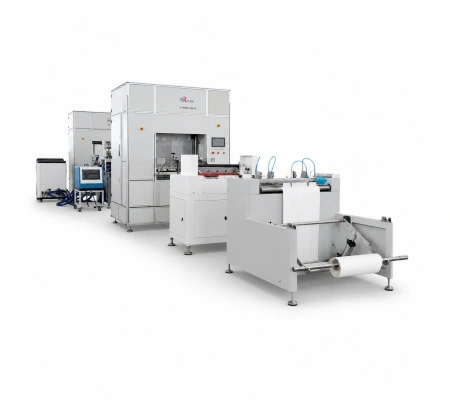
Pleating Height: 100–400 mm
Pleating Speed: 0–200 pleats/min
Max. Media Width: 700 mm
Max. Product Width: ≤650 mm
Production Capability: 25 m/min
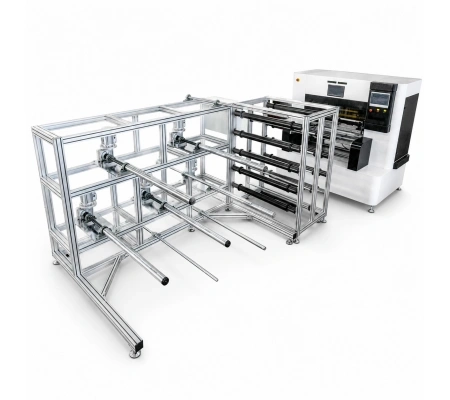
Working Width Range: 700–3000 mm
Pleating Height Range: 4–150 mm
Pleating Speed: Up to 400 pleats/min
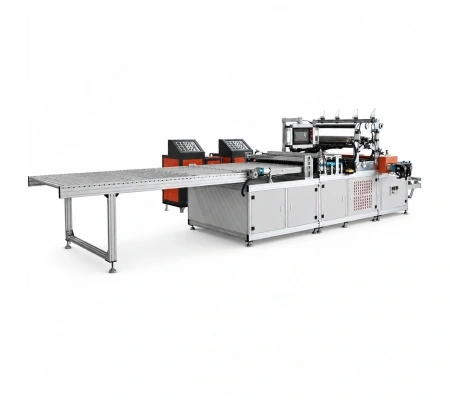
Max. Media Pleating Width: 1300 mm
Pleat Depth Range: 25–300 mm
Maximum Pleating Speed: 8–10 m/min
Hot Melt Nozzle Pitch: 25.4 mm
Online Slitting Cutters: 5 pcs
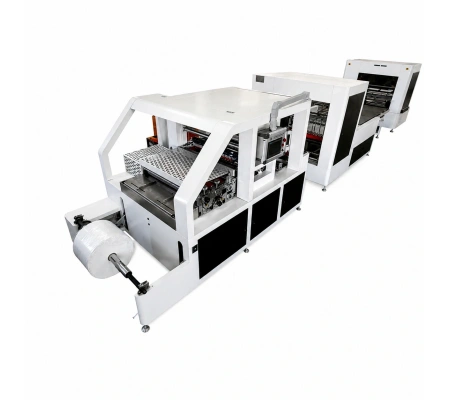
Max. Media Pleating Width: 700 mm
Pleat Depth Range: 16–100 mm
Maximum Pleating Speed: 8–10 m/min
Hot Melt Nozzle Pitch: 25.4 mm
Online Slitting Cutters: 5 pcs

Quick response within 24 hours

Expert advice tailored to your needs

End-to-end support for your success