
News

Questions Covered in This Guide
A mini pleat HEPA filter uses closely spaced pleated media and glue lines or separators to create large filtration area in a compact frame.
The “mini pleat” structure means the filter media is folded into many narrow pleats. Hot melt glue lines, separators, or spacing structures keep the pleats open, so air can pass through the media instead of being blocked by collapsed folds.
Note on HEPA efficiency
A HEPA filter is generally understood as a high-efficiency particulate air filter. The U.S. EPA describes HEPA as a pleated mechanical filter capable of theoretically removing at least 99.97% of particles at 0.3 microns. This should not be confused with MERV, ISO, or other filter classification systems.
A mini pleat HEPA filter is usually built from pleated media, spacing support, a frame, sealant, and optional protection parts. The exact structure depends on the filter size, airflow requirement, and installation environment.
| Part | Function | Why It Matters |
|---|---|---|
| Pleated Filter Media | Captures airborne particles as air passes through. | Media grade and pleat stability affect the filter’s final performance. |
| Hot Melt Glue Lines or Separators | Keep pleats evenly spaced and prevent collapse. | Spacing affects airflow channels and usable media area. |
| Frame | Holds the filter pack in shape. | Frame size and material must match the installation space. |
| Sealant | Seals the media pack to the frame. | Poor sealing can allow air to bypass the filter media. |
| Protective Mesh or Gasket | Protects the media or improves installation sealing. | Used when the application needs extra support or a tighter fit. |
Air enters the filter surface, passes through the closely pleated media, particles are captured by the media, and filtered air exits through the system side.
The mini pleat structure supports compact media arrangement, but actual performance still depends on media grade, filter depth, pressure drop, sealing, airflow, and installation condition.
Mini pleat HEPA filters are commonly used in cleanrooms, hospitals, laboratories, air purifiers, air handling systems, and production environments where fine particle control and compact filter installation are required.
Cleanrooms
Used in semiconductor, electronics, pharmaceutical, and precision production areas where controlled air cleanliness is required.
Hospitals and Laboratories
Used in operating rooms, lab ventilation, biosafety-related air handling, and controlled medical environments.
Air Purifiers
Used in residential, commercial, and industrial air purifier modules where compact filter size is important.
Air Handling Systems
Used in air handling units, terminal filtration sections, ceiling filter modules, and final air filtration areas.
Controlled Production Environments
Used in optical, coating, food-related, and precision manufacturing areas where airborne particles may affect product quality.
The application does not decide the filter alone. The filter still needs to match the system airflow, installation frame, pressure drop limit, sealing method, and required efficiency level.
Mini pleat HEPA filters and separator HEPA filters are both high-efficiency air filter structures, but they support the pleated media in different ways.
| Comparison Point | Mini Pleat HEPA Filter | Separator HEPA Filter |
|---|---|---|
| Pleat Support | Usually uses hot melt glue lines or spacing structures to keep pleats open. | Uses aluminum foil, paper, or other separators between pleats. |
| Filter Depth | Often designed for compact frame depth and limited installation space. | Often has a deeper structure depending on airflow and application needs. |
| Typical Use | Air purifiers, cleanroom modules, final filtration sections, compact installations. | Some industrial, high-airflow, or special air handling applications. |
| Selection Logic | Suitable when compact size, media area, and lower frame depth are important. | Suitable when the system is designed for separator-type construction and deeper filter packs. |
One structure is not automatically better than the other. The choice depends on airflow, pressure drop, filter size, installation space, frame design, sealing method, and the standard required by the application.
Important mini pleat HEPA filter specifications include filter size, airflow requirement, pressure drop, efficiency grade, frame material, sealing method, and installation environment.
| Specification | Why It Matters |
|---|---|
| Filter Size | The filter must fit the air purifier, air handling unit, cleanroom module, or installation frame. |
| Airflow Requirement | The filter should match the system airflow instead of blocking or overloading the system. |
| Pressure Drop | Pressure drop affects airflow resistance and system operation. |
| Efficiency Grade | The selected grade should match the required filtration standard and application. |
| Frame Material | The frame should match the working environment, installation method, and structural needs. |
| Sealing Method | Sealant and gasket design help reduce air bypass around the media pack. |
| Installation Environment | Cleanrooms, air handling systems, air purifiers, and laboratories may have different airflow, sealing, and replacement requirements. |
In simple terms, a mini pleat HEPA filter uses closely spaced pleated media and spacing support to provide high media area in a compact filter structure.
A mini pleat HEPA filter uses closely spaced pleats and is designed for high-efficiency air filtration. A standard pleated filter may use wider pleats and may not meet HEPA-level requirements.
Glue lines help keep the pleats evenly spaced, support airflow channels, and prevent the pleats from collapsing against each other.
Not always. The filter must match the system size, airflow, pressure drop, sealing design, and required filtration level.
Main factors include media grade, pleat spacing, filter depth, frame structure, sealant quality, gasket design, airflow, and installation condition.
If there are still questions about mini pleat HEPA filters, pleated media structure, or filter production processes, MOER Machinery can provide further technical explanation based on specific filter products and production requirements.
MOER Machinery focuses on filter making machine solutions for HEPA filters, cabin filters, PU air filters, truck air filters, spin-on oil filters, hydraulic filters, high flow filter cartridges, pocket filters, air filters, and other industrial filter products.
Contact Us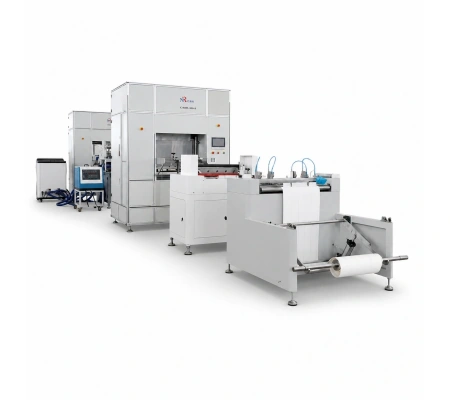
Pleating Height: 100–400 mm
Pleating Speed: 0–200 pleats/min
Max. Media Width: 700 mm
Max. Product Width: ≤650 mm
Production Capability: 25 m/min
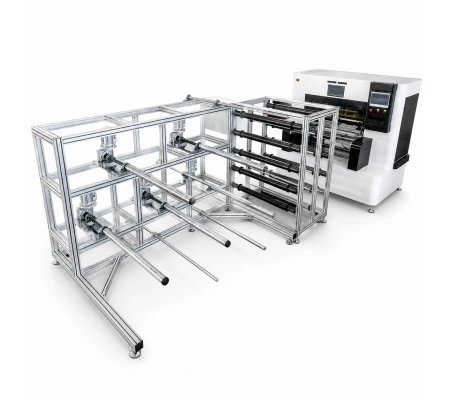
Working Width Range: 700–3000 mm
Pleating Height Range: 4–150 mm
Pleating Speed: Up to 400 pleats/min
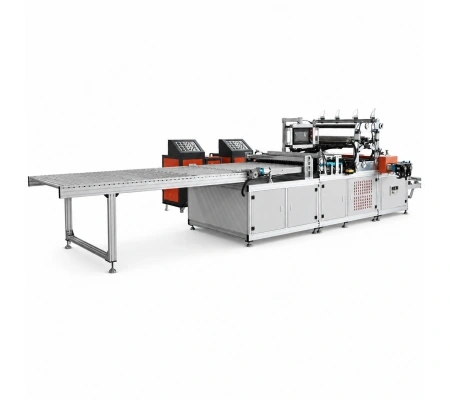
Max. Media Pleating Width: 1300 mm
Pleat Depth Range: 25–300 mm
Maximum Pleating Speed: 8–10 m/min
Hot Melt Nozzle Pitch: 25.4 mm
Online Slitting Cutters: 5 pcs
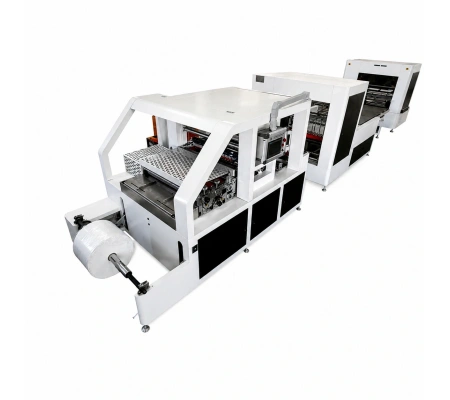
Max. Media Pleating Width: 700 mm
Pleat Depth Range: 16–100 mm
Maximum Pleating Speed: 8–10 m/min
Hot Melt Nozzle Pitch: 25.4 mm
Online Slitting Cutters: 5 pcs

Quick response within 24 hours

Expert advice tailored to your needs

End-to-end support for your success