News

Quick Navigation
A reverse osmosis filter uses pressure and a semi-permeable membrane to separate water from many dissolved substances, particles, and unwanted impurities.
In daily use, reverse osmosis filter or RO filter can mean two things. It may refer to the RO membrane itself, or it may refer to the filter cartridges used in a complete reverse osmosis water filtration system.
This distinction is important. The RO membrane is the core separation part, but it usually works together with sediment filters, carbon filters, and post filters. These filters protect the membrane, improve water flow, and support the whole system’s filtration performance.
A reverse osmosis system is usually a staged filtration system. Each filter element has a different job before or after the RO membrane.
Sediment Filter → Carbon Filter → RO Membrane → Post Carbon Filter
Pre-filtration protects the membrane. The RO membrane performs fine separation. The post filter helps polish the final water path.
Because of this structure, an RO filter article should not only talk about the membrane. Sediment filters, carbon filters, water filter cartridges, end caps, sealing, and cartridge assembly are also part of the real filtration system.
| RO Filter Element | Main Function | Common Structure |
|---|---|---|
| Sediment Filter | Captures sand, rust, suspended particles, and larger impurities before they reach later filters. | PP melt-blown cartridge, pleated cartridge, or other particle filtration structure. |
| Carbon Filter | Helps reduce certain odors, chlorine, and organic substances depending on media and system design. | Activated carbon cartridge, carbon block, or granular activated carbon filter. |
| RO Membrane | Performs fine separation through a semi-permeable membrane under pressure. | Reverse osmosis membrane element with internal flow channels. |
| Post Carbon Filter | Polishes the final water path and helps improve taste or odor after membrane filtration. | Inline carbon cartridge or small activated carbon filter element. |
Pre-filters are important because the RO membrane is sensitive to particles, chlorine exposure, and unstable water conditions. A sediment filter removes larger particles first, while a carbon filter helps reduce substances that may affect the membrane.
Protect the RO Membrane
Particles and certain chemicals can affect membrane performance, so pre-filtration helps reduce direct load on the membrane.
Keep Flow More Stable
Cleaner pre-treated water helps the RO system maintain a more stable flow path through the membrane element.
Support Longer System Use
Good pre-filtration can reduce clogging risk and help the whole filter cartridge system work more consistently.
This is also why RO-related filter production is not only about membrane elements. Sediment cartridges, carbon cartridges, sealing parts, and assembled filter housings all affect the final system.
RO filter cartridge manufacturing should focus on stable size, clean sealing, reliable end-cap bonding, consistent media structure, and smooth water flow paths.
Key Manufacturing Points
For water filter cartridge production, the process may involve media cutting, cartridge forming, carbon filter assembly, end-cap bonding, sealing, trimming, and inspection. The exact process depends on the cartridge type and system design.
Not always. RO filter can refer to the RO membrane, but it is also commonly used to describe the filter elements in a reverse osmosis system.
A sediment filter captures sand, rust, and larger particles before they reach the carbon filter or RO membrane.
A carbon filter helps reduce certain odors, chlorine, and organic substances depending on the media and system design.
Important points include cartridge size, media stability, end-cap bonding, sealing condition, internal flow path, and final inspection.
If there are still questions about reverse osmosis filters, RO filter cartridges, carbon filters, sediment filters, sealing, end-cap bonding, or water filter production requirements, MOER Machinery can provide further technical explanation based on specific filter products and production conditions.
MOER Machinery focuses on filter making machine solutions for water filter cartridges, RO-related filter elements, carbon filters, air filters, cabin filters, PU air filters, truck air filters, HEPA filters, pocket filters, hydraulic filters, and other industrial filter products.
Contact Us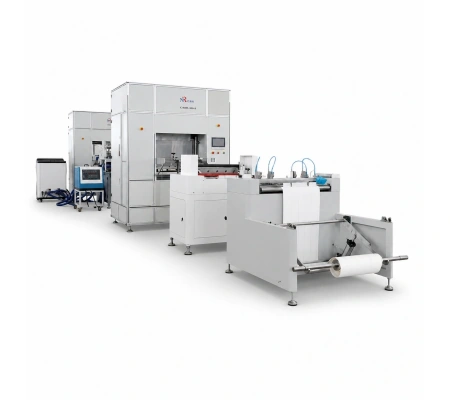
Pleating Height: 100–400 mm
Pleating Speed: 0–200 pleats/min
Max. Media Width: 700 mm
Max. Product Width: ≤650 mm
Production Capability: 25 m/min
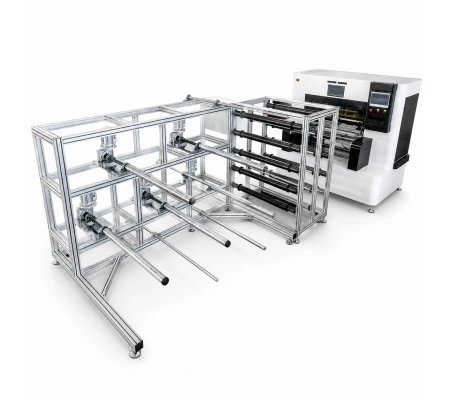
Working Width Range: 700–3000 mm
Pleating Height Range: 4–150 mm
Pleating Speed: Up to 400 pleats/min
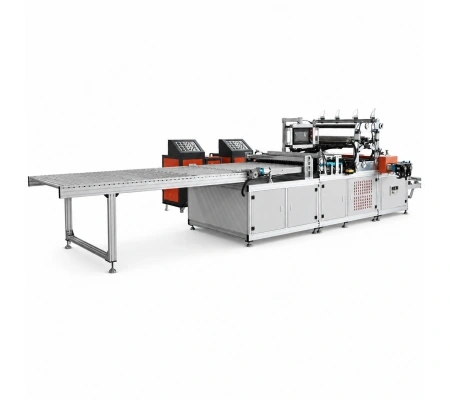
Max. Media Pleating Width: 1300 mm
Pleat Depth Range: 25–300 mm
Maximum Pleating Speed: 8–10 m/min
Hot Melt Nozzle Pitch: 25.4 mm
Online Slitting Cutters: 5 pcs
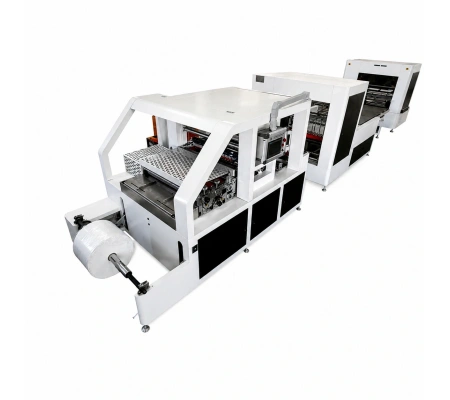
Max. Media Pleating Width: 700 mm
Pleat Depth Range: 16–100 mm
Maximum Pleating Speed: 8–10 m/min
Hot Melt Nozzle Pitch: 25.4 mm
Online Slitting Cutters: 5 pcs

Quick response within 24 hours

Expert advice tailored to your needs

End-to-end support for your success