News

Whether you can clean a filter depends on the filter type and the manufacturer’s design. Some permanent, washable or reusable filters can be cleaned, but most disposable filters should be replaced. Cleaning the wrong filter may damage the media, reduce filtration efficiency, create moisture problems or make the filter less reliable in real use.
As a general rule, washable pre-filters, metal mesh filters and some foam filters can often be cleaned. Disposable HVAC filters, most cabin air filters, true HEPA filters, activated carbon filters, water filters, oil filters and many paper-based engine air filters should usually be replaced when they reach their service life.
1. Can you clean a filter instead of replacing it?
2. Can you clean it? By filter type
3. How to clean reusable filters safely
4. When should you replace a filter instead of cleaning it?
5. Why does cleaning not always restore filter performance?
6. Washable filter vs disposable filter
7. How do filter media and structure affect cleanability?
You can clean a filter only when it is designed as washable, reusable or permanent. If the filter is disposable, cleaning is usually not recommended. Disposable filters often rely on paper media, fine fiber layers, pleated structures, activated carbon or internal contaminant holding capacity. Washing, brushing, vacuuming too strongly or blowing with compressed air may damage the filter or reduce its efficiency.
The first thing to check is the filter label or manufacturer’s instruction. If the filter is not clearly marked as washable, it is safer to treat it as a replaceable filter. A filter may look cleaner after surface cleaning, but that does not mean its original airflow, filtration efficiency, odor control or sealing performance has been restored.
Different filters have different cleanability. The table below gives a practical reference for common filter types.
| Filter Type | Clean or Replace? | Reason |
|---|---|---|
| Standard HVAC / Furnace Filter | Usually replace. | If it has a cardboard frame and pleated paper or fiberglass media, washing or vacuuming may damage the fragile fibers or frame. Moisture may also create mold risk inside the duct system. |
| Washable HVAC Filter | Can be cleaned if labeled washable. | Plastic-framed permanent filters or specifically labeled washable filters are designed for repeated maintenance. |
| Air Purifier Pre-filter | Usually cleanable. | Pre-filters are often mesh or coarse outer layers that capture larger dust before the main filter. |
| HEPA Filter | Usually replace unless marked washable. | True HEPA filters use fine fiber structures. Water, brushing or strong airflow may damage the structure, reduce efficiency and trap moisture. |
| Activated Carbon Filter | Usually replace. | Carbon filters rely on pores that adsorb odors and gases. Washing does not restore saturated carbon and moisture may clog the pores. |
| Water Pitcher / Water Filter | Replace. | Scrubbing or soaking water filters may introduce bacteria or push trapped contaminants deeper into the filter cartridge. |
| Engine Air Filter | Usually replace. | Most engine air filters use disposable paper media. Some specialty aftermarket filters are washable only if specifically designed that way. |
| Cabin Air Filter | Usually replace. | Dust, pollen, moisture and odor particles may remain inside the pleats or carbon layer even after surface cleaning. |
If a filter is clearly rated as washable, permanent or reusable, cleaning should still be done carefully. The goal is to remove loose dust without damaging the filter media, frame, seal or support structure.
Reusable does not mean permanent forever. If the filter becomes brittle, torn, deformed, clogged or unable to recover normal airflow after cleaning, it should be replaced.
Replacement is the better choice when the filter can no longer maintain airflow, filtration efficiency or structural integrity. In many systems, using an over-cleaned or damaged filter can be worse than using no maintenance at all because contaminants may bypass the filter or airflow may become restricted.
Filter performance is not only about visible dirt. A filter works through media depth, fiber density, pore structure, pleat spacing, sealing quality and sometimes adsorption material. Cleaning may remove loose surface dust, but it may not remove particles trapped deep inside the media.
Embedded particles may stay inside the media even after surface dust is removed.
Fiber damage can reduce filtration efficiency, especially in fine filter media and HEPA materials.
Pleat deformation can reduce effective filtration area and increase airflow resistance.
Carbon saturation cannot usually be reversed by washing, so odor control may not recover.
Sealing damage may cause bypass leakage, allowing unfiltered air or fluid to pass around the media.
This is why many manufacturers recommend replacing disposable filters instead of cleaning them. Replacement helps maintain predictable filtration performance, while repeated cleaning may create hidden performance risks.
Washable filters and disposable filters are designed with different priorities. A washable filter focuses on repeated maintenance and physical durability, while a disposable filter often focuses on stable filtration efficiency, controlled airflow resistance and convenient replacement.
| Comparison | Washable Filter | Disposable Filter |
|---|---|---|
| Main Advantage | Can be cleaned and reused for a period of time. | Provides more predictable performance after replacement. |
| Maintenance | Needs regular cleaning and complete drying. | Needs scheduled replacement. |
| Filtration Stability | Depends on cleaning quality and media condition. | Usually more consistent when replaced on time. |
| Typical Use | Pre-filters, coarse dust filters, metal mesh filters and some reusable air filters. | HVAC filters, cabin filters, HEPA filters, water filters, oil filters and many industrial filters. |
Neither type is always better. The right choice depends on the application, required filtration efficiency, maintenance condition, replacement cost and system performance requirement.
The cleanability of a filter is closely related to its media and structure. A strong metal mesh can usually handle repeated cleaning, while fine fiber HEPA media or paper-based pleated media may lose performance after washing.
For filter manufacturers, media selection and structure design determine not only filtration efficiency, but also service life, maintenance method and replacement strategy.
Manufacturing quality affects whether a filter can keep stable performance during its intended service life. Even when the same filter media is used, poor pleating, uneven gluing, weak sealing or inaccurate cutting may cause early deformation, leakage or unstable airflow.
For disposable filters, production consistency helps ensure that each filter performs reliably until replacement. For washable filters, stronger structure and stable assembly quality help the filter withstand repeated maintenance without serious deformation.
In filter production, equipment such as Filter Pleating Machine, Filter Gluing Machine, Filter Sealing Machine, Filter Testing Machine, Cabin Filter Making Machine and HVAC Filter Making Machine can help manufacturers improve production consistency for different filter applications.
Some filters can be cleaned, but many filters should be replaced once they reach their service life. The key is to understand whether the filter is designed as washable or disposable, and whether cleaning can truly restore airflow, filtration efficiency, odor control and structural stability.
For filter manufacturers, cleanability and replacement life are not only user maintenance topics. They are also connected to filter media selection, pleat design, sealing quality and production consistency.
MOER Machinery provides filter manufacturing equipment for air filters, cabin filters, HVAC filters and other filtration products, helping manufacturers improve pleating, gluing, sealing, testing and finished filter consistency.
Contact MOER Machinery```
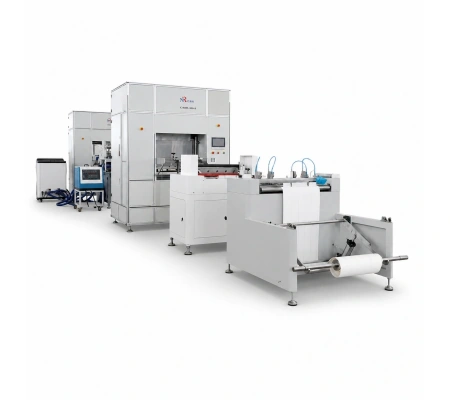
Pleating Height: 100–400 mm
Pleating Speed: 0–200 pleats/min
Max. Media Width: 700 mm
Max. Product Width: ≤650 mm
Production Capability: 25 m/min
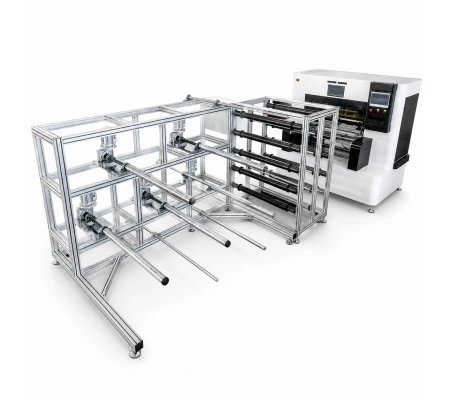
Working Width Range: 700–3000 mm
Pleating Height Range: 4–150 mm
Pleating Speed: Up to 400 pleats/min
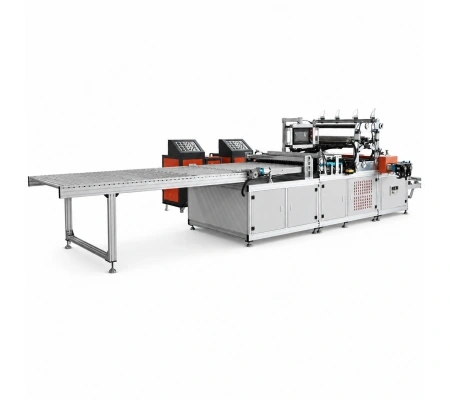
Max. Media Pleating Width: 1300 mm
Pleat Depth Range: 25–300 mm
Maximum Pleating Speed: 8–10 m/min
Hot Melt Nozzle Pitch: 25.4 mm
Online Slitting Cutters: 5 pcs
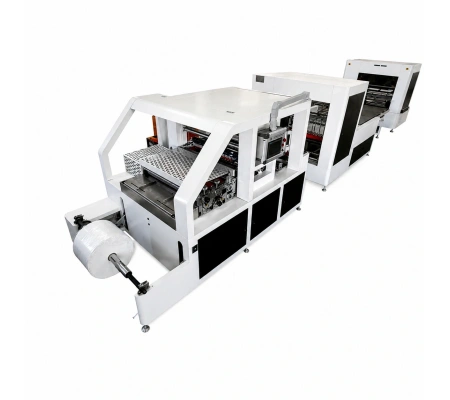
Max. Media Pleating Width: 700 mm
Pleat Depth Range: 16–100 mm
Maximum Pleating Speed: 8–10 m/min
Hot Melt Nozzle Pitch: 25.4 mm
Online Slitting Cutters: 5 pcs

Quick response within 24 hours

Expert advice tailored to your needs

End-to-end support for your success