News

A filter element is the replaceable part that performs filtration. A filter cartridge is one common form of element, filter media captures contaminants, and the filter housing holds the element.
These terms are closely connected, but they do not always describe the same component. In product catalogues, technical drawings and procurement documents, “filter,” “filter element” and “filter cartridge” are sometimes used interchangeably. This can make it unclear whether a buyer needs raw filtration material, a replaceable element or a complete filter assembly.
Understanding the differences helps buyers specify the correct part and helps filter manufacturers plan the appropriate materials, structure and production process.
A filter element is the component inside a filtration system that removes particles or other unwanted contaminants from air, water, oil, fuel or another fluid. It contains the filter media and normally includes the supporting and sealing components needed to maintain stable filtration.
Most filter elements are designed to be replaced after they become loaded, damaged or unable to maintain the required flow and filtration performance. The filter housing, pipework or main system is usually retained.
Filter elements are produced in many shapes and structures, including:
• Cylindrical hydraulic and liquid filter elements
• Engine air filter elements
• Oil and fuel filter inserts
• High-flow filter cartridges
• Rectangular HVAC panel filters
• HEPA and mini-pleat filter packs
• Pocket and bag-style air filters
A filter element is therefore a broad product term rather than one specific shape. Its design depends on the fluid being filtered, contaminant type, required efficiency, flow rate, operating pressure, temperature and installation space.
The main difference between these terms is the role each component performs in the filtration system.
| Term | Meaning | Common Examples | Normally Replaced? |
|---|---|---|---|
| Filter Element | The component that contains the media and performs filtration. | Hydraulic element, oil filter insert and air filter element. | Usually yes. |
| Filter Cartridge | A self-contained filter element, commonly cylindrical or cartridge-shaped. | Pleated liquid cartridge, high-flow cartridge and dust filter cartridge. | Usually yes. |
| Filter Media | The material that captures or retains contaminants. | Cellulose paper, synthetic media, glass fiber and polypropylene. | Normally replaced as part of the element. |
| Filter Housing | The structural body or vessel that holds the filter element. | Hydraulic housing, cartridge housing and air cleaner housing. | Usually no. |
| Complete Filter | The complete filtration product, although the meaning varies by application. | Spin-on oil filter and framed HVAC filter. | Depends on the design. |
In simple terms, the filter media captures contaminants, the filter element carries the media, and the filter housing holds the element in the system. A filter cartridge is one common type of filter element.
A filter cartridge is a type of filter element, but not every filter element is normally called a cartridge.
Filter element is the broader term. It can describe almost any replaceable filtration component, regardless of whether it is cylindrical, rectangular, flat, conical or bag-shaped.
Filter cartridge normally refers to a self-contained element with a defined shape that is inserted into a matching housing. The term is widely used for pleated liquid cartridges, high-flow filter cartridges, dust collector cartridges and some cylindrical air filters.
For example, a cylindrical pleated cartridge used in a water treatment housing is both a filter cartridge and a filter element. A rectangular HVAC panel filter is also a filter element, but it is more commonly called a panel filter than a cartridge.
The terminology may also vary between suppliers. One manufacturer may use “hydraulic filter element,” while another uses “hydraulic filter cartridge” for a similar replaceable component. Buyers should therefore compare the technical specifications rather than relying only on the product name.
Filter media is the material that directly captures or retains contaminants as air or liquid passes through it. It is the working material inside the filter element, but it is not normally a finished filter element by itself.
The singular form is “filter medium,” while “filter media” is commonly used when referring to filtration materials generally or to multiple material layers.
Common filter media include:
| Filter Media | Common Applications | General Characteristics |
|---|---|---|
| Cellulose Filter Paper | Engine air, oil, fuel and industrial filters | Economical, pleatable and available in different filtration grades. |
| Synthetic Nonwoven Media | Cabin, HVAC, air and liquid filters | Suitable for multilayer structures and applications requiring moisture resistance. |
| Glass Fiber | HEPA, hydraulic and fine liquid filtration | Suitable for fine particle capture but often requires careful processing and support. |
| Polypropylene | Water treatment and industrial liquid cartridges | Provides useful chemical compatibility and can support thermal or ultrasonic joining. |
| Activated Carbon Composite | Cabin and odor-control air filters | Combines particle filtration with odor or gas adsorption. |
Filter media selection affects filtration efficiency, flow resistance, dirt-holding capacity, chemical compatibility and service life. It also affects how the material can be pleated, cut, bonded, welded or assembled during filter production.
A filter housing is the body, casing or pressure vessel that holds the filter element and directs air or liquid through it. Depending on the application, it may contain inlet and outlet connections, element supports, covers, sealing surfaces, valves and drainage points.
The housing and element must be compatible in more than overall size. The element length, diameter, end-cap design, gasket position, flow direction and sealing method must match the internal housing structure.
A cartridge can have the correct filter media and micron rating but still fail if its end connection or seal does not fit the housing. This may allow unfiltered fluid to bypass the media or prevent the system from operating correctly.
The filter housing is normally retained during maintenance, while the loaded filter element or cartridge is removed and replaced.
Replacement filter is a general purchasing term for a filtration component used to replace an existing one. However, the phrase does not clearly identify whether the buyer needs only the internal element or the complete filter product.
Depending on the application, “replacement filter” may refer to:
• A replacement cartridge installed in an existing housing
• A replacement hydraulic filter element
• A framed HVAC filter replaced as one complete unit
• A complete spin-on oil filter with its own metal shell
• A replacement HEPA filter pack or finished HEPA filter
For clearer communication, buyers should use a more specific name such as “replacement high-flow filter cartridge,” “replacement hydraulic filter element” or “complete spin-on oil filter.”
The original part number is useful, but it should not be the only reference when products are being customized or sourced from another supplier. Dimensions, media, seals and operating requirements should also be confirmed.
A pleated filter element is an element that contains filter media folded into repeated pleats. “Pleated” describes the structure of the media rather than one specific type of filter.
Pleated media can be used in hydraulic filter elements, engine air filters, oil filters, HEPA filters, HVAC panel filters and high-flow liquid cartridges. These products may share a pleated structure but use different media, supports, end caps, frames and sealing methods.
Pleated filter element is not an exact synonym for filter cartridge. Some pleated filters are rectangular panels or media packs rather than cartridges. At the same time, some filter cartridges use melt-blown, string-wound, sintered or other non-pleated structures.
When purchasing a pleated element, the pleat structure alone is not enough to identify the product. Buyers must also confirm the filter type, media, dimensions, efficiency, supporting components and end configuration.
The most useful filter name identifies both the required component and its application. Precise wording helps prevent quotations for the correct filtration grade but the wrong structure or assembly form.
| What the Buyer Needs | Recommended Wording |
|---|---|
| Only the replaceable component inside an existing housing | Replacement filter element or replacement filter cartridge |
| A finished oil filter with its own metal outer shell | Complete spin-on oil filter |
| Filtration material supplied in sheets or rolls | Filter media sheet or filter media roll |
| The vessel into which filter cartridges are installed | Filter housing or cartridge filter housing |
| Folded media before final element assembly | Pleated media pack or pleated filter pack |
A complete request for quotation should normally include:
• Filter application and the material being filtered
• Element shape and overall dimensions
• Filter media type
• Filtration efficiency or micron rating
• Required flow rate and acceptable pressure drop
• Operating pressure and temperature
• End-cap, gasket and seal materials
• Flow direction and end connection
• Original part number, drawing or sample when available
• Required production or purchasing quantity
This information is more reliable than a general request for “a filter cartridge,” especially when the product must match an existing system or enter batch production.
Filter media becomes a finished filter element only after it has been processed and combined with the necessary supporting and sealing components.
A typical production route may involve media unwinding, multilayer combining, pleating, cutting, edge joining, cylindrical forming, end-cap bonding, frame assembly, sealing, printing and performance testing.
The required steps depend on the finished filter. A HEPA filter, hydraulic filter element, cabin air filter, truck air filter and spin-on oil filter may all contain pleated media, but their assembly processes and equipment configurations are different.
MOER Machinery provides filter making equipment for pleating, gluing, cutting, corrugating, forming, sealing, assembly, testing and packaging. Equipment should be selected according to the finished filter structure, media, size range and production target rather than the product name alone.
Not always. A filter element normally refers to the replaceable filtration component, while “filter” may describe the element or the complete filter assembly.
No. A filter cartridge is a finished replaceable component, while filter media is the material inside it that captures contaminants.
The filter element performs filtration, while the filter housing holds the element and directs air or liquid through it.
No. Length and diameter alone do not confirm compatibility. The end connection, sealing method, flow direction and operating rating must also match.
No. Filter elements may use pleated, melt-blown, string-wound, foam, mesh, sintered or other filtration structures.
A replacement filter element is a new element installed in an existing filtration system after the original element becomes loaded, damaged or reaches its service limit.
Terminology varies by industry, region, filter shape and supplier convention. Technical specifications are therefore more reliable than the product name alone.
A filter element is the broad term for the replaceable component that performs filtration. A filter cartridge is one common form of filter element, filter media is the material that captures contaminants, and the filter housing supports the element and directs flow through it.
Using these terms accurately helps buyers and manufacturers identify the correct component, reduce quotation errors and confirm the materials, dimensions and production processes required for the finished filter.
Need Equipment for Filter Element Production?
MOER Machinery can recommend suitable filter production equipment according to your filter type, media, dimensions, process requirements and target output.
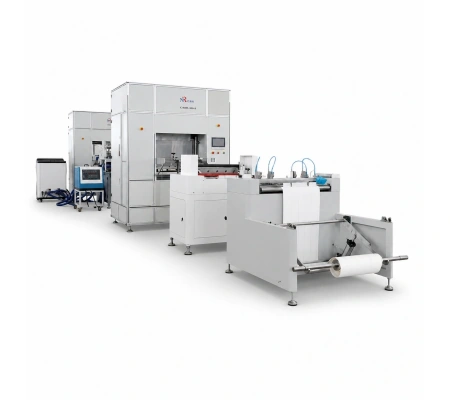
Pleating Height: 100–400 mm
Pleating Speed: 0–200 pleats/min
Max. Media Width: 700 mm
Max. Product Width: ≤650 mm
Production Capability: 25 m/min
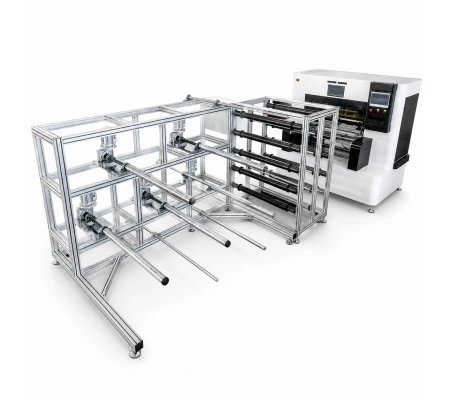
Working Width Range: 700–3000 mm
Pleating Height Range: 4–150 mm
Pleating Speed: Up to 400 pleats/min
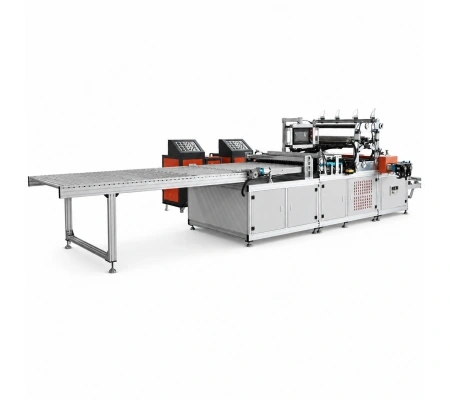
Max. Media Pleating Width: 1300 mm
Pleat Depth Range: 25–300 mm
Maximum Pleating Speed: 8–10 m/min
Hot Melt Nozzle Pitch: 25.4 mm
Online Slitting Cutters: 5 pcs
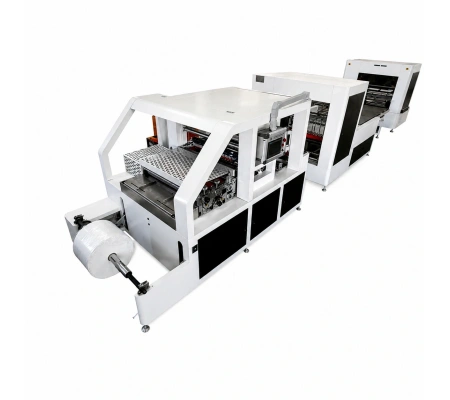
Max. Media Pleating Width: 700 mm
Pleat Depth Range: 16–100 mm
Maximum Pleating Speed: 8–10 m/min
Hot Melt Nozzle Pitch: 25.4 mm
Online Slitting Cutters: 5 pcs

Quick response within 24 hours

Expert advice tailored to your needs

End-to-end support for your success