
News

The most common symptoms of a dirty cabin air filter are weak airflow from the vents, musty or unpleasant odors, slower window defogging, increased dust inside the vehicle and unusual blower noise. If the filter becomes heavily clogged, your AC or heater may still produce hot or cold air, but much less air can pass through the HVAC system.
| Symptom | What You May Notice | Why It Happens |
|---|---|---|
| Weak Airflow | Less air from the vents even at a high fan setting | Dust and debris restrict airflow through the filter |
| Musty or Bad Smell | Unpleasant odor when AC or heat is turned on | Moisture and contaminants remain in the dirty filter |
| Slow Defogging | Windshield and windows take longer to clear | Restricted airflow reduces defroster performance |
| More Dust | Dust builds up faster around the dashboard and vents | The loaded filter is no longer working as effectively |
| Blower Noise | Whistling or louder fan noise | The blower has to move air through a more restricted path |
Yes. A dirty cabin air filter can noticeably affect how your AC feels because the filter sits in the airflow path of the vehicle's HVAC system. As dust, pollen, leaves and other contaminants accumulate in the filter media, resistance increases and less air reaches the vents.
You may turn the fan to a higher setting and still feel weak airflow. Cooling can seem slower because the AC system has less air to move into the cabin, and the same restriction can also reduce heater and defroster performance.
However, a cabin air filter does not directly control refrigerant temperature or AC compressor operation. If the airflow is strong but the air itself is not cold, the cause may be elsewhere in the AC system rather than the cabin filter.
Reduced airflow is one of the clearest signs of a clogged cabin air filter. When the pleats become loaded with dust and debris, the open area available for air to pass through becomes smaller.
A simple comparison is to check the airflow at a familiar fan setting. If level 3 or 4 now feels noticeably weaker than it used to, especially from several vents at the same time, the cabin filter is worth inspecting.
A dirty cabin filter can hold dust, moisture and organic debris. Over time, this can contribute to a stale, musty or sour smell when the fan, AC or heater starts running.
Replacing a dirty filter can help when the odor comes from contaminated filter media, but the filter is not the only possible source. Mold or bacteria can also develop around the evaporator or inside damp HVAC ducts, so a persistent smell after filter replacement may require further inspection.
The defroster depends on adequate airflow. When a clogged cabin filter restricts that airflow, the windshield and side windows may take longer to clear condensation.
This symptom is especially noticeable in humid or cold weather, when the HVAC system needs to move a larger volume of conditioned air across the glass.
If the dashboard, vents and interior surfaces seem to collect dust more quickly than before, inspect the cabin filter. A heavily contaminated, damaged or poorly fitted filter may no longer capture incoming particles effectively.
This does not mean every dusty dashboard is caused by the filter, but increased interior dust together with weak airflow or a visibly dirty filter is a stronger indication that replacement is due.
A clogged filter creates additional airflow resistance. You may hear more fan noise, whistling or a change in the sound coming from the HVAC system at higher blower speeds.
Leaves or larger debris around the filter housing can also create noise, so the area around the filter should be checked when it is removed.
The most reliable check is a physical inspection. Cabin air filters are commonly located behind the glove box, under the dashboard or, on some vehicles, beneath the hood near the HVAC air intake.
Remove the filter according to the vehicle manufacturer's instructions and inspect the pleated media. A filter that contains heavy dust, leaves, insects or other debris, has dark and heavily loaded pleats, shows moisture or mold, or has damaged media should be replaced.
If you are unsure how to access the filter, see our guide on how to change a cabin air filter for the basic removal, inspection and installation process.
A cabin filter has to balance two requirements: it needs enough filter media to capture airborne contaminants while still allowing the required volume of air to pass through the HVAC system. This is why the media is formed into pleats rather than installed as one flat sheet.
Pleat height, spacing, media thickness and the number of layers all influence the finished filter structure. Standard particulate filters may use paper, nonwoven or synthetic media, while activated carbon cabin filters can add carbon-containing layers for additional odor and gas adsorption.
MOER's cabin filter making machines cover key manufacturing processes including CNC knife pleating, side-strip bonding and edge trimming. Different media structures can also be processed with suitable filter pleating machines and production settings according to the required filter design.
For the vehicle owner, the important point is that airflow depends on both the original filter design and its condition. Even a correctly designed filter will become increasingly restrictive as contaminants fill the available media surface during use.
A dirty cabin filter should be replaced when inspection shows heavy contamination or when symptoms such as restricted airflow, persistent filter odor or poor defrosting appear. You do not need to wait until airflow becomes severely restricted.
There is no universal replacement interval for every vehicle or driving environment. Many service recommendations fall somewhere around 12,000–30,000 miles (about 20,000–48,000 km) or roughly once a year, but the vehicle owner's manual should take priority.
Replacement may be needed sooner if you regularly drive on dusty roads, in heavy urban pollution, through areas with frequent wildfire smoke, or in humid conditions where contaminants and moisture accumulate more quickly.
Weak airflow from the vents, musty odors, slow windshield defogging, increased cabin dust and unusual blower noise are among the most common symptoms.
It can make the AC feel less effective because less cooled air reaches the cabin. However, if airflow remains strong but the air is warm, the problem is more likely related to another part of the AC system.
Yes. Dust, moisture and organic material trapped in the filter can contribute to musty or stale odors. If the odor remains after replacing the filter, the HVAC evaporator or ducts may also need inspection.
Most disposable paper, nonwoven and activated carbon cabin filters are intended to be replaced rather than washed. Cleaning can damage the media or leave deeply embedded contaminants behind. Follow the filter manufacturer's instructions if your vehicle uses a reusable filter.
Remove and inspect it. Heavy debris, dark clogged pleats, moisture, mold, physical damage or a combination of weak airflow and unpleasant odors are strong signs that replacement is needed.
Previous: NULL
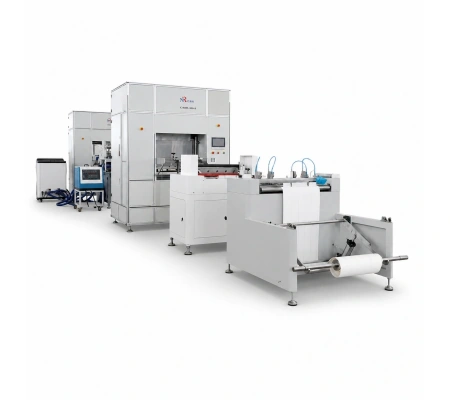
Pleating Height: 100–400 mm
Pleating Speed: 0–200 pleats/min
Max. Media Width: 700 mm
Max. Product Width: ≤650 mm
Production Capability: 25 m/min
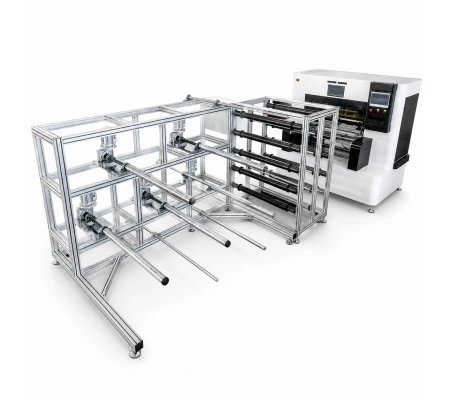
Working Width Range: 700–3000 mm
Pleating Height Range: 4–150 mm
Pleating Speed: Up to 400 pleats/min
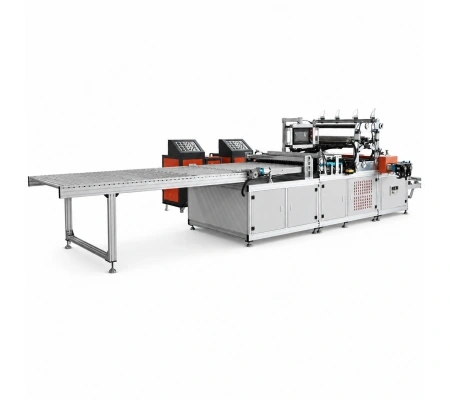
Max. Media Pleating Width: 1300 mm
Pleat Depth Range: 25–300 mm
Maximum Pleating Speed: 8–10 m/min
Hot Melt Nozzle Pitch: 25.4 mm
Online Slitting Cutters: 5 pcs
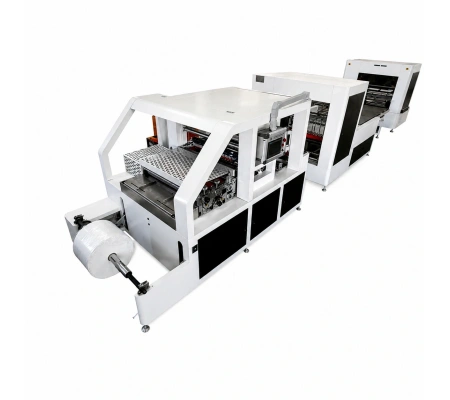
Max. Media Pleating Width: 700 mm
Pleat Depth Range: 16–100 mm
Maximum Pleating Speed: 8–10 m/min
Hot Melt Nozzle Pitch: 25.4 mm
Online Slitting Cutters: 5 pcs

Quick response within 24 hours

Expert advice tailored to your needs

End-to-end support for your success