News

There is no single cabin air filter replacement cost worldwide. The filter itself is usually inexpensive, but the final bill can vary significantly depending on local labor rates, vehicle design, filter type and where the replacement is performed.
As a current reference, professional replacement in the United States averages around $91–$114. In Germany, workshop examples for common vehicles start at roughly €58–€102. In Russia, some independent workshops list cabin filter replacement labor from around ₽640, with the filter charged separately. In South Africa, the filter itself can range from under R100 for some aftermarket options to several hundred rand for vehicle-specific or OEM filters, before fitment.
| Market Example | Current Price Reference | What the Price Includes |
|---|---|---|
| United States | About $91–$114 | Average professional parts + labor estimate |
| Germany | About €58–€102 in common vehicle examples | Workshop parts + labor |
| Russia | Labor from around ₽640 at some independent workshops | Labor only; filter price varies |
| South Africa | From under R100 to several hundred rand for the filter | Part only; fitment may be extra |
These figures are market examples rather than fixed national prices. Europe varies significantly from country to country, and the same is true across Africa, Asia and other regions. The useful comparison is not the currency itself, but how much of the total price comes from the filter, labor and vehicle-specific access work.
The replacement bill has two main parts: the cabin air filter and the labor required to install it. In markets where workshop labor is expensive, installation can cost as much as or more than the filter. In lower-labor-cost markets, the price of the filter, especially an imported or OEM part, may represent a larger share of the total.
For a typical U.S. retail reference, a cabin air filter bought separately often costs around $15–$50. Basic particulate filters are usually at the lower end, while activated carbon, multi-layer and higher-grade filters generally cost more.
Prices can look very different elsewhere. South African retail examples range from inexpensive aftermarket pollen filters to OEM filters costing several hundred rand. The same pattern appears in many markets: local aftermarket filters tend to cost less, while imported, original-equipment and more complex filter constructions carry a higher price.
Labor depends less on the filter and more on where it is installed. Many cabin filters sit behind the glove box and can be replaced quickly. Others are located beneath dashboard panels, behind trim or in areas that require additional disassembly.
In the U.S., current estimates put labor at roughly $45–$66 of an average $91–$114 professional replacement. Germany also shows how vehicle design affects the total: current workshop examples for common models range from about €58 for a Volkswagen Golf VI Variant to approximately €102 for a Mercedes-Benz E-Class.
In a market such as Russia, workshop labor may be much lower. One current independent-service example lists cabin filter replacement from ₽640, which means the filter itself and its supply channel can have a greater influence on the final bill.
DIY replacement removes the labor charge completely. If your vehicle has an easily accessible filter behind the glove box, the job may take only a few minutes and require little or no special equipment.
Professional replacement makes more sense when access is difficult, interior panels need to be removed, or you prefer to have the filter changed during another service visit.
| DIY | Shop / Dealer | |
|---|---|---|
| You Pay For | Filter only | Filter + labor |
| Best Situation | Easy-access filter housing | Difficult access or routine service visit |
| Main Consideration | Correct fit and airflow direction | Local labor rate and service pricing |
If you prefer to replace it yourself, our guide on how to change a cabin air filter explains where to find the filter, how to remove it and how to check the correct airflow direction.
A standard cabin air filter is generally the lower-cost option. It normally uses pleated paper, nonwoven or synthetic filter media to capture dust, pollen and other airborne particles.
An activated carbon cabin filter adds a carbon-containing layer that can adsorb odors, exhaust gases and certain airborne contaminants in addition to ordinary particles. Because it uses additional material and a more complex filter structure, it usually costs more than a basic particulate filter.
| Filter Type | Typical Position | Main Difference |
|---|---|---|
| Standard Particulate Filter | Usually lower cost | Primarily filters dust, pollen and particles |
| Activated Carbon Filter | Usually costs more | Adds activated carbon for odor and gas adsorption |
The difference begins before the filter reaches the parts store. Cabin filters may use paper, nonwoven, synthetic media, activated carbon composites or multiple layers, and each material behaves differently during pleating, bonding and trimming.
MOER's cabin filter making machines cover key manufacturing processes for automotive cabin filters, including CNC knife pleating, side-strip bonding and edge trimming. Manufacturers working with different media structures can also select suitable filter pleating machines and process settings according to the material and finished filter design.
This is one reason two cabin filters of the same size can have noticeably different retail prices. The material grade, number of layers, production process, brand and distribution channel all contribute to the final cost.
Two vehicles can use similar-looking cabin filters and still have very different replacement costs. The final price is usually affected by several factors working together.
This also explains why a single global average is not especially useful. In the U.S. or Western Europe, labor may dominate the bill. In other markets, installation may be inexpensive but imported filters, OEM parts or limited local availability can make the part itself comparatively expensive.
Not every driver needs the most expensive cabin filter. The correct choice depends on where and how the vehicle is used.
A standard particulate filter is generally sufficient when the main concern is dust and pollen. An activated carbon filter can make more sense for vehicles regularly driven in heavy traffic, tunnels, industrial areas or places where exhaust fumes and outside odors are noticeable.
Whichever type you choose, fit is more important than simply buying the highest-priced option. The filter should match the required dimensions, sealing structure and airflow direction for your vehicle. An expensive filter that does not fit the housing correctly cannot perform as intended.
There is no single global price. In the U.S., a professional replacement currently averages around $91–$114. German workshop examples for common vehicles start at roughly €58–€102, while labor can be considerably cheaper in markets such as Russia. The exact cost depends on the filter, vehicle and local service rate.
In the U.S., a typical retail cabin air filter often costs around $15–$50. Prices vary internationally according to filter type, vehicle, brand, local manufacturing, import costs and whether you choose an OEM or aftermarket part.
It depends heavily on the market and vehicle. In the U.S., labor currently represents roughly $45–$66 of an average $91–$114 replacement. In lower-labor-cost markets, the share can be much smaller.
Usually, yes. Activated carbon filters contain an additional carbon layer and often use a more complex multi-layer construction, so they generally cost more than standard particulate filters.
Yes, if the filter is easy to access. DIY replacement removes the labor charge, so you normally pay only for the filter. Some vehicles, however, require additional trim or dashboard disassembly and are better suited to professional service.
Previous: Dirty Cabin Air Filter Symptoms
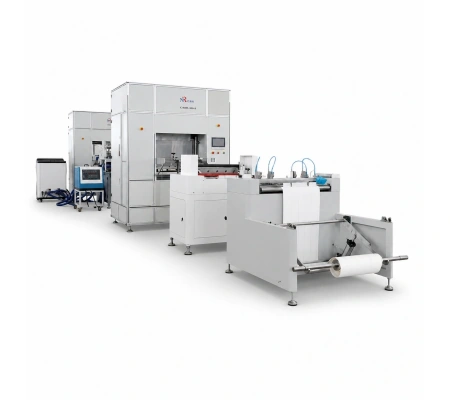
Pleating Height: 100–400 mm
Pleating Speed: 0–200 pleats/min
Max. Media Width: 700 mm
Max. Product Width: ≤650 mm
Production Capability: 25 m/min
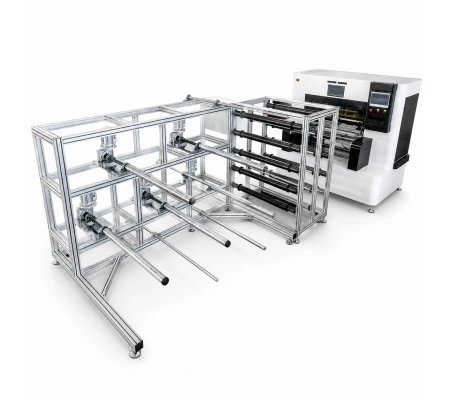
Working Width Range: 700–3000 mm
Pleating Height Range: 4–150 mm
Pleating Speed: Up to 400 pleats/min
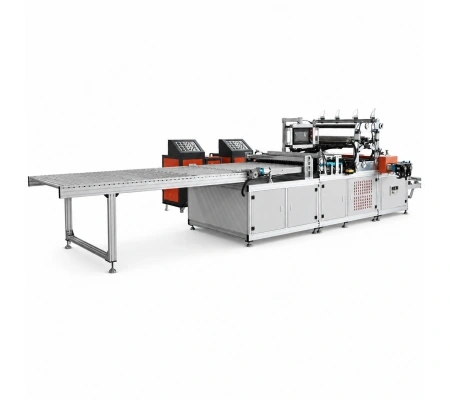
Max. Media Pleating Width: 1300 mm
Pleat Depth Range: 25–300 mm
Maximum Pleating Speed: 8–10 m/min
Hot Melt Nozzle Pitch: 25.4 mm
Online Slitting Cutters: 5 pcs
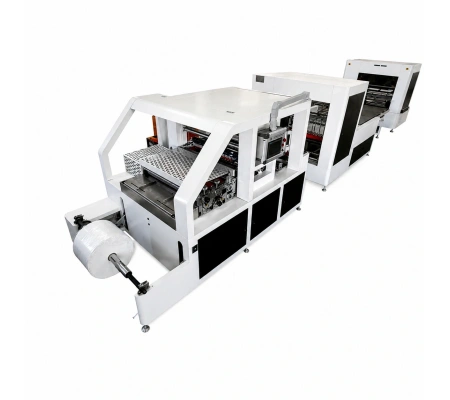
Max. Media Pleating Width: 700 mm
Pleat Depth Range: 16–100 mm
Maximum Pleating Speed: 8–10 m/min
Hot Melt Nozzle Pitch: 25.4 mm
Online Slitting Cutters: 5 pcs

Quick response within 24 hours

Expert advice tailored to your needs

End-to-end support for your success