
News

A paper pleating machine forms filter paper into controlled, repeatable folds before the media is cut, joined, shaped or assembled into a finished filter element. The pleating stage influences how much media can fit into the available space, whether the filter pack matches the required dimensions and how smoothly later production steps can be completed.
However, not every filter paper pleating machine works in the same way. Knife pleaters, rotary pleaters and mini-pleat systems use different forming methods and suit different media structures, pleat geometries and production plans. Selecting a machine by maximum speed alone can therefore lead to poor material compatibility, difficult changeovers or a line that cannot maintain the expected output.
This guide explains the paper pleating process, compares the main machine types and lists the production information a filter manufacturer should confirm before choosing equipment. For an overview of MOER's available systems, visit the filter pleating machine category.
A paper pleating machine is industrial equipment used to fold roll-fed or sheet-fed filter paper into a repeated pleat pattern. Depending on the configuration, the machine may also unwind the roll, guide and preheat the paper, mark fold lines, slit the media, count pleats, heat-set the folded pack and convey it to the next operation.
In filter manufacturing, the term usually refers to a machine designed for cellulose filter paper or paper-based composite media. It is more specific than the broader term filter pleating machine, which can also include systems for fiberglass, nonwoven media, synthetic materials, activated carbon composites and wire-mesh-supported structures.
The machine does not determine filtration performance by itself. Final performance also depends on the filter paper grade, media area, pleat shape, spacing, sealing, frame or end-cap construction and the complete filter design. The purpose of the pleater is to produce a stable media geometry that can be repeated and handled reliably in subsequent manufacturing steps.
Pleating allows a longer section of filter media to fit inside a limited filter size. A well-controlled pleat pack also makes later cutting, gluing, clipping, forming and assembly more predictable. Several aspects of production are affected:
More pleats are not automatically better. If the pitch is too narrow for the media thickness or filter design, the pack can become crowded. If the pitch is too wide, the available space may not be used effectively. The pleat specification should therefore come from the finished filter design rather than from the machine's maximum setting.
The exact sequence depends on the machine type and optional modules, but a typical filter paper pleating process includes the following stages.
Not every project needs every module. A stand-alone pleater may be appropriate when cutting and joining are handled separately, while a higher-output line may combine decoiling, slitting, pleating, counting and cross cutting to reduce manual transfers.
A knife pleating machine uses alternating upper and lower blades to push the filter paper into controlled folds. The knife position and movement can be adjusted to produce different pleat heights and, depending on the machine, different profiles.
This method is often considered when a factory handles multiple filter sizes, deeper pleats, multilayer media or products that require frequent specification changes. Controlled blade movement can provide useful flexibility, but the paper feed, knife angle, temperature and speed still need to match the actual material.
For example, MOER's JMMR-AUTO-700 Filter Paper CNC Knife Pleating Machine is designed for filter paper and multilayer materials used in spin-on oil filter production. Its published specifications include a maximum width of 700 mm, an adjustable pleating height of 3-70 mm and a pleating speed of up to 400 pleats per minute.
A rotary pleating machine uses rollers, gears or drums to mark and continuously fold the paper. Rotary forming is commonly evaluated for repeated production where the paper grade, pleat pattern and product dimensions remain relatively stable.
The continuous movement can support a regular production rhythm. However, roller profile and pleat geometry must be selected correctly, and a fixed rotary setup may be less convenient when a factory changes pleat specifications frequently.
The JSMRGT-600 Filter Paper Rotary Pleating Machine combines decoiling, pre-slitting, preheating, steam treatment, marking, rotary pleating, heat forming and conveying. Its published working range covers paper widths of 30-1000 mm, pleat heights of 12-60 mm and a production capability of 0-35 m/min.
A mini-pleat system forms closely spaced pleats and often applies hot melt lines to maintain spacing within the filter pack. This arrangement is commonly used for HEPA and other compact high-efficiency filter structures, especially when processing fiberglass or suitable synthetic media.
Mini-pleat selection should focus on gentle media handling, pleat depth, hot melt spacing, nozzle arrangement, slitting and pack stability. It should not be treated as a smaller version of a standard paper knife or rotary pleater. Manufacturers producing this type of filter can review MOER's HEPA filter making machines and match the pleating method to the actual media.
| Comparison Point | Knife Pleating | Rotary Pleating | Mini-Pleat System |
|---|---|---|---|
| Forming method | Alternating upper and lower blades | Continuous rollers, gears or drums | Close-pitch forming with spacing control |
| Typical production profile | Changing sizes, adjustable or deeper pleats | Repeated specifications and continuous runs | Compact high-efficiency filter packs |
| Material considerations | Paper, multilayer media and selected mesh-backed structures | Stable paper grades suited to the selected roller profile | Fiberglass and other suitable HEPA media |
| Changeover focus | Knife setting, pleat height, angle and feed recipe | Roller or gear profile and line settings | Pleat depth, glue pitch, nozzle and slitting settings |
| Best way to verify suitability | Run the actual production media at the required width, pleat geometry and target output | ||
For a closer analysis of the two standard forming methods, read Knife Pleating vs Rotary Pleating: What Is the Difference?
The name of the filter is not enough to select a paper pleating machine. Two products used in the same application can have different media thicknesses, resin content, stiffness, layer structures and pleat designs. The supplier should evaluate the exact media that will run in production.
Important media details include thickness, basis weight, stiffness, air permeability, tensile behavior, resin condition, maximum usable temperature, roll width and roll quality. A paper that runs well at a low speed may crack, wander or form uneven folds when acceleration and heat are increased. Sample testing is therefore more useful than choosing from a material name alone.
A machine described for one application should not automatically be assumed to handle every product on this list. The final filter drawing and actual media sample remain the most reliable basis for selection.
A useful machine comparison starts with the finished filter and works backward to the raw material. The following parameters should be confirmed in the same specification sheet so that suppliers are comparing the same production requirement.
| Parameter | Why It Matters | What to Confirm |
|---|---|---|
| Working width | Determines whether the roll and finished pack fit the machine | Minimum, normal and maximum paper width |
| Pleat height or depth | Affects media area, pack size and forming method | Full range plus the most frequently used values |
| Pleat pitch and profile | Influences spacing, pack length and downstream fit | Pitch, count, M/W/step form or required roller profile |
| Media structure | Changes feeding, bending force, temperature and damage risk | Layers, thickness, stiffness, resin and mesh support |
| Roll specification | Affects decoiler size, tension and changeover | Roll diameter, weight, core diameter and winding direction |
| Production speed | Must match the material and the rest of the line | Stable speed with actual paper, not only theoretical maximum |
| Heating and conditioning | Can affect fold formation and paper cracking | Temperature range, heating zones and need for steam treatment |
| Slitting and cutting | Determines whether separate handling is required | Number of slits, finished width, cut length and counting method |
| Changeover | Influences usable output in multi-product production | Parts, settings, time and sample loss needed for a format change |
| Factory conditions | Ensures the equipment can be installed and operated correctly | Voltage, frequency, phase, compressed air, floor space and access |
Knife pleater output may be stated in pleats per minute, while rotary pleater output may be stated in meters per minute. These numbers are not directly comparable. Finished output depends on pleat pitch, paper width, cut length, line interruptions and the cycle time of downstream machines. Ask for an estimated output based on one defined product rather than relying on the largest number in a brochure.
A machine may be capable of reaching a published maximum width, height or speed, but a project that combines all maximum conditions can behave differently from a standard setup. Suppliers should confirm the required width, pleat height, media and speed as one operating point. If several products will be made, list the main specifications and the extremes separately.
Provide a finished filter drawing or sample. Confirm the filter type, outside dimensions, pleated pack dimensions, required media length, pleat count, pleat height and joining method. This prevents the machine selection from being based only on raw roll width.
List every layer and send representative production material. If suppliers receive only a generic description such as “filter paper,” they cannot reliably evaluate feeding, heat response or fold stability. Samples should come from the same paper grade and roll condition planned for normal production.
Consider knife pleating when frequent size changes, adjustable pleat geometry or multilayer structures are central to the project. Consider rotary pleating when the paper and pleat pattern are stable and continuous production is the priority. For close-pitch HEPA packs, evaluate a dedicated mini-pleat and hot melt process.
Define the number of finished packs or filters required per shift, the number of shifts, expected changeovers and acceptable planned downtime. Then check whether cutting, joining, forming and assembly can accept the pleater's output. A faster pleater will not raise total production if the next machine is the bottleneck.
Choose whether the project needs a stand-alone pleater or an integrated line with automatic decoiling, slitting, heat forming, counting, cross cutting and conveying. Integration can reduce handling, but it also requires consistent specifications and careful coordination between modules.
A material trial should check more than whether the machine can make a fold. Inspect pleat height, pitch, squareness, cracking, surface damage, spring-back, pack length and stability after cutting. If multiple paper grades will be used, test the most difficult or most commercially important grades.
Review utilities, layout, operator access, safety requirements, maintenance space, wear parts, recipe control and training. Also confirm which components need to change when switching between the planned filter specifications.
Pleating defects often come from several interacting factors. The table below is a practical starting point for diagnosis; settings should always be adjusted according to the machine manual and the actual filter media.
| Observed Problem | Possible Causes | Checks to Make |
|---|---|---|
| Uneven pleat height | Unstable tension, incorrect knife or roller setting, feed variation or worn forming parts | Check web tension, synchronization, blade position, roller condition and recipe settings |
| Paper cracking at the fold | Brittle media, excessive forming force, unsuitable temperature, sharp bending or excessive speed | Verify paper condition, heating, steam treatment if applicable, knife angle and trial speed |
| Pleats spring back | Insufficient heat setting, unsuitable resin response, unstable collection or inadequate cooling | Review temperature, forming time, paper grade and pack handling after pleating |
| Inconsistent pleat pitch | Material slip, incorrect timing, feed synchronization error or unstable roll tension | Inspect drive timing, roller grip, encoder or counting signals and unwind control |
| Paper wanders sideways | Misaligned roll, uneven winding, guide position or tension imbalance | Realign the roll, inspect edge guiding and verify tension across the web |
| Pleats become crushed or wrinkled | Excess pressure, poor collection, incorrect conveying gap or unsuitable pack support | Check forming pressure, conveyor spacing, collection method and downstream handling |
| Finished pack length varies | Counting error, pitch variation, cutting delay or compressed collection | Calibrate counting and cutting, then measure the pack without inconsistent compression |
When troubleshooting, change one controlled variable at a time and record the result. Changing speed, temperature, pressure and tension together can hide the actual cause and make the correct setting difficult to reproduce.
A paper pleating machine is usually one part of a longer production sequence. The exact route varies by filter type, but a typical workflow may include:
Before connecting machines, compare working height, material direction, cycle time, buffer requirements and signal communication. If one process needs frequent manual inspection or curing time, a buffer may be more practical than a rigid one-to-one connection.
Manufacturers planning more than one process can review MOER's broader range of filter making equipment to identify which operations should be automated and which can remain stand-alone.
Routine inspection helps keep pleat settings repeatable and allows wear to be found before it affects a full production batch. The exact schedule should follow the equipment manual, operating hours and factory conditions.
After a format change, keep a verified recipe and sample for the next run. A simple record of paper grade, pleat setting, speed, temperature and inspection results can shorten future setup and reduce trial material.
A detailed request helps the supplier recommend the correct forming method and line configuration. Prepare the following information before requesting a paper pleating machine quotation:
If several filters will run on one machine, provide a specification list rather than only the largest product. The most common product, the most difficult material and the minimum and maximum formats should all be identified.
Founded in 1990, MOER Machine specializes in filter element production equipment. Its portfolio includes more than 80 machine types covering pleating, cutting, forming, assembly and customized filter production solutions. Learn more about the company's equipment scope and manufacturing focus on the About MOER Machine page.
For paper pleating equipment selection, the most useful starting point is your filter drawing, actual media sample, pleat specification and required output. MOER can use this information to compare knife and rotary configurations and determine which optional processes should be integrated into the line.
Contact MOER Machine to discuss your filter paper, pleat dimensions, production capacity and factory conditions.
A paper pleating machine is one type of filter pleating machine, specifically used for filter paper or paper-based media. The broader filter pleating machine category can also include equipment for fiberglass, synthetic media, nonwoven, activated carbon composites and mesh-supported materials.
Neither method is better for every project. Knife pleating is often practical for adjustable pleat heights, changing product sizes and multilayer materials. Rotary pleating is often suitable for stable paper specifications, repeated pleat patterns and continuous runs. A test with the real media is the best way to confirm the choice.
No single configuration should be assumed to cover every filter. Working width, pleat range, paper behavior, profile, layer structure and downstream process can require different forming components or a different machine type.
Pleat quality depends on the media, roll condition, web tension, alignment, forming method, knife or roller settings, temperature, speed, counting and collection. Downstream handling also matters because a well-formed pack can still be damaged by poor cutting, compression or assembly.
Yes, depending on the required line configuration. Pleating can be combined with slitting, counting, cross cutting and conveying, or the pleated media can be transferred to a separate cutting process. The suitable arrangement depends on product variety, output and factory layout.
Provide a representative production roll or enough media to test feeding, heating, pleating and cutting at the required size. Include the media data sheet, finished filter drawing, pleat specification and target output so the test conditions reflect normal production.
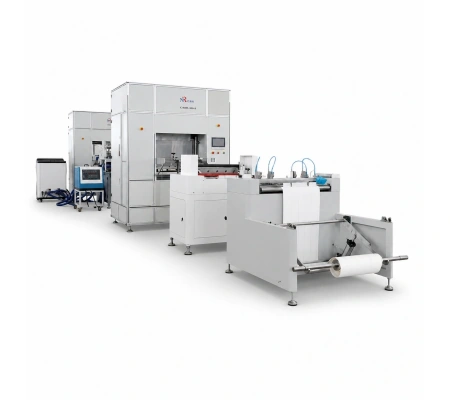
Pleating Height: 100–400 mm
Pleating Speed: 0–200 pleats/min
Max. Media Width: 700 mm
Max. Product Width: ≤650 mm
Production Capability: 25 m/min
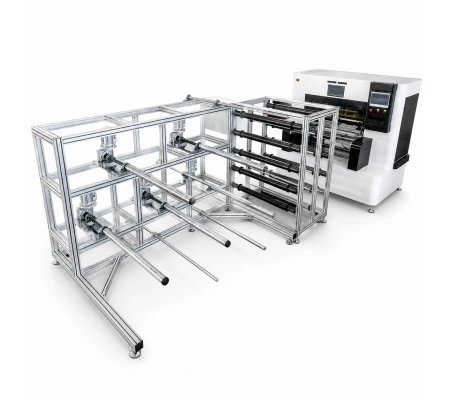
Working Width Range: 700–3000 mm
Pleating Height Range: 4–150 mm
Pleating Speed: Up to 400 pleats/min
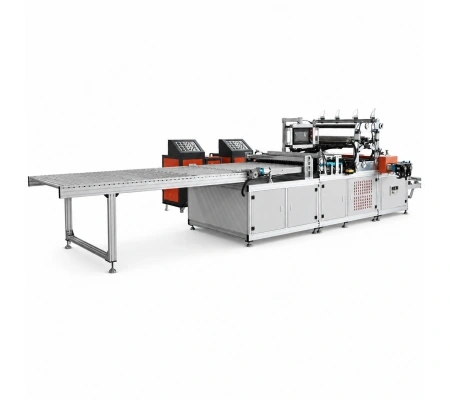
Max. Media Pleating Width: 1300 mm
Pleat Depth Range: 25–300 mm
Maximum Pleating Speed: 8–10 m/min
Hot Melt Nozzle Pitch: 25.4 mm
Online Slitting Cutters: 5 pcs
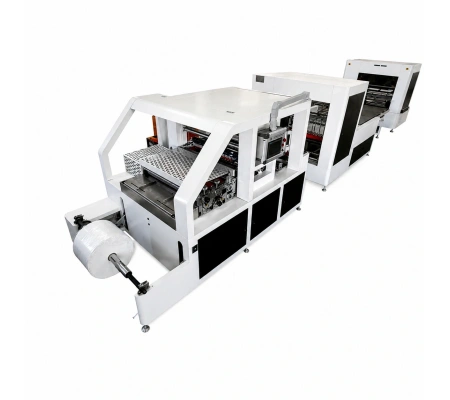
Max. Media Pleating Width: 700 mm
Pleat Depth Range: 16–100 mm
Maximum Pleating Speed: 8–10 m/min
Hot Melt Nozzle Pitch: 25.4 mm
Online Slitting Cutters: 5 pcs

Quick response within 24 hours

Expert advice tailored to your needs

End-to-end support for your success