News

Filter lifespans depend on filter type, system usage and working environment. As a general rule, 1-inch HVAC filters are often changed every 30 days, pleated 1-to-2 inch HVAC filters every 60 to 90 days, deep media filters every 6 to 12 months, air purifier HEPA filters every 6 to 12 months, common water filters about every 6 months, cabin air filters every 12,000 to 15,000 miles or once a year, and engine air filters every 15,000 to 30,000 miles.
These are general reference intervals rather than fixed rules. Heavy dust, high running hours, pets, allergies, humidity, poor water quality or high contamination levels can shorten the replacement cycle. In many cases, weak airflow, slower water flow, odor, visible dirt or rising resistance are more important signals than time alone.
1. How often should different filters be changed?
2. Home and HVAC filter replacement intervals
3. Air purifier, vacuum and appliance filter intervals
4. Water and automotive filter intervals
5. What affects filter service life?
6. What happens if a filter is not replaced on time?
7. Why do filter media and structure affect replacement intervals?
Different filters should be changed at different intervals because they work in different systems and capture different contaminants. The clearest way to judge replacement timing is to combine a basic time, mileage or capacity reference with actual performance signs such as dust loading, airflow reduction, odor, slower water flow or visible damage.
| Filter Type | General Replacement Reference | Replace Earlier When... |
|---|---|---|
| 1-inch HVAC / Fiberglass Filter | About every 30 days. | The system runs heavily, indoor dust is high, or airflow becomes weak. |
| Pleated HVAC Filter | About every 60 to 90 days for common 1-to-2 inch filters. | There are pets, allergies, high dust levels, or continuous HVAC operation. |
| Deep Media Filter | About every 6 to 12 months for many 4-to-5 inch filters. | Pressure rises, airflow drops, or the filter reaches its dust holding limit. |
| Air Purifier HEPA Filter | Usually every 6 to 12 months. | The purifier runs all day, room air is dusty, or the filter-life indicator turns on. |
| Water Filter | Often about every 6 months, depending on water volume and filter capacity. | Water flow becomes slow, taste or odor changes, or sediment loading is high. |
| Cabin Air Filter | About every 12,000 to 15,000 miles, or once a year. | Cabin airflow weakens, odor appears, or the vehicle is used in dusty roads or pollen seasons. |
| Engine Air Filter | About every 15,000 to 30,000 miles. | The vehicle works in dusty environments or the filter is visibly blocked. |
| Oil Filter | Usually replaced during each scheduled oil service. | Oil contamination is high, equipment load is heavy, or the maintenance schedule requires earlier service. |
If there are pets, allergy-sensitive users, high dust levels or heavy system usage, many air and HVAC filter replacement cycles may need to be shortened. For washable or reusable filters, regular cleaning is important, but cleaning does not mean the filter can be used permanently. Once the media, frame or sealing structure is damaged, replacement is still necessary.
Home and HVAC filters are among the most common filters users search for. Their replacement interval is strongly related to filter thickness, indoor air quality, system running hours and dust holding capacity.
For homes with pets, heavy dust, smoking, construction dust or allergy concerns, these timelines may become much shorter. In these conditions, users should check the filter condition more often instead of waiting for the normal interval.
Air quality and appliance filters are different from HVAC filters because they often work in smaller systems, but their filter life is still affected by running time, particle load and filter structure.
These filters show an important rule: not every filter should be replaced only by time. A filter used daily in a high-load environment can lose performance much faster than the same filter used occasionally.
Water filters and automotive filters are often replaced according to capacity, mileage or service schedules. Their condition is affected by water quality, road environment, oil contamination and equipment load.
For vehicle and water systems, the equipment manual or product specification should always be considered. However, visible dirt, odor, reduced flow, poor airflow or unusual system behavior may indicate that the filter needs attention earlier.
The service life of a filter is mainly determined by how quickly contaminants accumulate in the filter media. Even if two filters have the same size, their actual working life may be different because of filter media, pleat structure, sealing quality and working environment.
Dust, pollen, smoke, oil mist, sediment and other particles can fill the filter faster and shorten its useful life.
A filter used continuously will reach its loading limit earlier than a filter used occasionally, even in the same environment.
Moisture and temperature changes may affect media stability, adhesive strength, frame condition and odor control performance.
Media density, pleat depth, fiber structure, carbon layer and sealing design all influence dust holding capacity and service life.
A dirty filter does not always fail immediately. In most cases, performance declines gradually. Resistance increases, airflow or flow rate becomes weaker and the system may need more energy to maintain normal operation.
This is why replacement should not only follow a calendar. Visible dust loading, odor, abnormal noise, pressure change, weak airflow and reduced system performance are all signals that the filter may need attention.
Filter design has a direct impact on how long a filter can perform before it becomes heavily loaded. A good filter needs to balance filtration efficiency, airflow resistance, dust holding capacity and structural stability.
Filter media determines how particles are captured and how much contamination the filter can hold.
Pleated structure increases the effective filtration area within a limited filter size.
Glue and sealing quality help prevent bypass leakage and keep the filter structure stable.
Frame and support design help the filter keep its shape during airflow, installation and transportation.
For example, a pleated air filter with stable pleat spacing may provide a larger filtration area and better dust holding capacity. A cabin air filter with an activated carbon layer may help reduce odor, but the added layer also needs proper design to balance resistance and service life.
For filter users, replacement timing is a maintenance issue. For filter manufacturers, it is also a production consistency issue. If pleating, cutting, gluing, sealing or testing is unstable, finished filters may show different service life even when they look similar.
Stable manufacturing helps keep pleat spacing, size accuracy, adhesive application, edge sealing and finished filter quality consistent. This is especially important for large-batch production of air filters, cabin filters, HVAC filters and other filtration products.
In filter production, equipment such as Filter Testing Machine, Filter Media Pleating, Passenger Car Filter Making Machine, Cabin Filter Making Machine and HVAC Filter Making Machine can support more consistent production and quality control for different filter types.
Different filters should be changed at different intervals because they work in different environments and handle different contaminants. The most practical answer is to start with the general replacement reference, then adjust the schedule according to dust loading, airflow, odor, pressure change, water flow, oil condition and visible filter damage.
For filter manufacturers, stable filter service life depends on proper filter media selection, reliable structure design and consistent production quality. Good manufacturing control helps filters perform more predictably in real applications.
MOER Machinery provides filter production equipment for air filters, cabin filters, HVAC filters and other filtration products, helping manufacturers improve production consistency and finished filter quality.
Contact MOER Machinery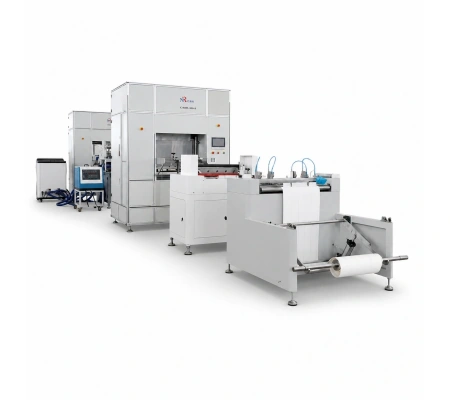
Pleating Height: 100–400 mm
Pleating Speed: 0–200 pleats/min
Max. Media Width: 700 mm
Max. Product Width: ≤650 mm
Production Capability: 25 m/min
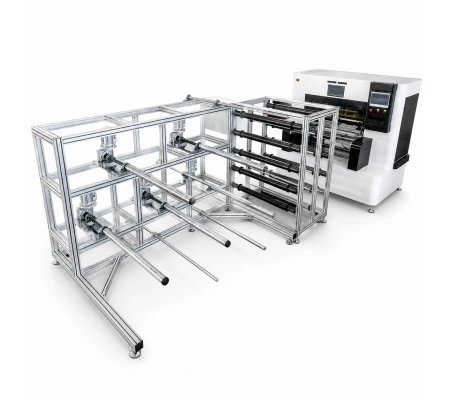
Working Width Range: 700–3000 mm
Pleating Height Range: 4–150 mm
Pleating Speed: Up to 400 pleats/min
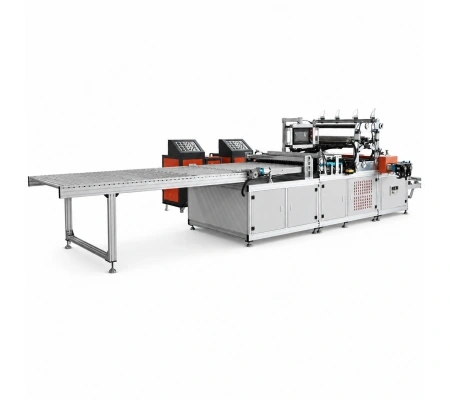
Max. Media Pleating Width: 1300 mm
Pleat Depth Range: 25–300 mm
Maximum Pleating Speed: 8–10 m/min
Hot Melt Nozzle Pitch: 25.4 mm
Online Slitting Cutters: 5 pcs
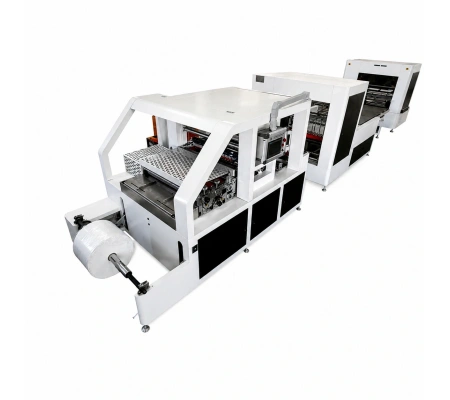
Max. Media Pleating Width: 700 mm
Pleat Depth Range: 16–100 mm
Maximum Pleating Speed: 8–10 m/min
Hot Melt Nozzle Pitch: 25.4 mm
Online Slitting Cutters: 5 pcs

Quick response within 24 hours

Expert advice tailored to your needs

End-to-end support for your success