News

Questions Covered in This Guide
A filter making machine can cost from about $800 to more than $100,000, depending on the machine type, filter product, automation level, production capacity, material compatibility, and included configuration.
A small filter paper pleating or bonding machine may only handle one simple production step, so the price can be relatively low. A complete automatic filter production line may include media feeding, pleating, gluing, cutting, forming, curing, assembly, testing, and conveying systems, so the total cost can be much higher.
In most cases, filter making machine price cannot be judged only by the machine name. The real cost depends on what filter you want to produce, what process steps are required, and whether the machine is a single unit, a semi-automatic combination, or a complete production line.
Entry-Level Machines
Usually used for simple pleating, bonding, cutting, or small-batch production.
Mid-Range Equipment
Often includes more stable feeding, pleating, gluing, cutting, or semi-automatic assembly.
Automatic Production Lines
Designed for higher output, connected processes, better consistency, and lower manual handling.
The following price ranges are general market estimates. Actual prices may vary according to working width, speed, control system, machine structure, component brands, customization, and service scope.
| Machine Type | Estimated Price Range | Typical Use |
|---|---|---|
| Small Pleating or Bonding Machine | About $800 – $5,000 | Small batches, simple filter paper folding, basic bonding, or trial production. |
| Automatic Hydraulic Filter Making Machine | About $1,000 – $8,000 | Air filter elements, oil filter elements, and basic filter forming processes. |
| Oil Filter Production Line | About $10,000 – $20,000+ | Oil filter assembly, end cap bonding, housing assembly, sealing, and testing. |
| PP Spun or Meltblown Filter Cartridge Line | About $15,000 – $30,000+ | Water filter cartridges, PP filter cartridges, and liquid filtration products. |
| HEPA or HVAC Filter Production Line | Usually from several thousand dollars to higher customized ranges | Mini-pleating, hot melt gluing, frame assembly, sealing, and leakage testing. |
| Large Industrial Air Filter Line | About $80,000 – $110,000+ | Heavy-duty industrial filters, high-output air filter production, and automated line integration. |
These ranges are useful for understanding the market, but they should not replace a project-based quotation. A machine with the same general name may have a very different price if the working width, speed, glue system, automation level, or testing requirement changes.
Filter type is one of the biggest reasons for price differences. Different filters require different equipment combinations, and some filters need more precise forming, sealing, curing, or testing processes.
| Filter Product | Main Equipment Needed | Why the Price Changes |
|---|---|---|
| HEPA Filter | Mini pleating machine, hot melt gluing machine, cutting machine, frame assembly, testing equipment | Requires accurate pleat spacing, stable glue lines, sealing control, and possible leakage testing. |
| HVAC Filter | Pleating machine, cutting machine, frame forming machine, sealing equipment | Cost depends on filter size, frame material, production speed, and assembly method. |
| PU Air Filter | Pleating equipment, PU dispensing machine, mold system, curing oven, trimming equipment | Molds, PU material control, curing, and edge forming add to equipment cost. |
| Cabin Filter | Pleating machine, slitting machine, cutting machine, side sealing or bonding equipment | Activated carbon media, compact size, and clean cutting may require more stable handling. |
| Oil, Fuel or Hydraulic Filter | Pleating machine, end cap bonding, center tube assembly, housing assembly, testing equipment | More components, sealing points, pressure requirements, and testing needs can increase cost. |
| Industrial Filter | Customized pleating, welding, cartridge forming, end cap bonding, leak testing, or pressure testing equipment | Large size, special materials, and custom structures usually require tailored machine design. |
Automation level has a direct impact on filter making machine cost. Manual or basic machines usually cost less, while fully automatic machines cost more because they include more control systems, sensors, feeding units, positioning devices, and process integration.
| Automation Level | Cost Level | Typical Features |
|---|---|---|
| Manual or Basic Machine | Lower | More manual feeding, positioning, handling, adjustment, or inspection. |
| Semi-Automatic Machine | Medium | Combines automatic processing with some manual loading, unloading, or assembly work. |
| Fully Automatic Production Line | Higher | Automatic feeding, pleating, gluing, cutting, forming, assembly, testing, conveying, or data control. |
Higher automation can improve production speed and consistency, but it is not always necessary for every project. If the filter model changes often or the production volume is still small, a flexible semi-automatic solution may be more practical than a highly customized automatic line.
Production capacity affects price because high-speed production requires stronger mechanical structure, more stable feeding, better control systems, faster glue application, accurate cutting, and smoother process coordination.
When comparing machine capacity, it is better to look at real output instead of only the maximum speed. In filter production, the slowest process often decides the actual output of the whole line.
Capacity Points That Affect Price
A machine with higher theoretical speed may not always provide higher real capacity if feeding, curing, manual assembly, or testing cannot keep up with the main production process.
Filter making machine price is strongly affected by configuration. Two machines may look similar from the outside, but their price can be very different if the control system, glue system, working width, components, fixtures, or testing functions are different.
| Configuration Factor | How It Affects Price | Where It Matters |
|---|---|---|
| Control System | Servo systems, PLC control, touch screen, sensors, and automatic adjustment increase cost. | Automatic pleating, high-speed cutting, line synchronization, and repeatable production. |
| Glue System | Hot melt glue, PU glue, epoxy, multi-nozzle systems, and temperature control affect price. | HEPA filters, HVAC filters, PU air filters, cartridge filters, and sealing applications. |
| Ultrasonic Welding System | Adds welding generator, horn design, fixture design, and control requirements. | Non-woven filters, pocket filters, synthetic media filters, and clean sealing processes. |
| Molds and Fixtures | Customized filter size, PU shape, end cap, housing, or assembly process may require special tooling. | PU air filters, cartridge filters, truck filters, oil filters, and custom industrial filters. |
| Testing Equipment | Resistance testing, leakage testing, bubble testing, or integrity testing adds cost. | HEPA filters, industrial filters, oil filters, hydraulic filters, and high-quality air filters. |
A useful filter making machine quotation should clearly show what is included in the price. If the quotation only lists a machine name and a total price, it may be difficult to compare with other offers.
A Clear Quotation Should Explain
When comparing prices, compare the same scope. One quotation may include only the main machine, while another may include auxiliary systems, molds, fixtures, testing equipment, spare parts, and technical support.
A low-price filter making machine may be suitable for simple production, small batches, or early-stage projects. However, a very low price can also mean fewer functions, weaker components, limited adjustment range, less stable output, or insufficient technical support.
Accuracy Risk
Unstable pleating, gluing, cutting, or forming can increase waste and rework.
Stability Risk
Frequent adjustment or downtime can reduce actual production capacity.
Maintenance Risk
Low-grade components may increase replacement frequency and repair difficulty.
Support Risk
Weak documentation, training, or spare parts support can make later operation harder.
The better approach is not to choose the lowest price automatically, but to check whether the machine configuration matches the filter product, material, size range, production capacity, and quality requirement.
To receive a more accurate filter making machine price, the quotation should be based on clear production information. A general inquiry such as “How much is a filter making machine?” is usually not enough because different filters need different equipment.
| Information Needed | Why It Matters for Price |
|---|---|
| Filter Type | Decides the basic machine category and production process. |
| Filter Size Range | Affects working width, tooling size, cutting range, and machine structure. |
| Filter Material | Affects feeding, pleating, gluing, cutting, welding, and forming design. |
| Pleat Height or Media Structure | Helps confirm pleating method, adjustment range, and machine precision. |
| Production Capacity | Determines automation level, speed, and line configuration. |
| Required Process Steps | Clarifies whether the quotation should include pleating, gluing, cutting, forming, curing, assembly, testing, or packing. |
| Factory Conditions | Workshop space, power supply, compressed air, and layout may affect machine design and installation. |
With this information, a supplier can provide a more realistic price instead of a rough number that may not match the actual production process.
In simple terms, filter making machine cost depends on machine type, filter product, automation level, production capacity, machine configuration, and whether the quotation includes auxiliary systems, testing equipment, tooling, and support.
If there are still questions about filter making machine price, machine configuration, production capacity, or quotation details, MOER Machinery can provide further explanation based on the specific filter product and production process.
MOER Machinery focuses on filter making machine solutions for HEPA filters, HVAC filters, cabin filters, PU air filters, truck air filters, spin-on oil filters, hydraulic filters, high flow filter cartridges, and other industrial filter products.
Contact Us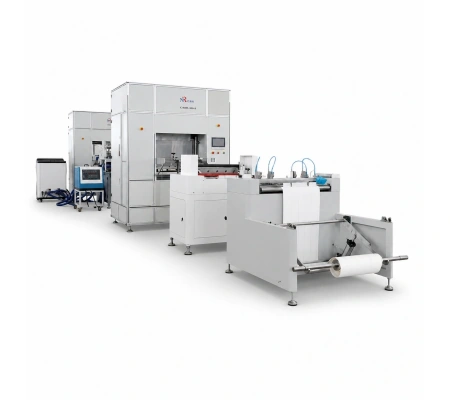
Pleating Height: 100–400 mm
Pleating Speed: 0–200 pleats/min
Max. Media Width: 700 mm
Max. Product Width: ≤650 mm
Production Capability: 25 m/min
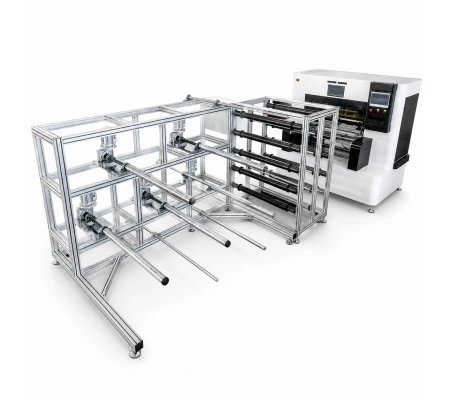
Working Width Range: 700–3000 mm
Pleating Height Range: 4–150 mm
Pleating Speed: Up to 400 pleats/min
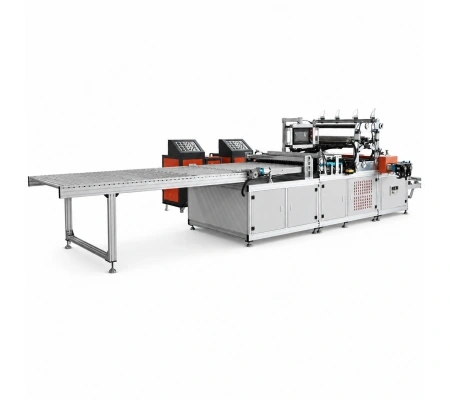
Max. Media Pleating Width: 1300 mm
Pleat Depth Range: 25–300 mm
Maximum Pleating Speed: 8–10 m/min
Hot Melt Nozzle Pitch: 25.4 mm
Online Slitting Cutters: 5 pcs
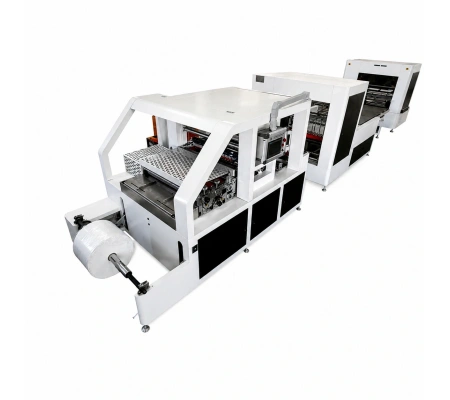
Max. Media Pleating Width: 700 mm
Pleat Depth Range: 16–100 mm
Maximum Pleating Speed: 8–10 m/min
Hot Melt Nozzle Pitch: 25.4 mm
Online Slitting Cutters: 5 pcs

Quick response within 24 hours

Expert advice tailored to your needs

End-to-end support for your success