News

Questions Covered in This Guide
Pressure drop in air filters means the resistance created as air passes through filter media; it affects airflow, fan load, energy use, and filter performance.
When air moves through a filter, the filter media, pleat structure, frame, and dust loading all create resistance. This resistance causes a pressure difference between the air entering the filter and the air leaving it.
A lower pressure drop usually means air can pass through more easily. A higher pressure drop means the fan or air handling system needs more effort to move the same amount of air. However, the goal is not always the lowest pressure drop; it must be balanced with filtration efficiency and application requirements.
Pressure drop increases over time because dust, pollen, fibers, and other particles collect on the filter media. As more particles build up, the open air paths become smaller.
This is why air filters are not judged only by their initial pressure drop. Their pressure drop after dust loading is also important for real use.
Filter design affects pressure drop by changing how easily air can move through the media and filter structure. Media density, pleat design, filter depth, and sealing all matter.
| Design Factor | How It Affects Pressure Drop |
|---|---|
| Filter Media | Denser or higher-efficiency media may create more resistance if the structure is not designed properly. |
| Pleat Depth | Deeper pleats can increase media area, but crowded pleats may restrict airflow. |
| Pleat Spacing | Stable spacing keeps air channels open and helps reduce uneven resistance. |
| Filter Thickness | A deeper filter may hold more media, but it must match the system space and airflow design. |
| Frame and Sealing | Poor sealing may cause bypass, while poor frame design may disturb airflow through the filter. |
| Airflow Rate | Higher airflow through the same filter usually increases resistance. |
Low pressure drop is important in HVAC systems because high resistance can reduce airflow, increase fan load, and affect heating, cooling, or ventilation performance.
Maintains Airflow
The system can move air more easily when the filter resistance stays within a suitable range.
Reduces Fan Load
Higher resistance makes the fan work harder, especially in continuous air handling systems.
Supports System Efficiency
When airflow is restricted, the system may not heat, cool, ventilate, or clean air as intended.
Low pressure drop should still be matched with filtration performance. A filter with very low resistance but poor particle capture may not meet the application requirement.
Pressure drop and filtration efficiency should be considered together. Higher efficiency often requires finer media or a denser structure, but the filter still needs enough open area for airflow.
| Selection Focus | What It Means |
|---|---|
| Efficiency Requirement | The filter must meet the required particle capture level for the application. |
| Allowed Pressure Drop | The filter resistance must stay within what the fan or system can handle. |
| Media Area | Enough media area helps balance filtration performance and airflow resistance. |
| Dust Loading | The filter should be considered not only when clean, but also after particles build up during use. |
In simple terms, pressure drop should be low enough for stable airflow, while filtration efficiency should still meet the actual air quality requirement.
When comparing air filter pressure drop, users should check the filter type, airflow rate, media design, pleat structure, filter size, dust loading condition, and system requirement.
Pressure Drop Checkpoints
No. A lower pressure drop helps airflow, but the filter must still meet the required filtration efficiency and application conditions.
Dust and particles collect on the media, reducing open flow paths and increasing resistance through the filter.
HEPA filters may create higher resistance than some lower-efficiency filters, but the final pressure drop depends on media area, pleat design, filter depth, and airflow rate.
Main factors include media density, filter size, pleat design, airflow rate, dust loading, filter depth, and installation condition.
If there are still questions about pressure drop, air filter structure, pleat design, or filter production requirements, MOER Machinery can provide further technical explanation based on specific filter products and applications.
MOER Machinery focuses on filter making machine solutions for HEPA filters, mini pleat filter media, cabin filters, PU air filters, truck air filters, spin-on oil filters, hydraulic filters, high flow filter cartridges, pocket filters, air filters, and other industrial filter products.
Contact Us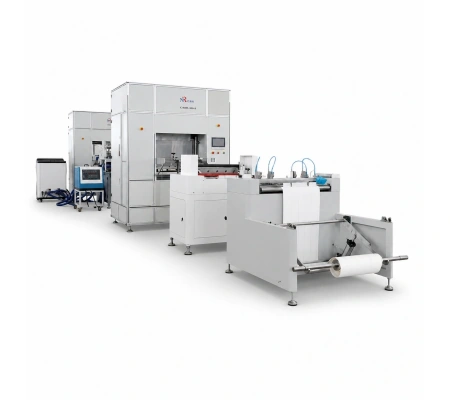
Pleating Height: 100–400 mm
Pleating Speed: 0–200 pleats/min
Max. Media Width: 700 mm
Max. Product Width: ≤650 mm
Production Capability: 25 m/min
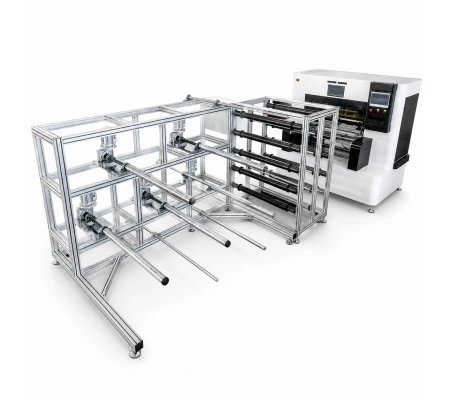
Working Width Range: 700–3000 mm
Pleating Height Range: 4–150 mm
Pleating Speed: Up to 400 pleats/min
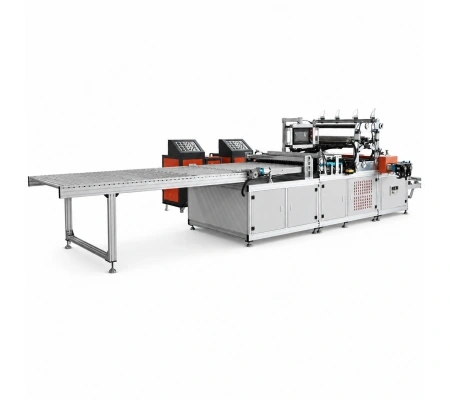
Max. Media Pleating Width: 1300 mm
Pleat Depth Range: 25–300 mm
Maximum Pleating Speed: 8–10 m/min
Hot Melt Nozzle Pitch: 25.4 mm
Online Slitting Cutters: 5 pcs
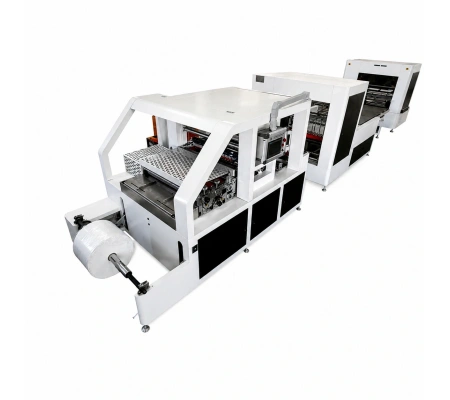
Max. Media Pleating Width: 700 mm
Pleat Depth Range: 16–100 mm
Maximum Pleating Speed: 8–10 m/min
Hot Melt Nozzle Pitch: 25.4 mm
Online Slitting Cutters: 5 pcs

Quick response within 24 hours

Expert advice tailored to your needs

End-to-end support for your success