News

Contents
A filter making machine is industrial equipment used to manufacture filter elements by processing filter media and related materials. It can complete one or more production steps such as media feeding, pleating, gluing, cutting, forming, sealing, assembling, and testing.
The term does not refer to only one fixed machine. In filter manufacturing, different filters often require different equipment combinations. A HEPA filter, an HVAC filter, an automotive air filter, a cabin filter, and a PU air filter are all filtration products, but their materials, structures, sealing methods, and production processes are different.
Therefore, a filter making machine should be understood as equipment used to turn filter media and supporting materials into a finished or semi-finished filter product with a stable shape, consistent structure, and repeatable production quality.
Core Function
To process filter media into a specific shape, size, and filtration structure.
Common Materials
Filter paper, non-woven fabric, fiberglass media, mesh, frame material, glue, PU material, gasket, or end caps.
Typical Output
Air filters, HVAC filters, HEPA filters, cabin filters, PU air filters, truck air filters, or industrial filters.
A filter making machine is used to complete the key manufacturing steps required to produce filter elements. Some machines only handle one process, such as pleating or cutting. Other machines may be connected with additional units to form a more complete filter production process.
Although different filters have different structures, many filter manufacturing processes include the following basic steps.
Basic Process of Filter Manufacturing
Not every filter making machine includes all of these steps. For example, a pleating machine mainly handles the folding of filter media. A cutting machine focuses on size control. A PU air filter process may involve mold positioning, PU foaming, curing, and trimming. A complete filter production line may connect several machines to finish media processing, assembly, sealing, and inspection.
Filter making machines are used in many filtration industries. The machine design changes according to the filter type because each filter has its own media structure, shape, sealing method, and application environment.
| Filter Type | Typical Production Process | Common Application |
|---|---|---|
| HEPA Filter | Mini-pleating, glue separation, frame assembly, sealing, leakage testing | Cleanrooms, hospitals, laboratories, precision air filtration |
| HVAC Filter | Media pleating, cutting, frame forming, edge sealing | Ventilation systems, air handling units, commercial buildings |
| Air Filter | Pleating, side gluing, cutting, frame or end cap assembly | Automotive engines, compressors, machinery intake systems |
| Cabin Filter | Activated carbon media feeding, pleating, cutting, frame assembly | Vehicle air conditioning and cabin air purification |
| PU Air Filter | Media positioning, mold placement, PU foaming, curing, trimming | Cars, motorcycles, generators, small engines |
| Truck Air Filter | Heavy-duty media pleating, inner and outer mesh assembly, end cap sealing | Trucks, construction machinery, agricultural machinery |
| Industrial Filter | Customized pleating, welding, cartridge forming, sealing, testing | Dust collection, industrial air filtration, gas filtration, liquid filtration |
These categories may share some similar production steps, but the equipment details can still be different. For example, both HEPA filters and HVAC filters may require pleating, but HEPA filters usually need more precise media spacing, sealing control, and leakage testing. Automotive air filters and truck air filters may both use pleated media, but the size, structure, material strength, and end cap design can vary.
This is why the same general term, filter making machine, may refer to different machines in different production environments.
The phrase filter making machine can describe a single machine, a group of machines, or a complete filter production line. This depends on how complex the filter product is and how many manufacturing steps are required.
Single Filter Making Machine
A single machine completes one main task, such as pleating, cutting, gluing, welding, foaming, or testing.
Machine Combination
Several machines are used together to complete different stages, such as media pleating, cutting, frame assembly, and sealing.
Complete Filter Production Line
A production line connects multiple steps into a more continuous process, often including feeding, forming, assembly, inspection, and conveying.
For example, a pleating machine can produce pleated filter media, but it may not complete frame assembly or final sealing. A PU air filter production process may need media preparation, mold handling, PU injection or foaming, curing, and trimming. A HEPA filter production line may involve mini-pleating, hot melt gluing, frame assembly, sealing, and leak testing.
Therefore, filter making machine is best understood as a general term. It can refer to one piece of equipment, but it can also refer to the complete set of machines required to produce a specific filter.
The configuration of a filter making machine is mainly determined by the filter product itself. The more complex the filter structure is, the more production steps and auxiliary equipment may be involved.
Main Factors That Define the Machine Configuration
This explains why two filter factories may both use filter making machines but have completely different equipment layouts. One production process may only require pleating and cutting, while another may require automatic gluing, frame assembly, sealing, testing, and conveying.
In practical terms, understanding a filter making machine starts from understanding the filter product. Once the filter type, structure, material, and production process are clear, the role of each machine becomes easier to understand.
A filter making machine is not only about automation. Its main purpose is to turn a specific filter design into a stable and repeatable manufacturing process.
If there are still questions about different types of filter making machines, filter production processes, or how different machine types are connected, MOER Machinery can provide further technical explanation based on the specific filter product and production method.
MOER Machinery focuses on filter making machine solutions for HEPA filters, HVAC filters, cabin filters, PU air filters, truck air filters, pocket filters, spin-on oil filters, hydraulic filters, high flow filter cartridges, and other industrial filter products.
Contact UsPrevious: How Does a Filter Making Machine Process Filters?
Next: NULL
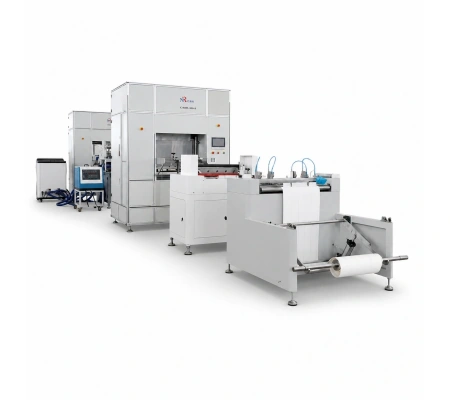
Pleating Height: 100–400 mm
Pleating Speed: 0–200 pleats/min
Max. Media Width: 700 mm
Max. Product Width: ≤650 mm
Production Capability: 25 m/min
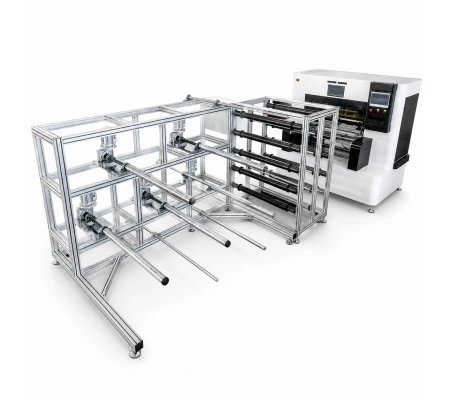
Working Width Range: 700–3000 mm
Pleating Height Range: 4–150 mm
Pleating Speed: Up to 400 pleats/min
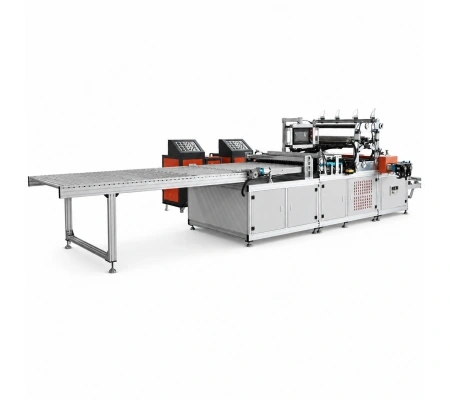
Max. Media Pleating Width: 1300 mm
Pleat Depth Range: 25–300 mm
Maximum Pleating Speed: 8–10 m/min
Hot Melt Nozzle Pitch: 25.4 mm
Online Slitting Cutters: 5 pcs
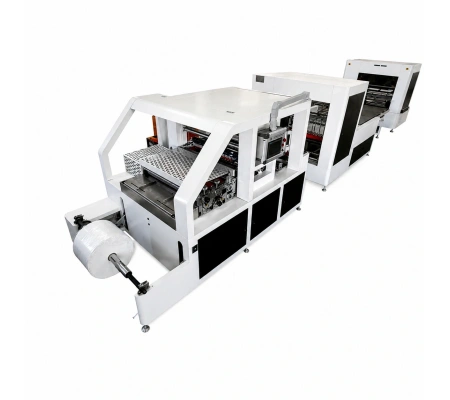
Max. Media Pleating Width: 700 mm
Pleat Depth Range: 16–100 mm
Maximum Pleating Speed: 8–10 m/min
Hot Melt Nozzle Pitch: 25.4 mm
Online Slitting Cutters: 5 pcs

Quick response within 24 hours

Expert advice tailored to your needs

End-to-end support for your success