
News

Contents
A filter making machine processes filter materials through several connected production steps. In most cases, filter media is first fed into the equipment, then pleated, bonded, cut, formed, cured, assembled, and inspected before becoming a finished or semi-finished filter element.
The exact process depends on the filter type. HEPA filters, HVAC filters, automotive air filters, cabin filters, PU air filters, truck air filters, and industrial filters may all use filter media, but their structures and production methods are not the same. This is why different filters often need different machine combinations.
From a production point of view, a filter making machine is not only used to improve speed. Its main role is to help each production step remain stable, so the filter media shape, pleat structure, bonding position, size, sealing quality, and final appearance can stay consistent.
1. Feeding
Filter media enters the equipment from roll or sheet material.
2. Pleating
The media is folded to increase filtration area and keep a regular structure.
3. Bonding
Glue, PU material, strips, or welding methods help fix the filter structure.
4. Forming
The filter media is cut, shaped, framed, molded, or assembled.
5. Testing
The finished filter is checked for size, resistance, sealing, and appearance.
Filter production usually starts with filter media feeding and unwinding. The raw material may be filter paper, non-woven fabric, fiberglass media, synthetic fiber media, activated carbon media, wire mesh, or composite media. These materials are commonly supplied in rolls and need to be fed into the machine smoothly.
Stable feeding is important because the later pleating and cutting processes depend on the position and tension of the filter media. If the material is pulled unevenly, the pleat height may become unstable, the media may shift sideways, or the finished filter size may become inconsistent.
Why Feeding Stability Matters
For this reason, the feeding section is not just a simple material holder. It is the starting point of the whole filter manufacturing process. Good feeding control makes the following pleating, gluing, and forming steps easier to manage.
Filter pleating is one of the most important steps in filter manufacturing. The filter media is folded into repeated pleats, allowing a larger filtration area to fit within a limited filter size. This structure is widely used in HEPA filters, HVAC filters, cabin filters, air filters, truck air filters, and many industrial filters.
Pleating affects more than appearance. It can influence airflow resistance, dust holding capacity, media stability, and product consistency. If the pleats are uneven, too loose, or not properly supported, the filter may deform during assembly or use.
| Pleating Factor | What It Affects | Why It Matters |
|---|---|---|
| Pleat Height | Filter area and product size | Affects how much media can be placed inside the filter frame. |
| Pleat Spacing | Airflow distribution and appearance | Helps keep the filter structure regular and easier to assemble. |
| Media Tension | Folding stability | Reduces wrinkles, deformation, and uneven pleat lines. |
| Heating or Creasing | Pleat memory and media shape | Helps some materials maintain a more stable folded structure. |
In many filter production lines, the pleating machine works together with glue application, cutting, or stacking equipment. For high-efficiency filters such as HEPA filters, pleat accuracy and spacing control are especially important because small structural changes can affect filtration performance and leakage control.
After the filter media is pleated or positioned, many filters need gluing and bonding to hold the structure in place. Bonding can help fix the pleats, connect the media with the frame, seal the edges, or assemble the filter with other parts.
Different filters use different bonding methods. The choice depends on the filter material, working environment, sealing requirement, production speed, and final product structure.
Hot Melt Gluing
Commonly used for pleat separation, edge sealing, and frame bonding in air filters, HVAC filters, and HEPA filter production.
PU Gluing or PU Foaming
Often used for PU air filters or filters that need a molded sealing edge, soft frame, or elastic sealing structure.
Strip Bonding
Used to support pleated media, maintain pleat spacing, or strengthen the filter pack before assembly.
Ultrasonic Welding
Suitable for some synthetic materials, non-woven media, or filter structures that can be bonded without traditional glue.
The bonding process is closely related to filter sealing quality. A filter may look complete from the outside, but if the bonding area is uneven or the sealing is weak, air or liquid may bypass the filter media. That is why bonding equipment is often matched carefully with the filter structure.
Once the filter media has been pleated and bonded, the next steps usually include cutting, forming, and curing. These processes help turn the processed media into the required filter size and final structure.
Cutting is used to control the length, width, height, or shape of the filter media. Forming is used when the filter needs a frame, end cap, mesh support, gasket, molded edge, or special structure. Curing is used when glue, PU material, or other bonding materials need time or heat to become stable.
How These Rear Processes Affect the Finished Filter
These rear processes are important because many filter quality problems appear after assembly, not during media feeding. For example, inaccurate cutting can cause size deviation, weak bonding can cause leakage, and insufficient curing can lead to deformation or poor sealing strength.
After a filter is produced, testing and inspection help confirm whether the finished product meets the required structure and performance level. The testing method depends on the filter type and application.
Some filters only need basic appearance and size checks. Other filters, especially HEPA filters, HVAC filters, truck air filters, and industrial filters, may require airflow resistance testing, leakage inspection, sealing checks, or product consistency review.
| Testing Item | What It Checks | Why It Is Needed |
|---|---|---|
| Airflow Resistance | Pressure drop when air passes through the filter | Helps evaluate whether the filter structure allows proper airflow. |
| Sealing Quality | Bonding area, frame edge, gasket, or end cap seal | Reduces the risk of bypass leakage around the filter media. |
| Size Accuracy | Length, width, height, diameter, or installation size | Ensures the filter can fit the required housing or installation position. |
| Appearance Consistency | Pleat shape, glue line, frame surface, edge condition | Helps identify visible production defects before packaging. |
Testing is the final connection between production and application. It helps confirm that the previous steps, including media feeding, pleating, bonding, cutting, forming, and curing, have produced a filter that is consistent in both structure and function.
In simple terms, filter making machine processing is a step-by-step conversion process: raw filter media becomes a pleated structure, the structure is bonded and formed, and the finished filter is checked before use or delivery.
If there are still questions about different types of filter making machines, filter production processes, or how different machine types are connected, MOER Machinery can provide further technical explanation based on the specific filter product and production method.
MOER Machinery focuses on filter making machine solutions for HEPA filters, HVAC filters, cabin filters, PU air filters, truck air filters, pocket filters, spin-on oil filters, hydraulic filters, high flow filter cartridges, and other industrial filter products.
Contact Us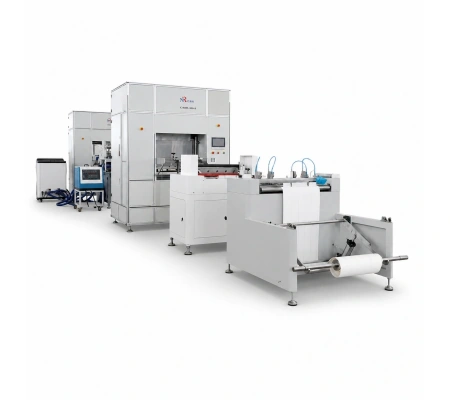
Pleating Height: 100–400 mm
Pleating Speed: 0–200 pleats/min
Max. Media Width: 700 mm
Max. Product Width: ≤650 mm
Production Capability: 25 m/min
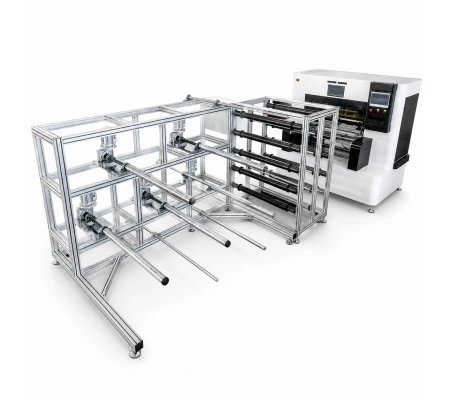
Working Width Range: 700–3000 mm
Pleating Height Range: 4–150 mm
Pleating Speed: Up to 400 pleats/min
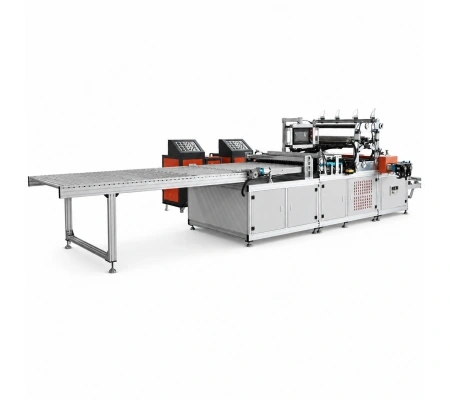
Max. Media Pleating Width: 1300 mm
Pleat Depth Range: 25–300 mm
Maximum Pleating Speed: 8–10 m/min
Hot Melt Nozzle Pitch: 25.4 mm
Online Slitting Cutters: 5 pcs
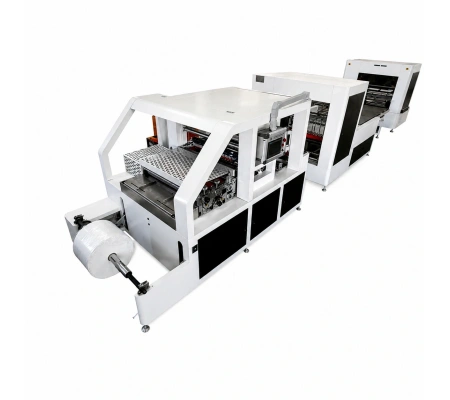
Max. Media Pleating Width: 700 mm
Pleat Depth Range: 16–100 mm
Maximum Pleating Speed: 8–10 m/min
Hot Melt Nozzle Pitch: 25.4 mm
Online Slitting Cutters: 5 pcs

Quick response within 24 hours

Expert advice tailored to your needs

End-to-end support for your success