News

Questions Covered in This Guide
Filter making machines are industrial machines used to produce filter media, filter elements, and finished filter products. Common types include filter pleating machines, filter assembly machines, gluing and sealing machines, cartridge filter making machines, air filter production lines, pocket filter machines, filter media production machines, and testing equipment.
These machines are not all used for the same purpose. Some machines process raw filter media, some fold the media into pleats, some bond or weld parts together, and others assemble frames, end caps, gaskets, cartridges, or housings. The machine type depends on the filter structure and the production process.
For example, a HEPA filter may need mini-pleating, hot melt gluing, frame assembly, sealing, and leakage testing. An automotive air filter may need pleating, PU molding, curing, and trimming. A cartridge filter may need media forming, end cap bonding, welding, assembly, and testing. This is why “filter making machine” is a broad term rather than one single machine.
The main types of filter making machines can be grouped by their production function. This classification is easier to understand because most filter products are made through several connected steps: media preparation, pleating, bonding, cutting, forming, assembly, sealing, and testing.
| Machine Category | Main Function | Common Filter Products |
|---|---|---|
| Filter Pleating Machines | Fold filter paper, non-woven fabric, fiberglass media, or mesh into pleats. | HEPA filters, HVAC filters, cabin filters, air filters, truck air filters |
| Filter Assembly Machines | Assemble media, frames, end caps, gaskets, housings, springs, or support parts. | Cartridge filters, oil filters, fuel filters, hydraulic filters, air filters |
| Gluing and Sealing Machines | Apply hot melt glue, PU glue, epoxy, adhesive strips, or sealing material. | HEPA filters, PU air filters, HVAC filters, cartridge filters |
| Ultrasonic Welding Machines | Weld synthetic media, non-woven materials, seams, or plastic parts without traditional glue. | Pocket filters, medical filters, cleanroom filters, synthetic media filters |
| Cartridge Filter Making Machines | Form, weld, bond, and assemble pleated or cylindrical cartridge filters. | Water filters, hydraulic filters, oil filters, gas filters, high flow cartridges |
| Air Filter Production Lines | Connect pleating, gluing, cutting, frame forming, PU molding, or assembly processes. | Automotive air filters, HVAC filters, cabin filters, truck air filters |
| Pocket and Bag Filter Machines | Cut, weld, sew, or assemble filter pockets and industrial filter bags. | HVAC pocket filters, baghouse filters, dust collection bags |
| Filter Media Production Machines | Produce or process melt-blown media, spun fibers, wire mesh, or wound filter media. | PP cartridges, melt-blown filters, string-wound filters, mesh filters |
| Testing and Auxiliary Equipment | Cut, slit, inspect, leak test, resistance test, or support production flow. | HEPA filters, air filters, cartridge filters, industrial filters |
A filter pleating machine is used to fold flat filter media into repeated pleats. Pleating increases the filter media area inside a limited product size, so it is one of the most common processes in filter manufacturing.
Pleating machines can process different materials, including filter paper, fiberglass media, synthetic fiber media, non-woven fabric, activated carbon media, and some mesh-supported materials. The pleating result affects filter area, airflow distribution, product appearance, and later assembly stability.
What Filter Pleating Machines Usually Control
Pleating machines are commonly used for HEPA filters, HVAC filters, cabin filters, automotive air filters, truck air filters, industrial air filters, and cartridge filters. The exact machine design depends on the filter media, pleat height, production speed, and product structure.
Filter pleating machines can be divided into several types according to the folding method. The three common types are knife pleating machines, rotary pleating machines, and mini-pleat machines.
| Pleating Machine Type | How It Works | Common Use |
|---|---|---|
| Knife Pleating Machine | Uses blade or knife movement to form repeated folds in filter media. | Air filters, HVAC filters, truck filters, filters with medium or deep pleats |
| Rotary Pleating Machine | Uses rotary rollers or wheel-based forming for continuous pleating. | High-speed pleating, continuous media processing, general air filter production |
| Dimple Rotary Pleating Machine | Creates dimples or spacing structures while pleating the media. | Filters that need built-in spacing support without separate separators |
| Mini-Pleat Machine | Produces compact pleated media packs with small and accurate pleat spacing. | HEPA filters, ULPA filters, cleanroom filters, compact filters |
Mini-pleat machines are especially important for HEPA filter production because the pleat pack needs accurate spacing and stable support. Hot melt glue lines are often applied during mini-pleating to keep the media separated and prevent pleat collapse.
Filter assembly and sealing machines are used after the media has been prepared or pleated. Their role is to connect filter media with frames, end caps, gaskets, mesh, housings, or other parts, and to reduce leakage around the filter structure.
Assembly and sealing are important because a filter does not only rely on the media itself. If the frame, end cap, seam, or bonding area is weak, air or liquid may bypass the filter media and reduce real filtration performance.
Hot Melt Gluing Machine
Applies hot melt adhesive for pleat support, frame bonding, or filter pack sealing.
PU Gluing or Molding Machine
Forms soft PU edges or molded sealing structures for automotive and engine air filters.
Ultrasonic Welding Machine
Uses ultrasonic energy to weld synthetic media, seams, plastic parts, or non-woven filter materials.
End Cap Bonding Machine
Bonds or fixes end caps to cartridge filters, oil filters, hydraulic filters, or truck filters.
Some automated assembly systems may also include feeding, positioning, pressing, curing, inspection, and unloading. In high-volume production, these processes can be connected into a semi-automatic or automatic filter assembly line.
Cartridge filter making machines are used to produce cylindrical or pleated cartridge filters. These filters are widely used in water treatment, hydraulic systems, oil filtration, gas filtration, dust collection, and industrial liquid filtration.
Cartridge filter production may include pleating, forming, rolling, welding, center tube assembly, end cap bonding, gasket installation, curing, and testing. The process depends on whether the cartridge is pleated, melt-blown, string-wound, wire mesh, or high-flow type.
Common Cartridge Filter Machine Types
Cartridge filters often need stronger structural support than simple panel filters because they may work under liquid flow, pressure, or industrial operating conditions. This is why assembly, end cap bonding, and testing equipment are important in cartridge filter production.
An air filter production line is a group of machines used to produce air filtration products. It may include filter media feeding, pleating, gluing, cutting, frame assembly, PU molding, curing, trimming, sealing, and testing.
Air filter production lines are commonly used for automotive air filters, cabin filters, HVAC panel filters, truck air filters, generator filters, and industrial air filters. Different products require different line configurations.
| Air Filter Type | Common Machines | Main Production Focus |
|---|---|---|
| HEPA Filter | Mini-pleat machine, hot melt gluing machine, cutting machine, frame assembly, leakage testing | Pleat accuracy, glue spacing, sealing, leakage control |
| HVAC Filter | Pleating machine, cutting machine, frame forming machine, sealing equipment | Frame size, airflow resistance, batch consistency |
| Cabin Filter | Pleating machine, slitting machine, cutting machine, side sealing or bonding equipment | Compact size accuracy, neat pleats, clean edges |
| PU Air Filter | Pleating equipment, PU dispensing machine, mold system, curing oven, trimming equipment | PU edge forming, mold matching, curing stability |
| Truck Air Filter | Heavy-duty pleating machine, mesh assembly equipment, end cap bonding equipment, testing machine | Structural strength, sealing, large-size consistency |
Pocket filter machines are used to produce pocket filters for HVAC and ventilation systems. These filters usually contain multiple filter pockets or bags fixed into a frame. The production process may include media cutting, pocket forming, ultrasonic welding, sewing, frame assembly, and inspection.
Filter bag making machines are used for industrial dust collection bags and baghouse filters. These products often require fabric cutting, sewing or welding, ring or collar assembly, and seam inspection.
Pocket Filter Machine
Used for HVAC pocket filters that need multiple filter pockets, stable seams, and frame assembly.
Baghouse Filter Bag Machine
Used for industrial filter bags that need fabric cutting, sewing, welding, and collar assembly.
Seam Welding or Sewing Equipment
Helps form strong seams that affect filter bag strength and service life.
Some machines are used not to assemble finished filters, but to produce or process the filter media itself. These are called filter media production machines. They are used for materials such as melt-blown media, spun fibers, string-wound media, wire mesh, or composite filter layers.
| Machine Type | What It Produces | Common Application |
|---|---|---|
| Melt-Blown Filter Machine | Melt-blown polypropylene filter media or cartridge structures. | Water filtration, air filtration, PP filter cartridges |
| String-Wound Filter Machine | Wound filter cartridges made from yarn or fiber materials. | Water treatment, industrial liquid filtration |
| Wire Mesh Filter Machine | Formed, cut, welded, or rolled wire mesh filter elements. | Oil filtration, hydraulic filtration, gas filtration, industrial filtration |
| Composite Media Processing Machine | Layered or combined filter media structures. | High-efficiency air filters, industrial filters, specialty filtration products |
Filter media production machines are different from filter assembly equipment. They focus on the material layer or media structure, while assembly machines focus on turning that media into a complete filter product.
Besides the main production machines, filter factories often use auxiliary equipment for cutting, slitting, curing, testing, conveying, and inspection. These machines support product size accuracy, process stability, and final quality control.
| Auxiliary Equipment | Main Function | Why It Matters |
|---|---|---|
| Slitting Machine | Cuts wide filter media into narrower widths. | Helps prepare media for different filter sizes. |
| Cutting Machine | Cuts media, pleated packs, or filter parts to required dimensions. | Affects assembly fit, edge quality, and size consistency. |
| Curing Oven | Helps adhesive, PU material, or sealing parts reach stable strength. | Reduces weak bonding, deformation, or unstable sealing. |
| Leak or Bubble Testing Machine | Checks whether the filter has leakage or integrity problems. | Important for filters where sealing performance affects actual use. |
| Resistance Testing Machine | Measures airflow resistance or pressure drop. | Helps verify whether the filter works within the expected airflow range. |
Different types of filter making machines can be classified in two practical ways: by production process and by final filter product.
Classification by Production Process
This method groups machines by what they do, such as pleating, gluing, cutting, welding, forming, assembling, curing, or testing.
Classification by Filter Product
This method groups machines by the filter they produce, such as HEPA filters, HVAC filters, air filters, cabin filters, cartridge filters, pocket filters, or industrial filters.
For simple products, one or two machines may complete the main process. For more complex products, several machines may be connected into a complete filter production line. A filter production line is not just a larger machine; it is a process system that combines media handling, forming, bonding, assembly, sealing, and inspection.
In simple terms, different filter making machines solve different production problems. Pleating machines fold the media, gluing and welding machines fix or seal the structure, assembly machines combine parts, media production machines create filter materials, and testing machines check the final product.
If there are still questions about different types of filter making machines, filter production processes, or how different machine types are connected, MOER Machinery can provide further technical explanation based on the specific filter product and production method.
MOER Machinery focuses on filter making machine solutions for HEPA filters, HVAC filters, cabin filters, PU air filters, truck air filters, pocket filters, spin-on oil filters, hydraulic filters, high flow filter cartridges, and other industrial filter products.
Contact Us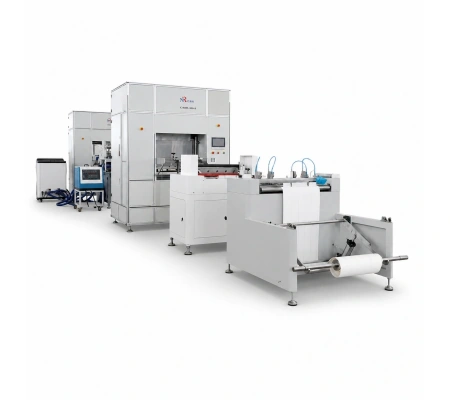
Pleating Height: 100–400 mm
Pleating Speed: 0–200 pleats/min
Max. Media Width: 700 mm
Max. Product Width: ≤650 mm
Production Capability: 25 m/min
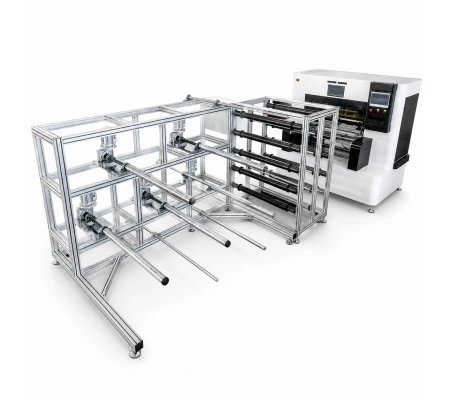
Working Width Range: 700–3000 mm
Pleating Height Range: 4–150 mm
Pleating Speed: Up to 400 pleats/min
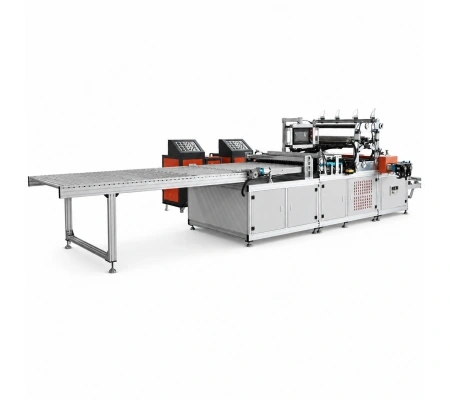
Max. Media Pleating Width: 1300 mm
Pleat Depth Range: 25–300 mm
Maximum Pleating Speed: 8–10 m/min
Hot Melt Nozzle Pitch: 25.4 mm
Online Slitting Cutters: 5 pcs
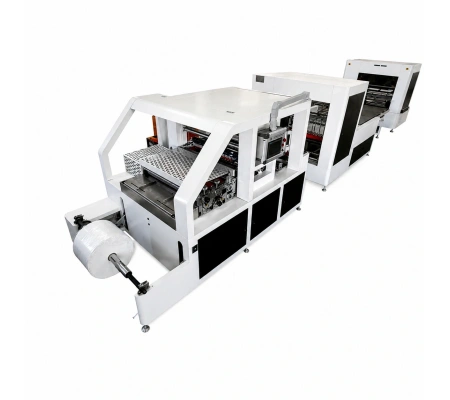
Max. Media Pleating Width: 700 mm
Pleat Depth Range: 16–100 mm
Maximum Pleating Speed: 8–10 m/min
Hot Melt Nozzle Pitch: 25.4 mm
Online Slitting Cutters: 5 pcs

Quick response within 24 hours

Expert advice tailored to your needs

End-to-end support for your success