
News

Questions Covered in This Guide
Pleat height affects media area, airflow resistance, filter thickness, dust holding capacity, and whether the pack fits the final frame, housing, or cartridge.
In filter production, pleat height means the depth of each fold in the filter media. It affects how much media can be placed inside the filter and whether the pleated pack can stay stable during cutting, bonding, framing, rolling, or sealing.
A suitable pleat height is not simply the highest possible value. It should match the filter type, media stiffness, pleat spacing, flow requirement, and final product size.
Higher pleats can place more filter media inside the same outer size, but the added media must still be usable. If pleats are too tall and too close together, air or fluid may not fully enter the deep part of the pleat channel.
| Pleat Height Factor | Effect on Filter Production |
|---|---|
| Media Area | Deeper pleats can add media area, but only if the channels remain open. |
| Flow Path | Pleat spacing must allow air or fluid to reach the media surface evenly. |
| Pressure Drop | Crowded or collapsed pleats can increase resistance instead of improving flow. |
| Particle Holding Space | More usable media area can help the filter hold particles, but media type and application conditions still matter. |
Higher pleats may increase media area, but they can also create dead zones, unstable folds, or assembly problems if the pleat spacing, media stiffness, or support method is not suitable.
Too High for Pleat Spacing
Pleat channels become narrow, so part of the media may not be used effectively.
Too High for Media Stiffness
The media may bend, rebound, bow, or collapse during handling or use.
Too High for Product Depth
The pleated pack may be compressed when placed into the frame, housing, or cartridge.
Lower pleats are not always worse. For compact filters, shallow frames, cabin filters, or limited installation spaces, a lower pleat height may be easier to assemble and seal.
Pleat height should be understood through actual filter structures. Different filters may use different pleat depths because their media, frame depth, flow path, and assembly method are different.
| Filter Type | Pleat Height Concern |
|---|---|
| Cabin Filter | Must fit a shallow frame and avoid media compression during assembly. |
| Mini Pleat HEPA Filter | Needs stable spacing, glue support, and even pleat channels in a compact frame. |
| Hydraulic Filter | Needs enough media depth but must remain stable during cartridge forming and end-cap bonding. |
| Air Filter | Needs a balance between media area, airflow resistance, pleat spacing, and frame depth. |
| Oil or Fuel Filter | Pleat height must match media strength, flow direction, center tube space, and sealing structure. |
Pleat height must match the later assembly process. A pleated pack may look correct after folding, but still cause problems if it does not fit the frame, end cap, support mesh, or sealing area.
| Assembly Step | Why Pleat Height Matters |
|---|---|
| Cutting | Unstable pleats may shift during cutting, causing uneven pack size. |
| Frame Assembly | If pleats are too high, the pack may be compressed and the edge glue or sealing area may become uneven. |
| Cartridge Forming | For cylindrical filters, pleat height affects rolling, alignment, center tube space, and end-cap bonding. |
| Sealing | If the pleated pack is not flat or stable, gaps may appear near the frame edge or sealing area. |
Pleat height should be decided after checking the filter product, media properties, flow requirement, and assembly structure. The goal is to keep enough media area without losing stable flow paths or assembly fit.
Pleat Height Selection Checklist
In simple terms, pleat height should be high enough to provide useful media area, but stable enough to keep open flow paths and fit the final filter structure.
No. Higher pleats may increase media area, but they can also create narrow channels, unstable folds, or assembly problems if spacing and support are not suitable.
If pleat height is too high for the spacing or media stiffness, pleats may crowd, bend, collapse, or create unused media areas.
Yes. Pleat height changes the flow path. Proper spacing can help flow distribution, while crowded or collapsed pleats can increase resistance.
No. Different filter media, frame sizes, cartridge structures, and flow requirements may need different pleat heights.
Check the media, pleat spacing, outer size, flow requirement, assembly fit, and test result before finalizing the pleat height.
If there are still questions about pleat height, pleat spacing, filter media behavior, or filter production process design, MOER Machinery can provide further technical explanation based on specific filter products and production requirements.
MOER Machinery focuses on filter making machine solutions for HEPA filters, mini pleat filter media, cabin filters, PU air filters, truck air filters, spin-on oil filters, hydraulic filters, high flow filter cartridges, pocket filters, air filters, and other industrial filter products.
Contact Us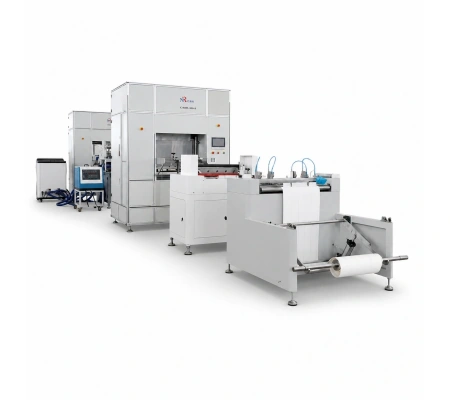
Pleating Height: 100–400 mm
Pleating Speed: 0–200 pleats/min
Max. Media Width: 700 mm
Max. Product Width: ≤650 mm
Production Capability: 25 m/min
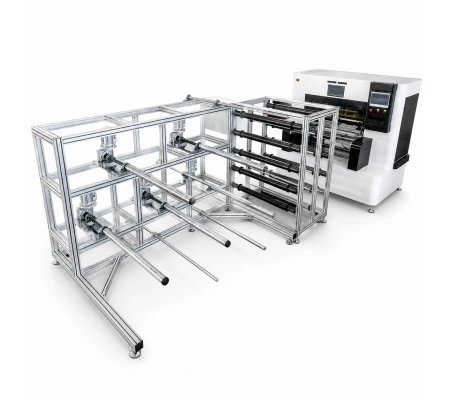
Working Width Range: 700–3000 mm
Pleating Height Range: 4–150 mm
Pleating Speed: Up to 400 pleats/min
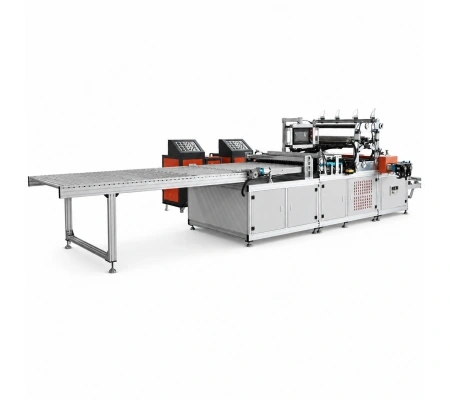
Max. Media Pleating Width: 1300 mm
Pleat Depth Range: 25–300 mm
Maximum Pleating Speed: 8–10 m/min
Hot Melt Nozzle Pitch: 25.4 mm
Online Slitting Cutters: 5 pcs
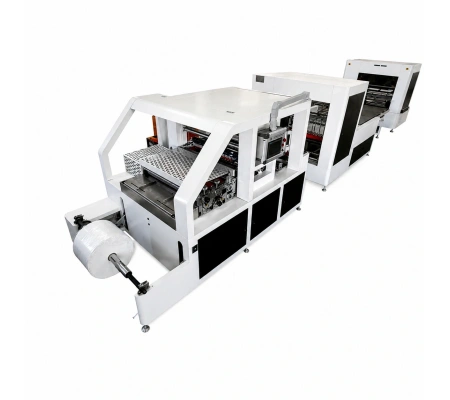
Max. Media Pleating Width: 700 mm
Pleat Depth Range: 16–100 mm
Maximum Pleating Speed: 8–10 m/min
Hot Melt Nozzle Pitch: 25.4 mm
Online Slitting Cutters: 5 pcs

Quick response within 24 hours

Expert advice tailored to your needs

End-to-end support for your success