
News

Questions Covered in This Guide
Hot melt glue is used in filter manufacturing to stabilize pleats, separate spacing, bond media edges, seal frames, and support assembly without blocking airflow paths.
In filter production, glue is not used only for “sticking parts together.” It may help keep pleats in shape, hold media in a frame, seal the edge area, fix support strips, or reduce bypass paths around the filter pack.
Hot melt glue is common in mini pleat HEPA filters because continuous glue beads can keep narrow pleats evenly spaced. In other filter products, different adhesives may be used for end caps, frames, seams, gaskets, edge bonding, or structural support.
In mini pleat filters, hot melt glue lines are applied between pleats to keep the media evenly separated. Without stable spacing, narrow pleats may crowd together, collapse, or create uneven airflow paths.
| Glue Spacing Function | Meaning in Filter Production |
|---|---|
| Separate Pleats | Keeps closely folded media from pressing against itself. |
| Maintain Air Channels | Helps air pass through the pleated pack instead of being blocked by collapsed folds. |
| Support Pleat Shape | Helps the filter pack keep a stable structure during cutting, framing, and sealing. |
| Reduce Uneven Packing | Makes the media pack easier to assemble into a consistent frame size. |
Glue spacing is especially important for compact filter packs, such as mini pleat HEPA filters, where many narrow pleats must stay open inside a limited frame depth.
Adhesive can be applied to different positions in filter assembly, depending on the filter structure. Not every position uses hot melt glue, and not every filter needs the same bonding method.
Pleat Pack
Used to fix pleat spacing, support the folded media, or keep the pack stable before framing.
Media Edges
Used for edge bonding so the media pack keeps its shape during handling and assembly.
Filter Frame
Used to bond the pleated media to the frame and reduce movement inside the filter body.
End Caps
Used in cartridge, oil, fuel, or hydraulic filters to connect media packs with end-cap structures.
Seams and Joints
Used to close connection points where air or fluid may bypass the filter media.
Gaskets or Support Strips
Used when the filter design requires extra sealing support or structural positioning.
In simple terms, adhesive is used where the filter needs spacing, bonding, sealing, or structural support. The correct adhesive depends on the filter material and working condition.
Hot melt glue is widely used in filter manufacturing, but it is not the only adhesive option. Some filters may use PU adhesive, epoxy, sealant, pressure-sensitive adhesive, or other bonding materials depending on the filter type.
| Adhesive or Bonding Material | Common Use in Filter Manufacturing | Selection Note |
|---|---|---|
| Hot Melt Glue | Mini pleat spacing, edge bonding, frame bonding, support strips. | Often selected for fast bonding and stable bead application. |
| PU Adhesive | PU air filters, molded frames, flexible sealing areas. | Used when the filter design needs a molded or flexible structure. |
| Epoxy or Potting Material | End caps, cartridge filters, sealing areas, structural bonding. | Often selected when stronger sealing or chemical resistance is required. |
| Sealant | Frame sealing, gasket areas, bypass control, joint filling. | Used when sealing performance is more important than simple bonding. |
For example, hot melt glue may be suitable for mini pleat spacing, while PU or epoxy materials may be used in filters that require molded frames, end-cap bonding, or stronger sealing. The adhesive should match the product structure rather than being selected by name alone.
Before choosing filter adhesive, the filter material, bonding position, operating temperature, curing behavior, flexibility, odor requirement, and working environment should be checked.
Filter Adhesive Checklist
The adhesive should be tested with the actual media, frame, and production process. A bonding material that works well in one filter may not be suitable for another filter with different media, temperature, or assembly requirements.
No. Hot melt glue is common in mini pleat spacing, but it can also be used for edge bonding, frame bonding, support strips, and some filter assembly positions.
Glue lines keep the pleats evenly separated, help maintain airflow channels, and support the compact pleated pack during framing and sealing.
No. Filter material, temperature, chemical exposure, bonding position, flexibility, and sealing requirement may all affect adhesive selection.
Bonding connects parts together, while sealing helps reduce bypass paths around the filter media, frame, seams, or joints.
If there are still questions about hot melt glue, adhesive application, mini pleat spacing, or filter assembly processes, MOER Machinery can provide further technical explanation based on specific filter products and production requirements.
MOER Machinery focuses on filter making machine solutions for HEPA filters, mini pleat filter media, cabin filters, PU air filters, truck air filters, spin-on oil filters, hydraulic filters, high flow filter cartridges, pocket filters, air filters, and other industrial filter products.
Contact Us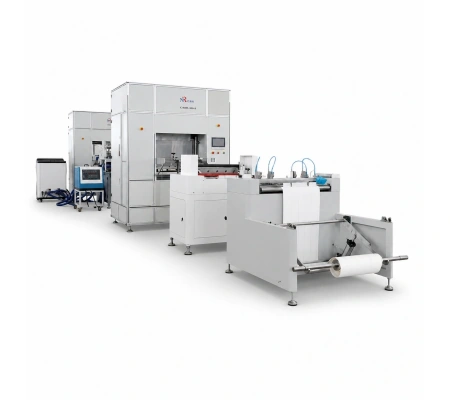
Pleating Height: 100–400 mm
Pleating Speed: 0–200 pleats/min
Max. Media Width: 700 mm
Max. Product Width: ≤650 mm
Production Capability: 25 m/min
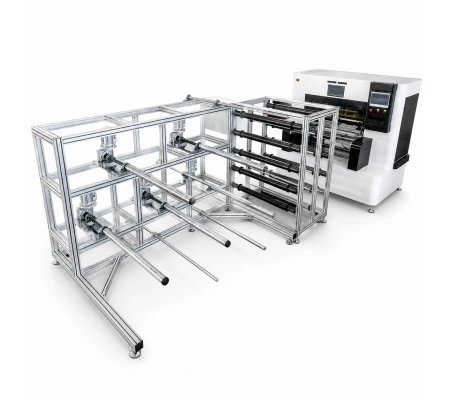
Working Width Range: 700–3000 mm
Pleating Height Range: 4–150 mm
Pleating Speed: Up to 400 pleats/min
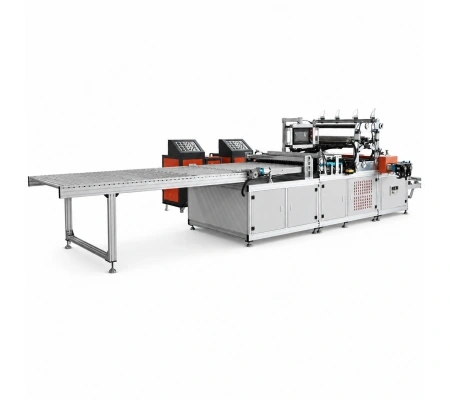
Max. Media Pleating Width: 1300 mm
Pleat Depth Range: 25–300 mm
Maximum Pleating Speed: 8–10 m/min
Hot Melt Nozzle Pitch: 25.4 mm
Online Slitting Cutters: 5 pcs
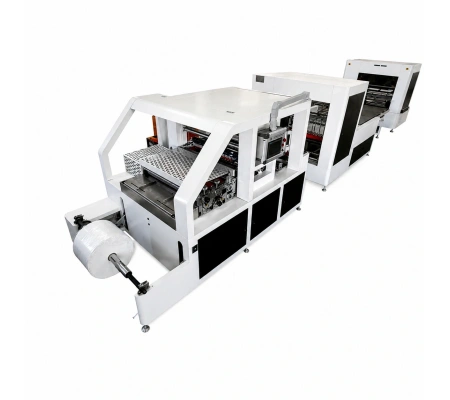
Max. Media Pleating Width: 700 mm
Pleat Depth Range: 16–100 mm
Maximum Pleating Speed: 8–10 m/min
Hot Melt Nozzle Pitch: 25.4 mm
Online Slitting Cutters: 5 pcs

Quick response within 24 hours

Expert advice tailored to your needs

End-to-end support for your success