
News

Questions Covered in This Guide
Mini pleat and deep pleat HEPA filters differ mainly in spacer structure: mini pleat uses hot-melt glue beads, while deep pleat uses paper or aluminum separators.
Both filters use pleated media for high-efficiency air filtration, but the internal support method is different. A mini pleat HEPA filter uses adhesive spacing to hold narrow pleats in a compact pack. A deep pleat HEPA filter uses separator materials to keep deeper pleat channels open.
This difference affects filter depth, weight, airflow path, handling, installation space, and suitable working conditions. It does not mean one type is always better. The right choice depends on the system design and filter specification.
A mini pleat HEPA filter is built with closely spaced pleated media, hot melt glue beads, a compact frame, and sealing material around the media pack.
The main feature of mini pleat construction is that it can arrange more media surface inside a thinner frame design, depending on filter depth, airflow requirement, and pressure drop limit.
A deep pleat HEPA filter uses deeper media folds and separator materials to maintain airflow channels. The separators are commonly made from aluminum foil, paper, or other suitable spacing materials.
Compared with mini pleat construction, a deep pleat HEPA filter usually has a deeper media pack. The separator structure supports the folds, keeps air channels open, and allows the filter to match systems designed for deeper filter housings.
Deeper Media Folds
The filter pack uses deeper pleats rather than a thin compact pack.
Separator Support
Separators keep adjacent media folds apart and help form airflow channels.
Deeper Filter Body
This structure is used when the system can accept or requires a deeper filter body.
The following comparison focuses on structure, spacer material, installation depth, and application fit. These points are more useful than simply saying one structure is better than the other.
| Comparison Point | Mini Pleat HEPA Filter | Deep Pleat HEPA Filter |
|---|---|---|
| Spacer Material | Hot melt glue beads or adhesive spacing lines. | Aluminum foil, paper, or other separator materials. |
| Pleat Support | Glue spacing keeps closely arranged pleats open. | Separators support deeper folds and airflow channels. |
| Filter Depth | Usually more compact and suitable for thinner frame designs. | Usually deeper and needs more installation depth. |
| Airflow Channel | Narrow pleat channels are maintained by adhesive spacing. | Larger channels are formed by separator-supported folds. |
| Installation Space | More suitable when compact installation depth is important. | More suitable when deeper filter space is available or required. |
| Typical Use | Air purifiers, FFUs, cleanroom modules, ceiling filtration units, compact final filtration sections. | Industrial ventilation systems, high-airflow air handling units, deeper filter housings, and systems designed for separator-type HEPA filters. |
Mini pleat HEPA filters are usually easier to fit into compact equipment because the pleated media can be arranged in a thinner frame with glue spacing support.
This is why mini pleat construction is often used in air purifiers, FFUs, ceiling filter modules, cleanroom terminal units, and compact final filtration systems. These applications usually need a balance between filter size, airflow, pressure drop, sealing, and media area.
Compact does not mean universally better. If a system is designed for a deeper filter structure, a deep pleat HEPA filter may still be the more suitable option.
A deep pleat HEPA filter is more suitable when the equipment is built for a deeper filter pack, when separator-supported airflow channels are required, or when the working environment needs stronger filter pack support.
Existing Deep Filter Housings
Used when the air handling system was originally designed for a deeper separator-type filter.
High-Airflow Air Handling Units
Used when the system design requires deeper airflow channels and sufficient installation depth.
Temperature or Moisture Conditions
Used in some special conditions when the filter media, frame, sealant, and separator materials are specified for that environment.
Robust Filter Pack Support
Used when the application prioritizes separator-supported structure over a thinner compact frame.
Deep pleat filters should not be described as outdated. They remain useful when their structure matches the air handling design, installation depth, environmental conditions, and maintenance requirements.
The filter name alone is not enough for selection. The same HEPA grade may use different frame depths, spacer designs, airflow capacities, and sealing methods.
The choice should start from the system requirement. Key factors include installation depth, airflow, pressure drop, sealing method, frame size, spacer structure, and operating environment.
| Selection Question | What It Helps Decide |
|---|---|
| Is the installation depth limited? | Mini pleat may be easier to fit when the filter frame must remain compact. |
| Does the system require a deeper filter structure? | Deep pleat may be more suitable when the housing and airflow path are designed for deeper filter packs. |
| What pressure drop is acceptable? | The filter should match the fan and air handling design instead of restricting the system. |
| What spacer structure is required? | Hot melt glue spacing and separator-supported channels create different internal structures. |
| What sealing method is needed? | Sealant, gasket, frame fit, and installation method affect bypass control. |
| What is the working environment? | Cleanroom, purifier, industrial, high-moisture, or special temperature conditions may require different filter construction. |
In simple terms, mini pleat HEPA filters are often selected for compact installation and dense media arrangement, while deep pleat HEPA filters are used when deeper separator-supported construction fits the system design.
No. Mini pleat filters are often better for compact spaces, but deep pleat filters may be more suitable when the system is designed for deeper separator-supported construction.
Mini pleat filters usually use hot melt glue beads or adhesive spacing lines, while deep pleat filters use paper, aluminum, or other separator materials.
No. Deep pleat HEPA filters are still used when the system is designed for deeper filter packs, separator-supported airflow channels, or specific industrial operating conditions.
Yes, mini pleat HEPA filters are commonly used in FFUs and compact cleanroom filtration modules, but the filter must match the required size, airflow, pressure drop, and sealing design.
Check filter size, installation depth, airflow, pressure drop, frame material, spacer type, sealing method, operating environment, and the required HEPA filter grade.
If there are still questions about mini pleat HEPA filters, deep pleat HEPA filters, pleated media structure, or filter production processes, MOER Machinery can provide further technical explanation based on specific filter products and production requirements.
MOER Machinery focuses on filter making machine solutions for HEPA filters, mini pleat filter media, cabin filters, PU air filters, truck air filters, spin-on oil filters, hydraulic filters, high flow filter cartridges, pocket filters, air filters, and other industrial filter products.
Contact Us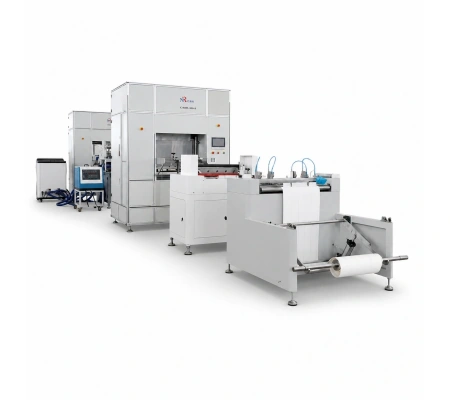
Pleating Height: 100–400 mm
Pleating Speed: 0–200 pleats/min
Max. Media Width: 700 mm
Max. Product Width: ≤650 mm
Production Capability: 25 m/min
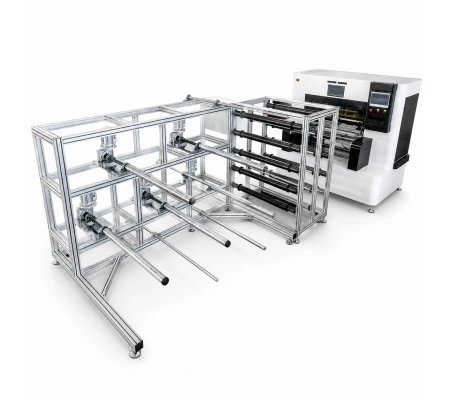
Working Width Range: 700–3000 mm
Pleating Height Range: 4–150 mm
Pleating Speed: Up to 400 pleats/min
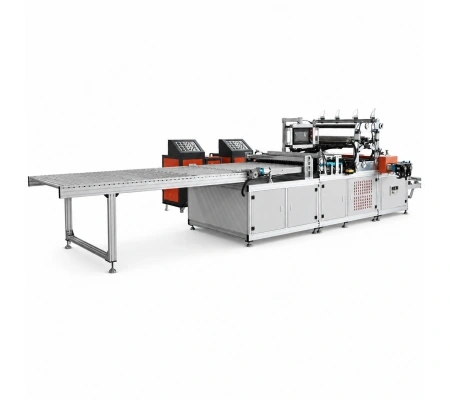
Max. Media Pleating Width: 1300 mm
Pleat Depth Range: 25–300 mm
Maximum Pleating Speed: 8–10 m/min
Hot Melt Nozzle Pitch: 25.4 mm
Online Slitting Cutters: 5 pcs
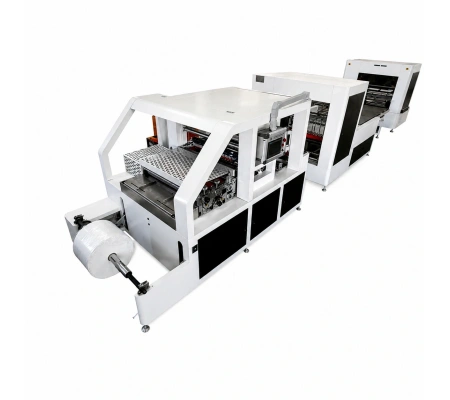
Max. Media Pleating Width: 700 mm
Pleat Depth Range: 16–100 mm
Maximum Pleating Speed: 8–10 m/min
Hot Melt Nozzle Pitch: 25.4 mm
Online Slitting Cutters: 5 pcs

Quick response within 24 hours

Expert advice tailored to your needs

End-to-end support for your success