News

Questions Covered in This Guide
A cabin air filter cleans air entering the passenger compartment, while an engine air filter cleans intake air before it reaches the engine combustion system.
The two filters may both use pleated media, but their working positions and performance goals are different. A cabin filter is related to vehicle interior air quality, airflow comfort, dust, pollen, odor control, and fine particle filtration. An engine air filter is related to engine intake protection, dust blocking, airflow stability, and resistance to operating conditions under the hood.
Because their materials, shapes, sealing methods, installation positions, and performance requirements are different, cabin air filters and engine air filters cannot be used interchangeably.
| Comparison Point | Cabin Air Filter | Engine Air Filter |
|---|---|---|
| Main Function | Filters air entering the vehicle interior through the HVAC system. | Filters air entering the engine intake system before combustion. |
| Protection Target | Passenger compartment air path. | Engine intake and combustion system. |
| Common Focus | Dust, pollen, fine particles, odor control, and cabin airflow. | Dust blocking, debris protection, intake airflow, and engine operating stability. |
| Typical Structure | Flat or compact pleated filter pack, sometimes with activated carbon or composite media. | Rugged pleated filter element, often with stronger sealing edge, frame, or molded structure. |
| Can They Be Interchanged? | No. It is designed for the cabin HVAC housing. | No. It is designed for the engine intake system. |
A cabin air filter filters outside air before it enters the passenger compartment through the heating, ventilation, or air-conditioning system.
Particle Filtration
It captures dust, pollen, fibers, road dust, and other airborne particles depending on media grade and filter design.
Cabin Air Comfort
It supports cleaner airflow inside the vehicle cabin and helps reduce visible dust entering the interior air path.
Odor Control Option
Activated carbon cabin filters may include a carbon layer when odor reduction or gas adsorption is part of the filter design.
Cabin air filters are usually compact because the HVAC housing space is limited. This is why pleat height, pleat spacing, strip bonding, edge trimming, and size accuracy are important in cabin filter production.
An engine air filter filters outside air before the air enters the engine intake system. Its main purpose is to help keep dust, sand, and debris away from the combustion air path.
Engine intake air moves through the filter before reaching the engine. If large dust or abrasive particles enter the intake system, they can affect engine components and combustion conditions. For this reason, the engine air filter usually needs a stronger structure and stable sealing around the filter edge.
In simple terms, the cabin air filter focuses on air entering the passenger area, while the engine air filter focuses on air entering the engine.
A cabin air filter is installed in the vehicle HVAC air path. Common positions include behind the glove box, under the dashboard, or near the windshield air intake area.
Its installation position is connected with the ventilation and air-conditioning system, not the engine intake. Air passes through the cabin filter before entering the dashboard vents and passenger compartment.
Cabin Filter Installation Features
An engine air filter is installed in the engine intake system, usually inside an air filter box connected to the intake duct under the hood.
Its position is designed to filter incoming air before the air continues toward the engine. Compared with a cabin filter, an engine air filter often needs stronger mechanical support, stable sealing, and media structure suitable for intake airflow and engine operating conditions.
Engine Air Filter Installation Features
Their structures are different because the airflow path, installation housing, filtration target, and working conditions are different.
| Structure Factor | Cabin Air Filter | Engine Air Filter |
|---|---|---|
| Filter Media | Non-woven media, synthetic media, activated carbon layers, electrostatic media, or composite media. | Filter paper, synthetic media, reinforced media, or intake air filtration media. |
| Pleat Design | Designed for compact HVAC housing and passenger air path. | Designed for intake airflow, dust holding, and engine protection. |
| Edge Structure | May use soft edge, frame edge, strip bonding, or edge sealing. | May use PU molding, rubber sealing, rigid frame, or reinforced edge design. |
| Shape Requirement | Often flat, thin, rectangular, or compact to fit the HVAC slot. | Can be panel-shaped, round, oval, cylindrical, or specially formed depending on intake housing. |
| Performance Focus | Cabin air quality, dust, pollen, odor control, airflow comfort. | Engine intake protection, airflow stability, dust separation, sealing reliability. |
This structural difference is also why the two products require different production processes. Even when both filters use pleated media, the media type, pleat height, trimming method, bonding method, and edge forming design may be very different.
Cabin air filter production usually focuses on compact pleated media packs, strip bonding, edge trimming, and accurate size control. Engine air filter production focuses more on intake filter structure, edge sealing, frame strength, PU forming, or housing fit depending on product design.
Cabin Air Filter Production Focus
Engine Air Filter Production Focus
From a manufacturing point of view, cabin filters and engine air filters both belong to automotive filtration, but they should be planned as different product directions. The machine configuration, material feeding method, cutting process, bonding process, and forming process need to match the target filter type.
No. A cabin air filter is designed for the vehicle HVAC air path, while an engine air filter is designed for the engine intake system. Their structures and performance requirements are different.
No. An engine air filter is not designed for the cabin HVAC housing or passenger air path. The shape, media, airflow design, and sealing structure are different.
Activated carbon may be added to cabin filters when odor reduction or gas adsorption is part of the filter design requirement.
Engine air filters work in the intake system, so the edge structure must help maintain sealing, fit the air filter box, and resist deformation during operation.
Some early processes, such as media feeding and pleating, may look similar, but the full production line is usually different because bonding, trimming, edge forming, sealing, and product shape requirements are not the same.
If there are still questions about cabin air filters, engine air filters, automotive filter structure, pleating, edge forming, or filter production requirements, MOER Machinery can provide further technical explanation based on specific filter products and production conditions.
MOER Machinery focuses on filter making machine solutions for cabin filters, air filters, PU air filters, truck air filters, HEPA filters, mini pleat filter media, pocket filters, hydraulic filters, high flow filter cartridges, and other industrial filter products.
Contact Us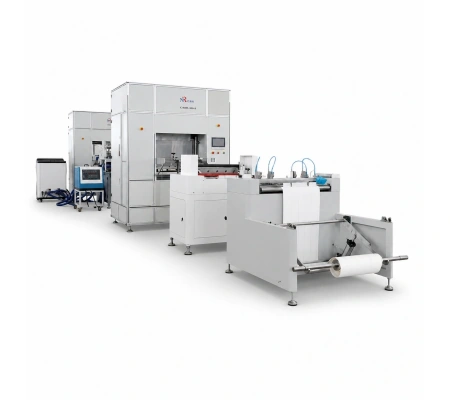
Pleating Height: 100–400 mm
Pleating Speed: 0–200 pleats/min
Max. Media Width: 700 mm
Max. Product Width: ≤650 mm
Production Capability: 25 m/min
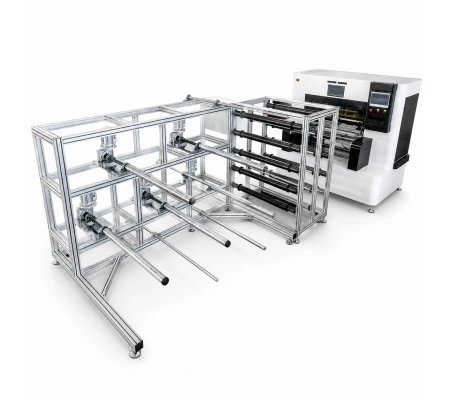
Working Width Range: 700–3000 mm
Pleating Height Range: 4–150 mm
Pleating Speed: Up to 400 pleats/min
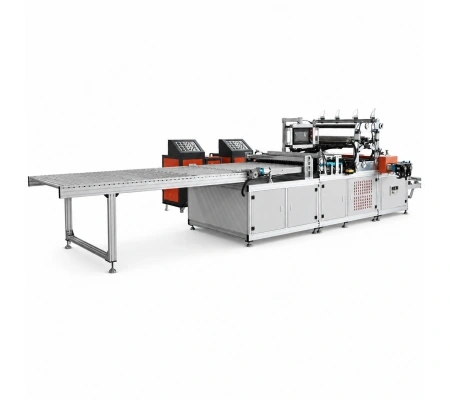
Max. Media Pleating Width: 1300 mm
Pleat Depth Range: 25–300 mm
Maximum Pleating Speed: 8–10 m/min
Hot Melt Nozzle Pitch: 25.4 mm
Online Slitting Cutters: 5 pcs
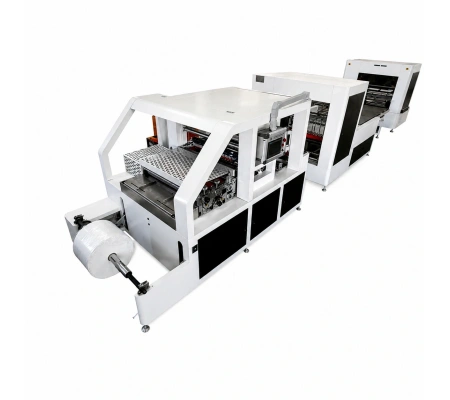
Max. Media Pleating Width: 700 mm
Pleat Depth Range: 16–100 mm
Maximum Pleating Speed: 8–10 m/min
Hot Melt Nozzle Pitch: 25.4 mm
Online Slitting Cutters: 5 pcs

Quick response within 24 hours

Expert advice tailored to your needs

End-to-end support for your success