
News

Questions Covered in This Guide
A cabin air filter cleans air entering a vehicle interior through the HVAC system and is usually made with pleated media, carbon layers, or synthetic materials.
A cabin air filter is installed inside the vehicle ventilation or air-conditioning system. Its main role is to filter outside air before the air reaches the passenger compartment. Unlike an engine air filter, which protects the engine intake system, a cabin air filter focuses on the air inside the vehicle cabin.
Most cabin filters are made as flat or slightly shaped filter packs. The media is usually pleated to increase filtration area within a limited installation space. Because the filter must fit inside a fixed cabin filter housing, size accuracy, stable pleats, clean edges, and proper bonding are important in production.
In a vehicle HVAC system, the cabin air filter works as a barrier between outside air and the interior air path. It helps capture airborne particles before the air enters the cabin.
Particle Filtration
Cabin filters can capture dust, pollen, fibers, road dust, and other airborne particles depending on media type and filter design.
Airflow Support
The filter must allow enough air to pass through the HVAC system while still providing the required filtration performance.
Odor Reduction Option
Activated carbon cabin filters are used when odor control or gas adsorption is part of the filter design requirement.
The filter’s performance is not decided by media alone. Pleat structure, bonding stability, edge sealing, frame design, and installation fit can all affect how the filter works in the vehicle air path.
Cabin air filters commonly use non-woven media, synthetic fiber media, activated carbon media, electrostatic media, or multi-layer composite materials.
| Material Type | Common Role | Production Note |
|---|---|---|
| Non-Woven Media | Used for general particle filtration in many cabin filter designs. | Requires stable feeding, pleating, cutting, and edge processing. |
| Synthetic Fiber Media | Used where lightweight structure, flexibility, and stable filtration performance are required. | Pleat stability and media tension should be controlled during production. |
| Activated Carbon Layer | Added for odor control or gas adsorption requirements in carbon cabin filters. | Multi-layer feeding and bonding stability become more important. |
| Electrostatic Media | Used to support fine particle capture depending on filter design. | Media handling should avoid damage, uneven tension, and contamination. |
| Composite Media | Combines different layers for particle filtration, odor control, or structural support. | Layer alignment, pleat forming, and strip bonding need consistent control. |
Material choice depends on the filter’s intended function. A basic particulate cabin filter may use non-woven or synthetic media, while an activated carbon cabin filter usually includes an additional carbon layer.
Cabin air filter production usually includes media feeding, pleating, strip bonding, edge trimming, frame or edge forming, and final inspection. The exact process depends on media type, filter size, and product structure.
Cabin filters are usually produced in many different sizes because vehicle filter housings are not the same. This makes cutting accuracy, quick size adjustment, and stable forming important in cabin filter manufacturing.
Strip bonding in cabin filter production means adding support strips, adhesive lines, or bonded areas to keep the pleated media stable during handling, installation, and use.
Maintains Pleat Shape
Bonding helps reduce pleat collapse, uneven spacing, and deformation after cutting or handling.
Supports Installation Fit
A stable filter pack is easier to install into the cabin filter housing without bending or twisting.
Improves Handling Stability
Bonded strips help the filter keep its structure during transfer, packaging, and assembly.
Strip bonding is especially important for flexible media, activated carbon layers, and cabin filters with large surface area but thin overall structure.
Edge trimming is important because the cabin filter must fit tightly inside the vehicle filter housing. Poor trimming can cause size errors, rough edges, loose media, or gaps around the filter.
| Edge Trimming Factor | Why It Matters |
|---|---|
| Size Accuracy | Accurate trimming helps the filter match the required length, width, and shape. |
| Clean Edge Quality | Clean edges reduce loose fibers, rough cuts, and uneven filter appearance. |
| Housing Fit | The filter needs to sit properly inside the cabin filter housing without gaps or deformation. |
| Sealing Support | Better edge control supports later bonding, sealing, or frame assembly steps. |
A good cabin air filter should have stable dimensions, even pleats, clean edges, reliable bonding, suitable airflow resistance, and a structure that matches the filter housing.
Cabin Filter Production Checkpoints
In production planning, cabin filter quality is closely related to equipment stability. Pleating, cutting, bonding, and edge forming must work together to produce a filter pack that is consistent and easy to install.
No. A cabin air filter cleans air entering the vehicle interior, while an engine air filter protects the engine intake system.
Pleating increases the available filtration area within a compact filter size, which helps balance particle capture and airflow.
An activated carbon cabin filter includes a carbon layer or carbon media design for odor control or gas adsorption requirements, depending on the filter structure.
Cabin filters must fit inside fixed vehicle filter housings. If the size is inaccurate, the filter may deform, leave gaps, or become difficult to install.
Cabin air filter production may use media feeding systems, pleating machines, strip bonding equipment, trimming units, edge forming equipment, and inspection systems depending on the filter design.
If there are still questions about cabin air filter materials, pleating, strip bonding, edge trimming, or cabin filter production requirements, MOER Machinery can provide further technical explanation based on specific filter products and production conditions.
MOER Machinery focuses on filter making machine solutions for cabin filters, air filters, pocket filters, mini pleat filter media, HEPA filters, PU air filters, truck air filters, hydraulic filters, high flow filter cartridges, and other industrial filter products.
Contact Us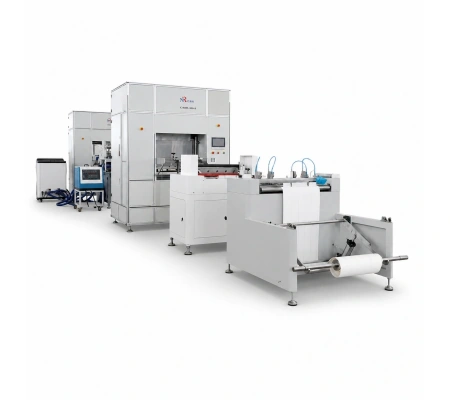
Pleating Height: 100–400 mm
Pleating Speed: 0–200 pleats/min
Max. Media Width: 700 mm
Max. Product Width: ≤650 mm
Production Capability: 25 m/min
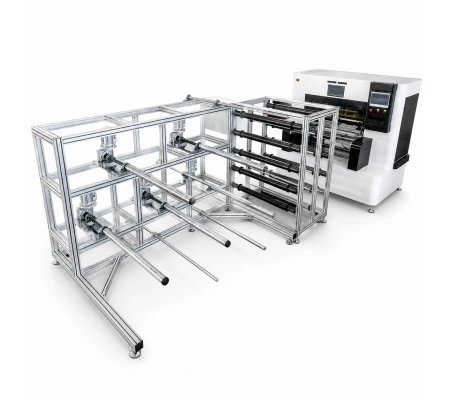
Working Width Range: 700–3000 mm
Pleating Height Range: 4–150 mm
Pleating Speed: Up to 400 pleats/min
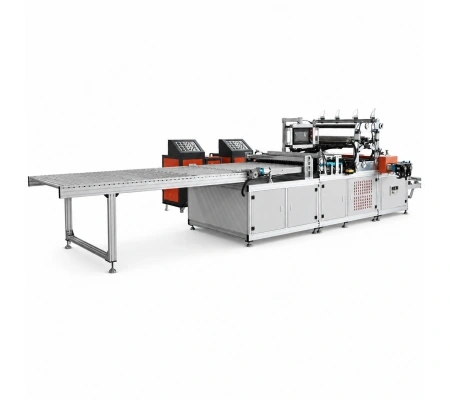
Max. Media Pleating Width: 1300 mm
Pleat Depth Range: 25–300 mm
Maximum Pleating Speed: 8–10 m/min
Hot Melt Nozzle Pitch: 25.4 mm
Online Slitting Cutters: 5 pcs
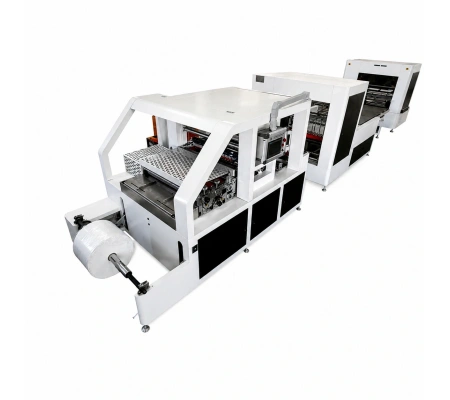
Max. Media Pleating Width: 700 mm
Pleat Depth Range: 16–100 mm
Maximum Pleating Speed: 8–10 m/min
Hot Melt Nozzle Pitch: 25.4 mm
Online Slitting Cutters: 5 pcs

Quick response within 24 hours

Expert advice tailored to your needs

End-to-end support for your success